Why Choose Us
- Quality:Customers want to ensure that they receive excellent quality products or services that meet their expectations and needs.
- Reputation:The reputation of a company or brand is essential when it comes to making a decision. Customers tend to choose a company that is well-regarded in the industry.
- Customer service:A company with a good reputation for customer service can be a deciding factor for consumers, making them feel valued and satisfied with their experience.
- Experience:An established and experienced company has a greater understanding of their products or services, allowing them to provide better quality and support to their customers.
- Convenience:Consumers appreciate convenience, they want products or services that make their life easier, faster, and more efficient.
- Safety and security:Customers want to feel secure when using a product or service, it is critical to provide safety and security policies and measures.
All Kinds of Products You Can Make With Tablet Presses
Pharmaceutical Tablets
Pharmaceutical tablets are a common form of solid oral medicine. People also call them pills. Typical pharmaceutical tablets include antibiotic tablets and anti-allergy tablets. Every pharmaceutical tablet consists of two core parts: active medicinal ingredients and auxiliary materials. Auxiliary materials keep active medicinal ingredients stable. For example, workers add stearic acid as a lubricant to medicinal powder. Without stearic acid, dry powder cannot be pressed into intact solid tablets.
- Nutritional Supplement Tablets
You can also use tablet presses to produce nutritional supplement tablets. These edible health products help improve people’s physical conditions.
Tablet presses produce cosmetic tablets for daily skin care. For example, vitamin C tablets brighten skin tone, and collagen tablets improve hair quality and reduce skin wrinkles.
Many industrial fields need tablet-shaped products. Agricultural fertilizer tablets contain nitrogen and phosphorus to nourish crops. Detergent tablets contain enzymes, bleaching agents and surfactants. They clean clothes far more effectively than ordinary laundry supplies.
Full Classification of Tablet Making Machines
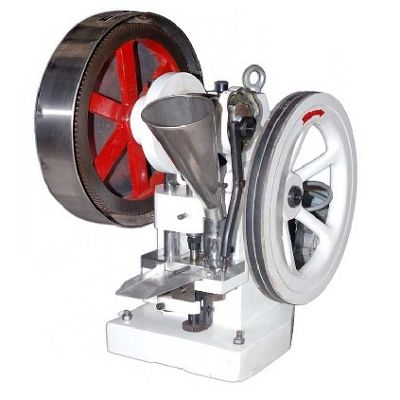
- Single-Station Tablet Press (Single-Punch Tablet Press)
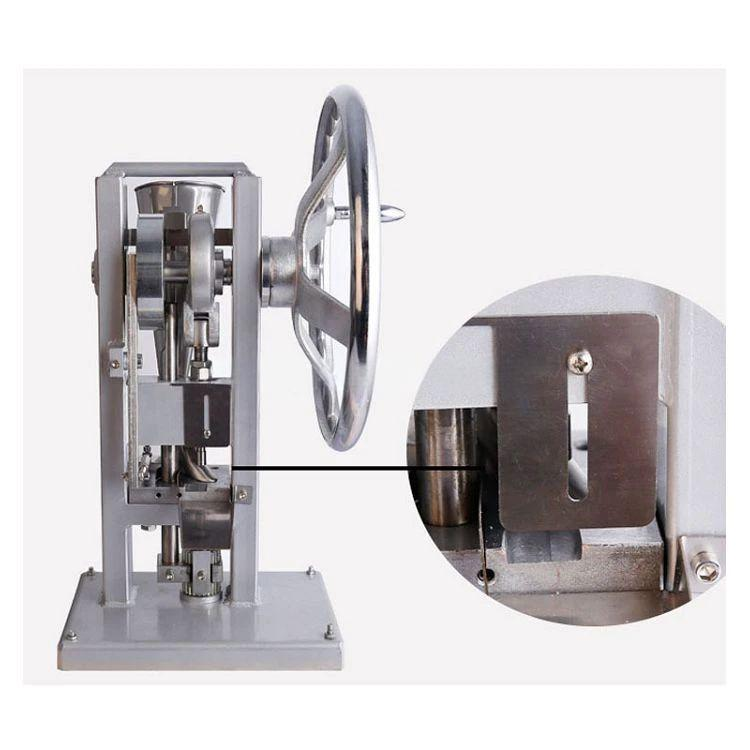
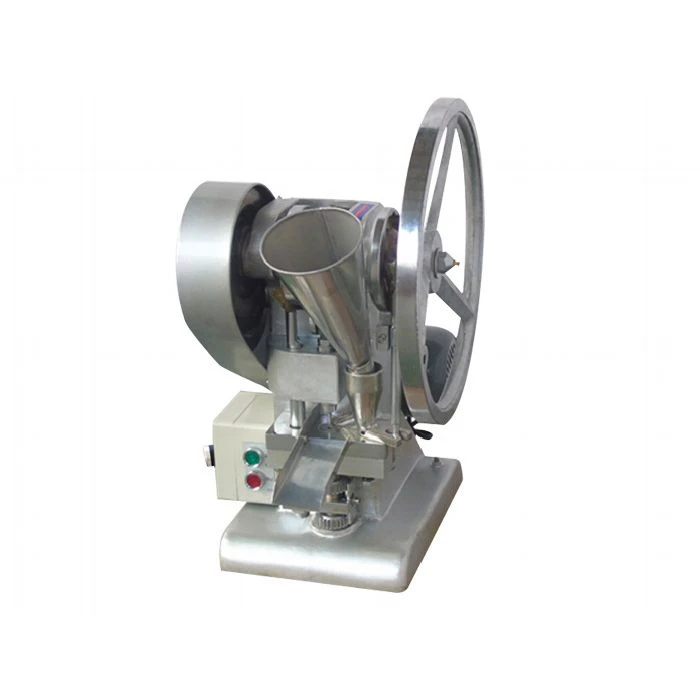
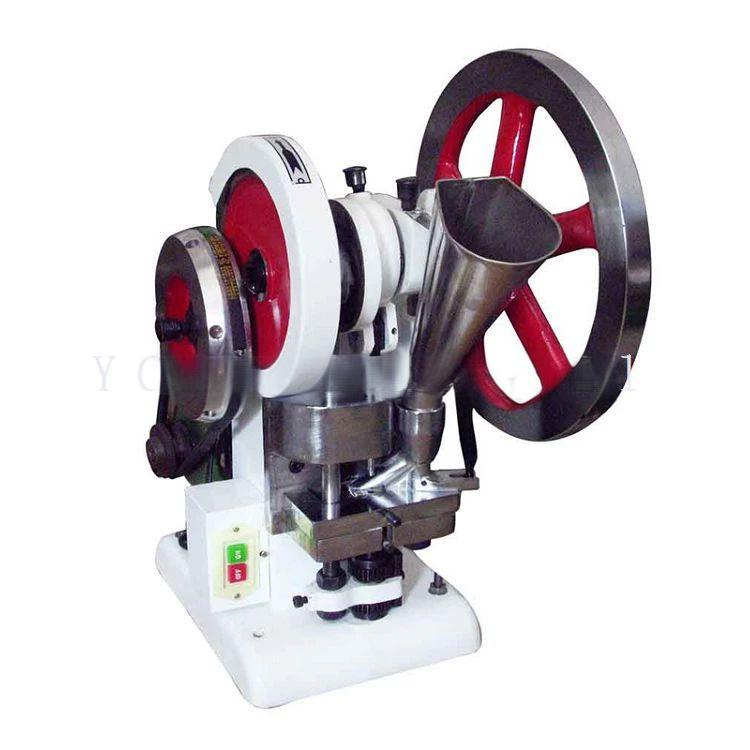
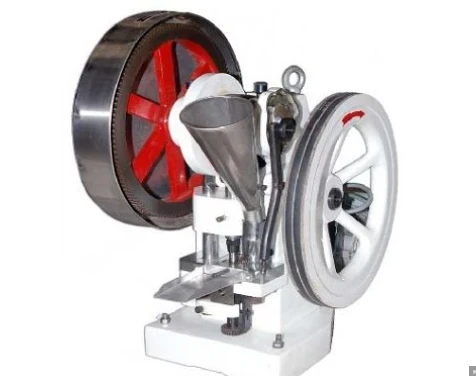
This is the simplest and oldest type of tablet press. It only produces one tablet in each working cycle. Factories mainly use it for small-batch production, new drug research and small pharmacy processing work.
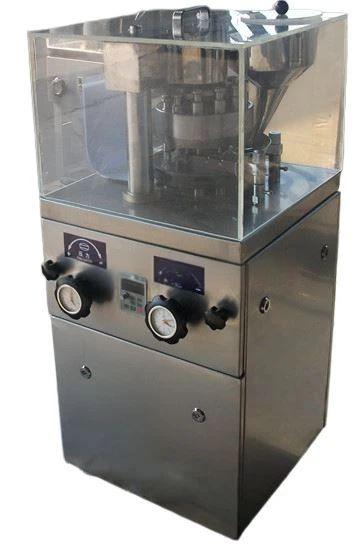
Pharmaceutical factories widely use rotary tablet presses for large-scale mass production. A rotating turret carries multiple independent working stations, so the machine can press many tablets at the same time. Rotary tablet presses run faster and have higher working efficiency than single-station tablet presses.
Engineers design high-speed tablet presses for ultra-fast, high-volume tablet production. These machines carry many advanced functions: faster turret rotation speed, stronger compression force and smarter automatic control systems. They can produce a large number of tablets every single minute.
This is a special-purpose machine made to produce multi-layer tablets. Different layers of one tablet hold different active medicinal ingredients or raw material mixtures. Multi-layer tablet presses are equipped with separate powder feeders and independent compression systems. They accurately control the thickness and content of each layer during the whole pressing process.
- Double-Layer and Triple-Layer Tablet Press
Manufacturers build these machines specially for two-layer or three-layer compound tablets. Multiple independent powder feeding systems and separated compression zones create clear, distinct layers on every finished tablet. Factories often use double-layer and triple-layer tablets for slow-release medicines and compound multi-ingredient pills.
- Specialized Tablet Presses
Apart from the above standard machines, we produce customized specialized tablet presses for unique production demands. These machines can produce chewable tablets, effervescent tablets, sublingual tablets and other special medicinal dosage forms. We adjust and upgrade the internal structures of these machines to match the special physical characteristics of different medicinal powder formulas.
Core Components of the Tablet Making Machine
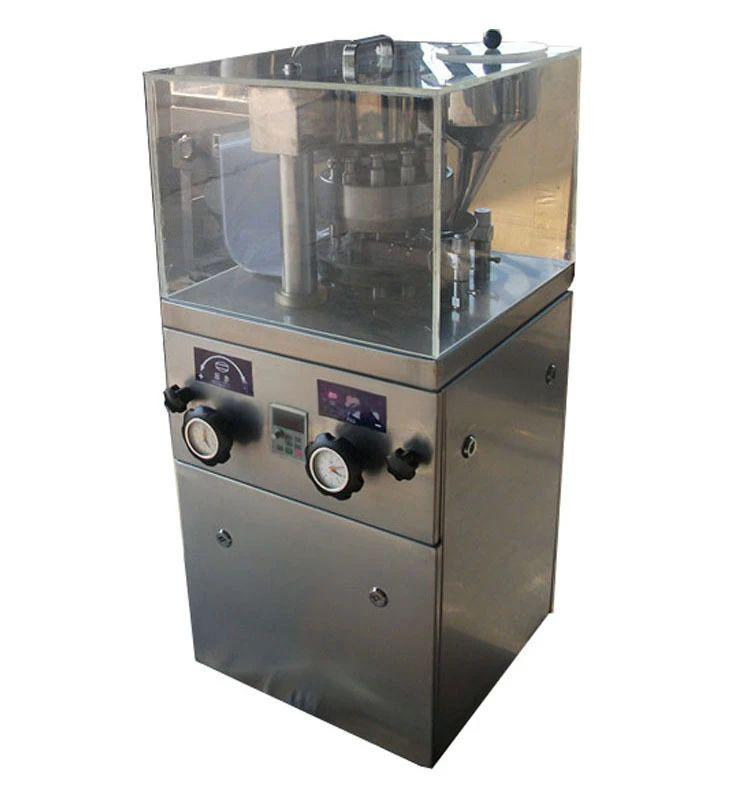
The main machine frame supports all internal parts and keeps the whole machine stable during operation. Manufacturers build frames with premium stainless steel or other high-strength metal materials. These materials reduce strong vibration during tablet pressing and greatly extend the machine’s total service life.
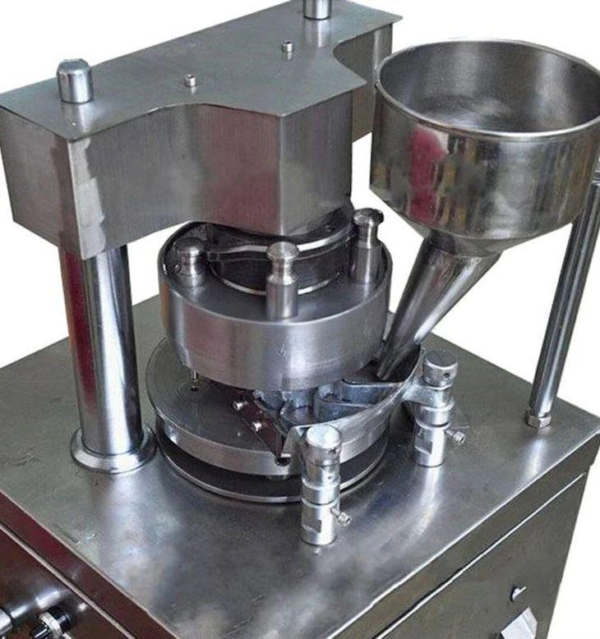
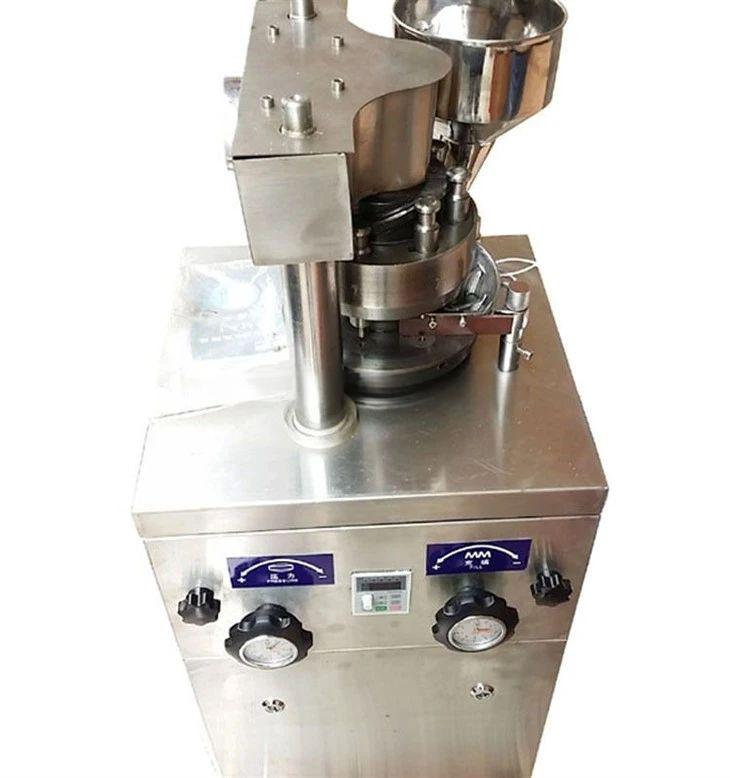
Workers pour all powdered raw materials into the hopper. The hopper steadily sends powder to the feeding system, maintaining a continuous, stable powder supply to the compression working area.
The feeding system controls the exact amount of powder entering the compression area. It makes powder flow evenly and smoothly. It prevents molds from receiving excessive powder or insufficient powder, so every finished tablet has the exact same weight.
Dies and punches squeeze loose powder into intact solid tablets. Punches move downward to form the tablet’s shape, while dies decide the exact size and outer outline of each tablet. These parts bear huge compression force every day, so manufacturers produce them with hardened wear-resistant steel.
The compression system generates the pushing force required to form solid tablets. It contains vertically movable upper punches and lower punches. These two groups of parts tightly squeeze the powder stored inside dies. Operators can freely adjust the compression force to produce softer or harder tablets, fully matching different production requirements.
Operators use the control panel to monitor and adjust multiple machine settings. They can easily change production speed, tablet thickness and compression force. The panel has a simple, clear touch screen interface. It helps operators run the machine smoothly and quickly solve minor running faults.
Standard Cleaning Steps for Tablet Presses
Wipe off all visible dirt and leftover powder on the machine’s outer shell. Use a vacuum cleaner to suck up all residual powder inside gaps. Do not use compressed air to blow away extra powder. Strong air will push powder deep into hidden machine gaps and tiny internal spaces. Accumulated leftover powder will cause machine breakdowns later.
Carefully check all machine parts to confirm their working conditions. Look for worn or cracked punches and punch heads. Mark all damaged parts that need repair or replacement.
Take out all detachable machine parts to carry out full deep cleaning. Workers usually remove mold tools, punch heads, feeding frames, safety guards and metal baffle plates to clean them separately.
Use hard nylon punch guide brushes and die seat cleaning tools. These small specialized tools can reach hidden machine corners filled with leftover powder and dirt. Do not pull or push machine parts with excessive force. Tablet press parts are precision-made and easy to crack if workers handle them roughly.
Choose matching cleaning liquid according to the types of dirt stuck on your machine. Common dirt types include oil stains, gel residues, starch leftovers and enzyme deposits. You also need to check the metal material of your machine’s surface. Make sure your chosen cleaning liquid will not corrode or damage the machine shell.
High-quality cleaning liquid is only half of the cleaning work. You need to set clear, fixed cleaning rules by considering all key influencing factors: A. The correct dosage of cleaning liquid B. Suitable water temperature for cleaning C. The proper soaking time of cleaning liquid on machine parts D. Standard cleaning operation methods E. Cleanliness standard of washing water
Thoroughly wash every cleaned machine part after applying cleaning liquid. Complete washing removes all leftover cleaning liquid on every surface. For strict pharmaceutical clean production standards, use deionized water or distilled water for final rinsing. Ordinary tap water carries tiny impurities that will form new dirt on fully cleaned parts.
- Carry Out Cleanliness Verification Tests
Run cleanliness verification tests after finishing all cleaning work. These tests check whether dirt residues or leftover cleaning liquid remain on machine surfaces. This step avoids cross-contamination between different batches of raw materials. For high-standard pharmaceutical production lines, use standard quantitative verification methods provided by machine manufacturers to confirm complete cleanliness.
If your production line follows strict hygiene and sanitation rules, carry out full disinfection work after you completely remove all dirt from machine parts.
- Fully Dry All Cleaned Machine Parts
Leave all cleaned parts to air-dry completely before reinstalling them onto the machine. Complete drying prevents metal parts from rusting, corroding or changing color after assembly.
How to Choose the Most Suitable Tablet Press for Your Pharmaceutical Production
1.Confirm Your Exact Production Requirements
Calculating your required daily tablet output is the first step to select a tablet press. If you need to produce massive numbers of tablets every day, choose a high-speed rotary tablet press. If you only produce small test batches or conduct new drug experiments in laboratories, a single-punch tablet press will fit your needs better.
Different tablet press models produce tablets of different sizes and shapes. Make sure the machine you plan to buy can produce the exact size and shape of tablets you intend to manufacture.
Carefully consider the physical characteristics of the powder you will press into tablets. Some powder formulas need much stronger compression force or special feeding structures. These special settings ensure all finished tablets maintain uniform, stable quality.
2.Learn the Advantages of Different Tablet Press Types
- Single-Punch Tablet Press (Eccentric Press)
Single-punch tablet presses are perfect for small-batch production and laboratory research projects. They are compact in size, simple to operate and ideal for producing small test batches of new tablets.
Engineers design rotary tablet presses for large-scale mass production. Multiple continuous working stations allow the machine to produce tablets non-stop. They operate with extremely high efficiency and fit factories with huge daily production demands.
- Double Rotary Tablet Press
Double rotary tablet presses have even larger maximum production capacity. They produce tablets with stable, consistent quality every working day. They work best for large pharmaceutical factories with enormous daily tablet production tasks.
3. Inspect Key Functional Features Before Purchasing
Modern tablet presses are equipped with smart automatic control systems. Choose machines with PLC program controllers, touch screen operation interfaces and real-time running data monitoring functions. These advanced functions simplify operation steps and raise overall production efficiency.
Make sure your chosen machine can generate enough compression force to match your unique powder formula. Some raw material mixtures need strong compression to reach the target tablet hardness and stable finished quality.
A highly versatile tablet press can process many different tablet sizes, shapes and powder formulas. This flexibility becomes extremely important if you plan to manufacture many different tablet products in one workshop.
Choose tablet presses that are simple to maintain and clean daily. Practical user-friendly designs include fully detachable parts, all-stainless steel machine frames and convenient structures for cleaning. These features greatly reduce machine downtime during maintenance work and improve your total production efficiency.
4.Check Machine Build Quality and Industrial Compliance Standards
All tablet presses used for pharmaceutical production must strictly follow GMP (Good Manufacturing Practice) industrial standards. Following these strict rules keeps your tablet products high-quality and helps you pass all official industry inspection requirements smoothly.
The overall build quality of a machine directly decides its service life and stable running performance. Choose machines constructed with premium stainless steel and other anti-rust, wear-resistant metal materials.
5.Select Reliable Equipment Suppliers and Manufacturers
Purchase your machine from suppliers and manufacturers with high industry praise and many years of professional pharmaceutical equipment production experience. Well-established factories manufacture stable, reliable machines and provide comprehensive professional technical support for all customers.
Perfect after-sales service guarantees your tablet press can run smoothly for many years. Confirm your supplier offers full long-term support services: regular maintenance service, complete spare parts stock, remote online technical guidance and on-site engineer support when you encounter complex faults.
Read real customer reviews and feedback from other pharmaceutical factories. These genuine user opinions help you judge the machine’s running stability and the supplier’s overall service quality. Positive comments from other industry buyers act as valuable reference points for your final purchase decision.
6.Calculate All Related Long-Term Production Costs
Make a clear budget and calculate the full upfront purchase cost of the tablet press you want. High-quality industrial machines cost more at the time of purchase, but they run far more stably, break down much less often and serve you for a far longer time in the future.
Calculate all long-term daily running costs: electricity consumption, regular maintenance fees and labor wages for machine operators. High-end fully automatic tablet presses cost more to buy at first, but they greatly cut daily labor costs and maintenance expenses, saving you a large amount of money over long-term use.
Calculate the machine’s potential return on investment. Take three key factors into consideration: its daily maximum production capacity, the degree of improvement in finished tablet quality and the total money it saves you on raw material waste. Some machines carry a higher initial purchase price, but they greatly raise your daily output and cut raw material loss. These long-term economic savings make the higher upfront cost completely worthwhile.
Working Principle of the Tablet Making Machine
- Pour Fully Prepared Raw Powder Into the Hopper
Mix all raw materials into the correct uniform formula first, then pour the well-mixed powder into the machine’s hopper. Remember, the structural design of the hopper must meet strict hygiene and safe production standards.
- Fill Powder Into the Mold and Punch Assembly
Powder flows down from the hopper into the single-station mold and punch set. A cam mechanical structure lifts the upper punch upward. This movement creates empty space inside the mold cavity, and loose powder naturally flows into the empty cavity. Next, the lower punch slowly moves upward. It precisely controls the exact volume of powder stored inside every mold cavity. This step guarantees every mold cavity holds the identical amount of powder for the next compression step. It also acts as a core quality control link for all finished tablets.
- Compress Loose Powder Into Solid Complete Tablets
The mold and punch assembly starts the compression cycle. The upper punch pushes downward with a stable pre-set force. It tightly squeezes all loose powder stored inside the mold cavity. This strong uniform compression turns fluffy loose powder into solid, intact tablets or pills.
- Eject Finished Solid Tablets Out of the Mold
After the compression process finishes, the upper punch moves back up to its original resting position. At the same time, the whole lower punch assembly moves fully upward. It completely pushes the compressed solid tablet out of the mold cavity. This completes one full tablet pressing working cycle. You can then send the finished tablets to follow-up production processes, such as sugar coating or automatic tablet packaging.
As you can see, single-punch tablet presses operate at a relatively slow speed. Workers need to manually assist most production steps. Long hours of continuous operation will easily make workers tired.
Standard Safety Operation Rules for Tablet Making Machines
All workers working near the tablet press must wear safety goggles. The goggles block flying powder particles and tiny broken machine fragments to protect workers’ eyes from injury.
Check the thickness and physical properties of all powdered raw materials before you turn on the machine. Make sure the powder fully fits this tablet press’s processing range. This pre-inspection step prevents unexpected machine faults and safety accidents caused by unsuitable raw materials.
Do not turn on or run the tablet press if it has any mechanical faults or abnormal running noises. Report all suspected mechanical damage to factory management staff immediately for professional repair.
Carry out comprehensive full inspections of the tablet press on a fixed schedule. Check for leaking oil pipes and sealing components, cracks on the machine shell and excessive shaking during operation. Keep all moving machine parts completely clean. Clear all powder, dirt and leaking oil or liquid residue off these parts. Add lubricating oil to moving components according to a fixed schedule. Replace hydraulic oil regularly following the official machine maintenance guide.
Laboratory tablet presses generate strong clamping pressure and high heat during operation. Never place your fingers or hands close to the machine’s pressing plates while the machine is running. If the machine breaks down and you need to inspect or repair it, wear protective gloves and safety goggles. This protective gear shields your hands and eyes from high temperatures and flying broken machine fragments.
Build a full standardized safety training program for all new workers. Train new staff to strictly follow all machine safety operation steps. Every worker who operates the tablet press must fully understand all safety rules to avoid potential safety risks.
Clean up all clutter and obstacles around the tablet press before you start every production shift. Keep the whole working area fully clear of blocking objects. This prevents bumps, stuck machine components and other safety accidents during production.
Always follow the complete official safety operation manual when you run hydraulic tablet presses. Strictly abide by all weight load limits. Do not let the machine run beyond its maximum eccentric working range. Slide the machine’s moving sliding block down to its lowest resting position after you finish all production work every day.
To sum up, the Tablet Making Machine presses diverse powders into standard tablets. It has multiple models, simple operation and wide uses. With standardized cleaning, maintenance and safe operation, it meets lab and mass pharmaceutical production demands.


Reviews
There are no reviews yet.