Description
What Is a Capsule Filler Machine?
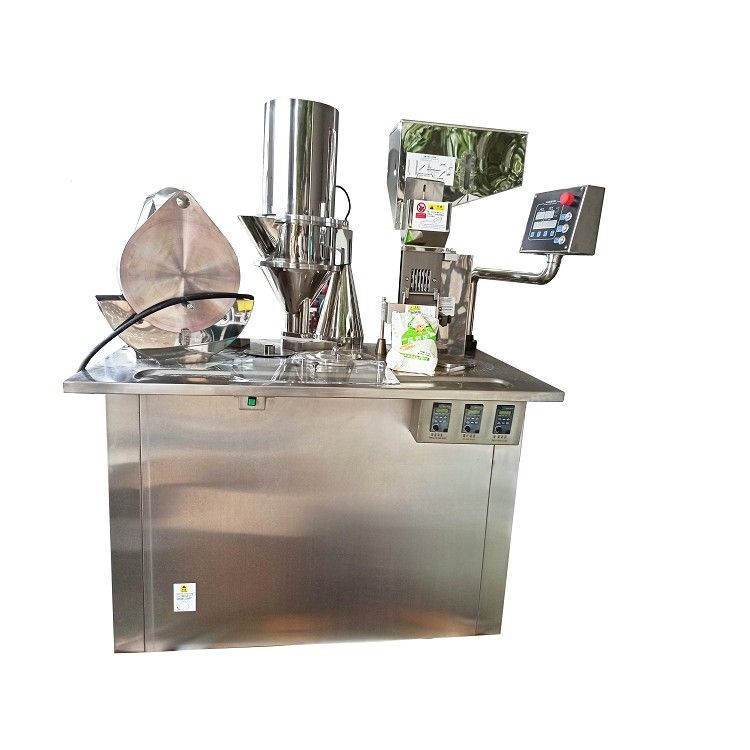
A capsule filling machine, or capsule filler for short, is equipment that fills empty capsules with pharmaceutical materials. We divide capsule filler machines into two main types based on usage and function: industrial professional capsule fillers and small personal capsule fillers.
Professional capsule filling machines work for mass production in the pharmaceutical industry with high efficiency. Most of them are automatic machines. They fill fixed amounts of medicine or raw materials into capsules accurately.
Personal capsule filling machines suit small-batch capsule production. Individuals or small businesses use them to fill required medicine into capsules as needed.
Advantages of Capsule Filler Machines
Proper dosage directly affects medicine effect and safety. So high filling accuracy is very important. Automatic encapsulation machines are more advanced than manual and semi-automatic equipment. They fill capsules accurately and steadily at high speed.
Manual capsule filling wastes lots of time. It takes hours to fill a target number of capsules. Semi-automatic machines produce more capsules than manual work, but manual operation limits their total output.
- Stable and Consistent Quality
Automatic encapsulation machines simplify production steps. They have user-friendly control interfaces. Most interfaces use PLC touch screens with clear instructions and real-time feedback. Operators can run the machine easily.
Automatic capsule fillers finish the whole production process automatically. Less manual work helps factories save production time.
Automatic encapsulation machines have great improvements in safety. Compared with manual and semi-automatic models, their closed structure reduces operators’ direct contact with filling materials.
Automatic capsule fillers serve many different industries. This flexible machine supports various capsule sizes, filling weights, material types and production speeds. Besides, it can process different amounts of materials. You only need to adjust the dosing system, and it will control the filling weight of each capsule precisely.
Automatic capsule filling machines are much easier to upgrade than manual and semi-automatic machines. They help businesses meet changing market needs and keep competitive in the industry.
Supporting Capsule Equipment Introduction
This machine meets GMP standards. It works well for research institutes, hospitals, newly-built small pharmaceutical factories and health product manufacturers.
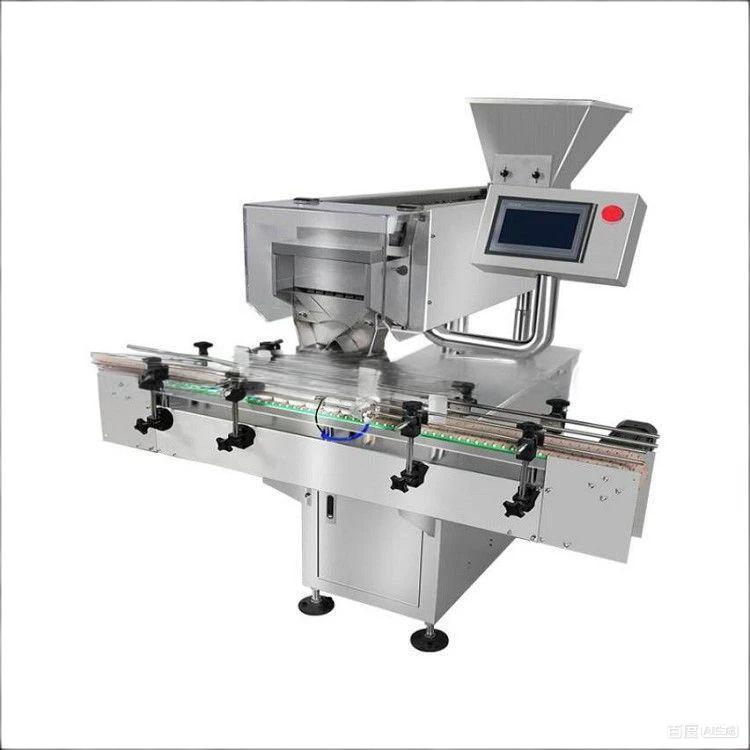
It fits the filling of many solid preparations for pharmaceutical and food industries. Bottle stoppers on the bottle transport track deliver bottles from upstream equipment.
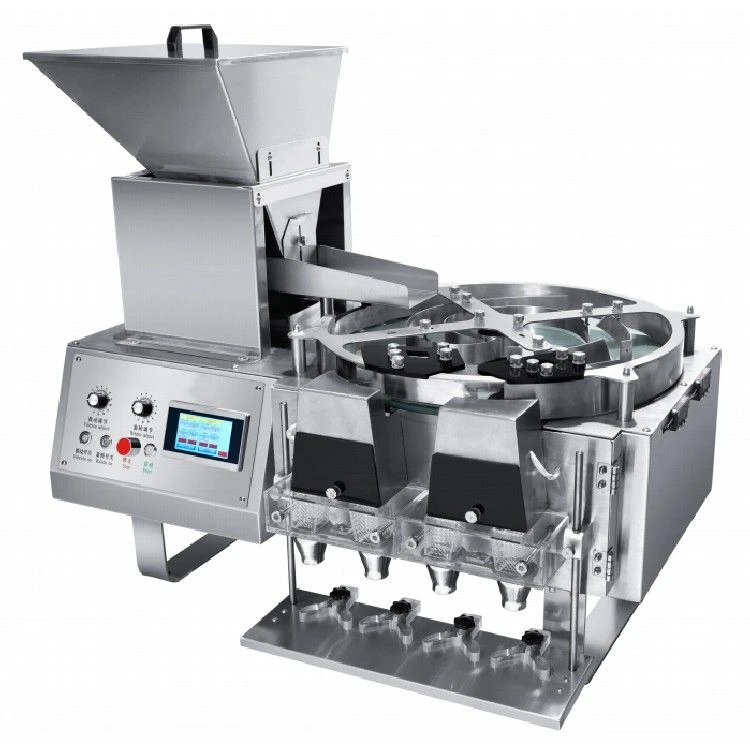
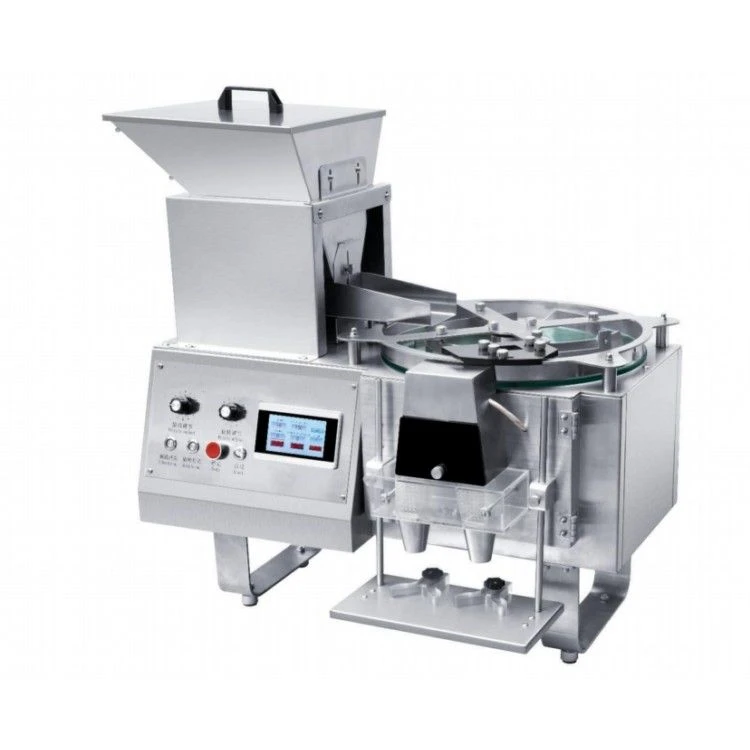
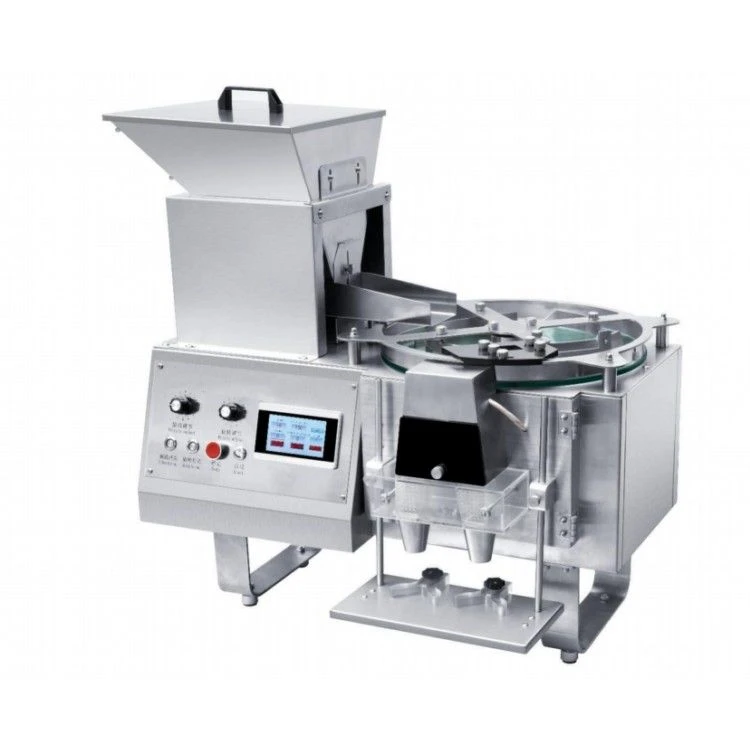
The machine uses high-dust-resistant computer counting technology. It counts tablets (including special-shaped tablets), hard capsules and soft capsules of all transparent shapes.
It completes capsule cap and body separation and powder filling. It suits medium and small batch production for medium and small pharmaceutical factories.
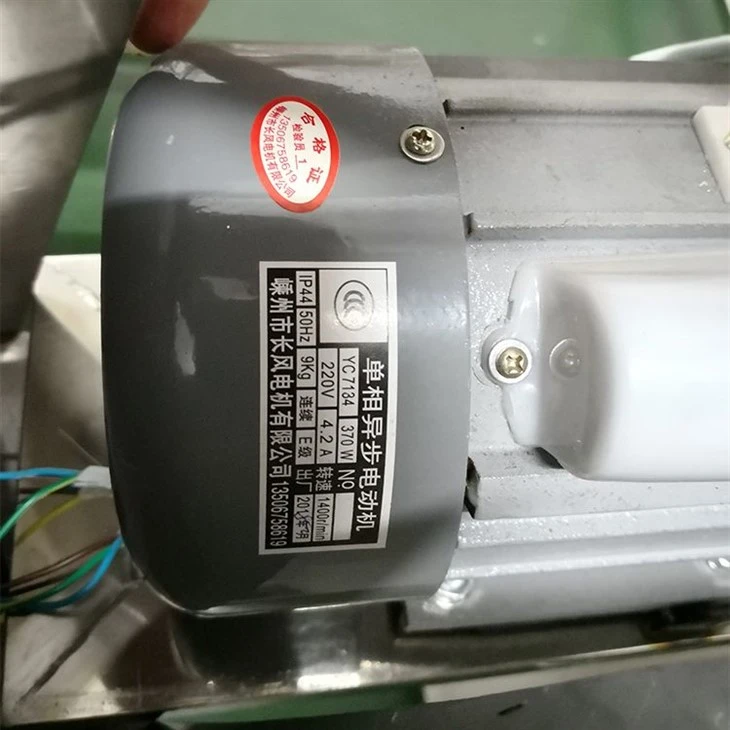
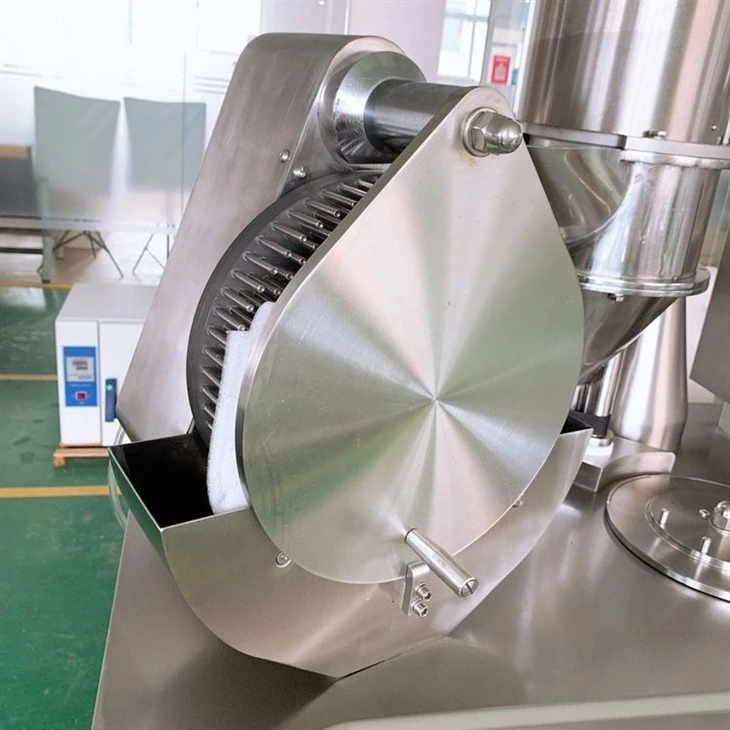
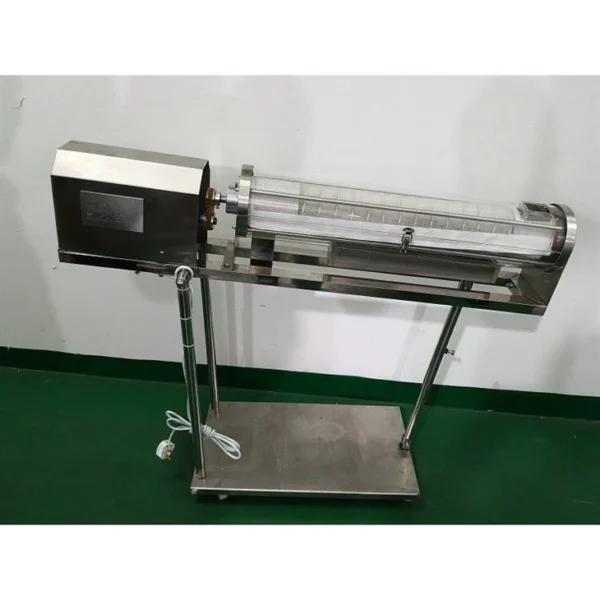
The KD-88 capsule polishing machine (medicine polisher) consists of a base, discharge port, frame, single-phase motor, polishing brushes and a stainless steel cover.
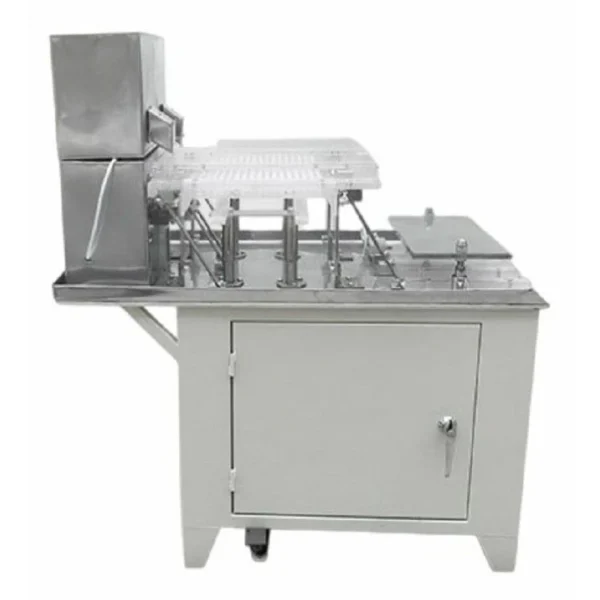
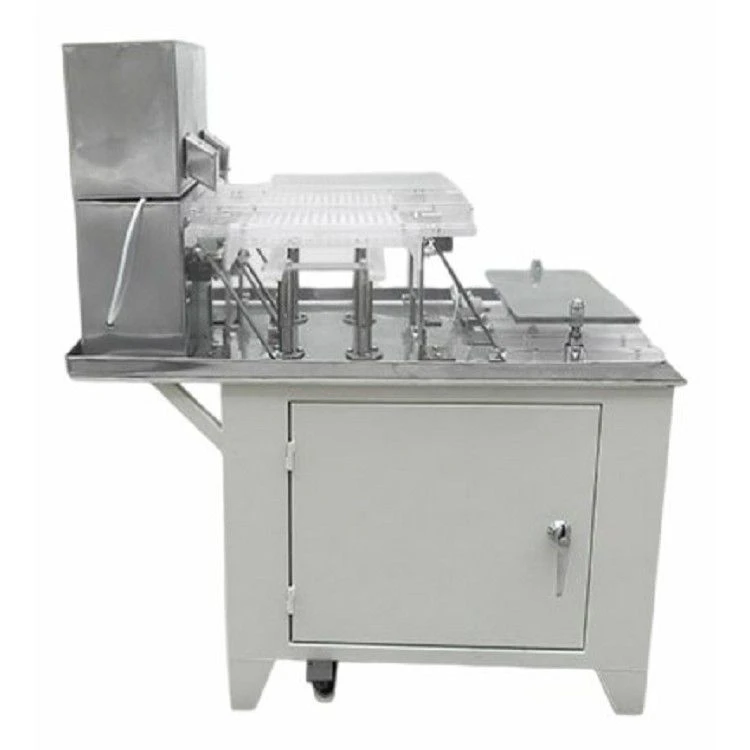
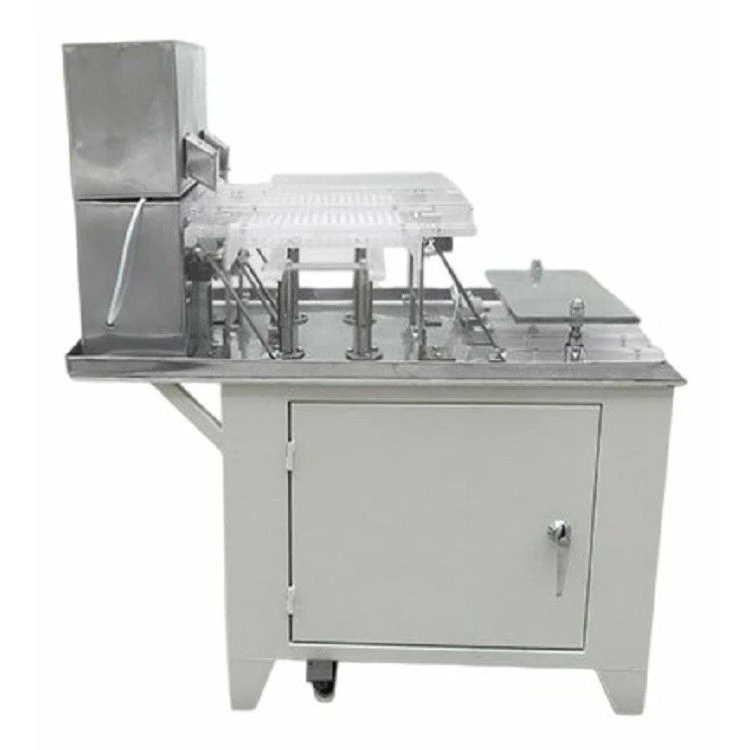
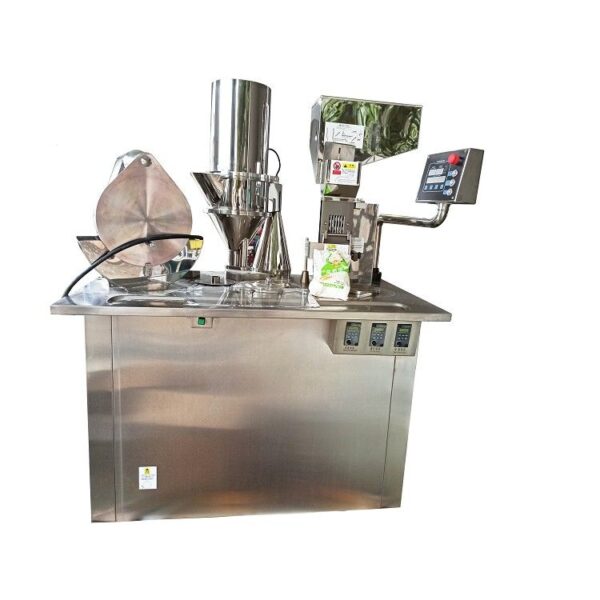
The DCX-4 semi-automatic capsule filling machine is new pharmaceutical packaging equipment. It works with all kinds of domestic and imported empty capsules.
Why Choose Us
- High Quality:Customers hope to receive high-quality products and services that satisfy their demands.
- Good Reputation:Company and brand reputation matters a lot during purchase decisions. Customers usually choose manufacturers with positive reviews in the industry.
- Thoughtful Customer Service:Brands with reliable customer service leave good impressions on buyers and make customers feel valued.
- Rich Experience:Well-established experienced companies understand their products deeply. They provide better goods and technical support.
- High Convenience:Buyers prefer products and services that make work simpler, faster and more efficient.
- Safe Guarantee:Customers care about safety while using equipment. Complete safety policies and protective measures are necessary.
Types of Capsule Filler Machines
Automatic capsule filling machines fill capsules automatically with dry powder materials. Factories use them for large-scale capsule production. These machines are highly durable.
- Semi-Automatic Capsule Filling Machine
As the name suggests, semi-automatic machines combine automatic movement and manual help. They have simple structures and are easy to operate. They keep production clean and hygienic.
Manual capsule machines are mainly used by small pharmaceutical workshops for low-volume production. They do not need electricity and work by hand.
Applications of Capsule Filler Machines
Capsules filled with powder are the most common solid dosage form. Fine dry powder forms after grinding solid materials. Powder filling is the most common use for capsule filling machines. Manual capsule fillers can also fill powder, but they cannot match automatic machines in efficiency and accuracy. Therefore, powder capsule fillers, hoppers and dosing systems have relatively simple structures.
Tablets are larger than many other filling materials. One capsule can only hold one or several tablets. The capsule size decides how many tablets we can put inside.
Like powder, granules are widely used solid materials in pharmaceutical production. Granules are bigger particles made by gathering fine powder. We call the process of turning powder into granules granulation.
Filling liquid into capsules includes two steps: liquid filling and capsule sealing. Automatic capsule fillers for liquid need special liquid filling stations. They usually use servo-controlled liquid pumps. These pumps accurately fill liquid from 100 mg to 1.5 grams. Moreover, the machine works with liquids of different viscosity levels.
Sometimes manufacturers need to fill mixtures, such as liquid and semi-solid materials, into capsules. Under this situation, you should order customized capsule filling machines from trustworthy suppliers. They build tailor-made machines to satisfy special filling requirements.
The powder hopper stores filling materials. A side feeding hole lets workers add powder conveniently. It also has a spiral feeder. The spiral device keeps materials loose inside the hopper for stable and continuous feeding.
Similar to the powder hopper, this hopper holds empty capsules. It has an observation window so operators can check the remaining capsules inside. We can customize hopper capacity according to target output.
- Capsule Sorting Mechanism
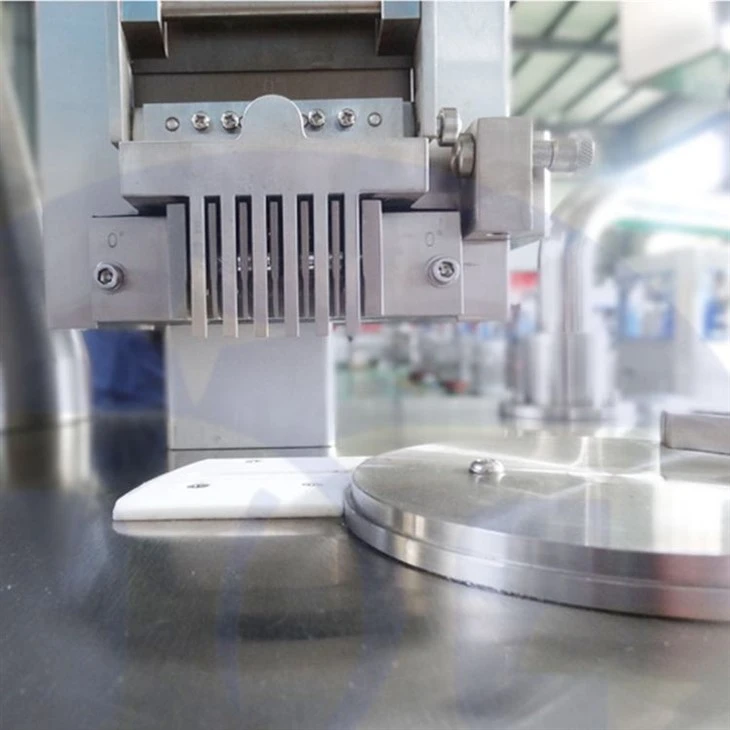
It includes a storage bin, sorting block and horizontal sorting fingers. Some machine models install safety guards on the sorting mechanism to stop operators from mechanical injuries.
This part positions empty capsules and lines them up with holes on the filling ring. Then it places every capsule into holes to prepare for separation and filling.
The filling ring is a key part of capsule filling machines. It has two discs. The discs hold empty capsules, capsule caps and capsule bodies during separation.
- Capsule Closing Mechanism
As its name shows, this part seals filled capsules. The pin ring acts as the core component. It is a disc equipped with customized ejector pins. After filling, workers combine two halves of the filling ring and place it above the pin ring. The pin ring pushes upward, closes filled capsules and pushes them out of the ring.
The rotary table sits in front of the powder hopper. It supports and turns the filling ring which holds empty capsule bodies.
Capsule filling includes automatic and manual steps, and the whole machine runs with a PLC system. It also carries an HMI touch screen. Operators adjust different parameters easily according to production needs.
Vacuum pumps remove air from closed spaces and create pressure differences. Workers use different vacuum pump technologies for different production tasks.
Capsule filling machines have many automatic functions and lots of electrical parts. The electrical cabinet protects these components from damage and stops electric shocks. It offers safe space for frequency converters and PLCs, and prevents unauthorized access.
- Machine Frame and Workbench
The workbench has extra powder collection troughs to keep the working area tidy. Swivel casters help people move this heavy machine freely inside workshops.
Complete Capsule Filling Process
First, separate capsule caps from capsule bodies with a capsule sorting machine. Make sure all capsules face the same direction for filling.
- Set Up the Filling Station
After preparing capsules, load them into the feeding system of the machine. Set parameters such as filling weight and running speed based on product requirements.
The machine sends exact amounts of powder or granules into each capsule body. Workers can finish this step manually, or machines complete it automatically with dosing tubes or tamping pins.
- Tamp and Compress Materials
After feeding powder, tamping pins press powder inside each capsule body. This makes filling even and removes air gaps.
Filled capsule bodies move forward. Mechanical structures or vacuum devices place capsule caps on top.
After covering capsules, vacuum equipment or brushes clear extra powder on capsule edges. Some machines have polishing stations to make finished capsules smooth.
- Eject and Collect Products
Sealed capsules pass quality checks. Then the machine pushes them out onto output conveyor belts. Workers collect capsules into containers for packaging.
Machine Maintenance & Troubleshooting Tips
- Clean the Machine Regularly
Clean the machine fully after each batch of production. Remove leftover materials to avoid polluting the next batch. Use cleaning agents suggested by manufacturers. Make sure all parts dry completely before reassembly.
Follow manufacturer instructions to lubricate moving components. Good lubrication reduces friction and part wear, and improves machine efficiency.
- Carry Out Regular Calibration
Check and calibrate the machine often. This guarantees precise dosing and stable capsule filling. Read the operation manual or ask professional technicians for help.
Check the machine frequently for damage, loose bolts or worn parts. Repair or replace broken components quickly to avoid production stops.
Give proper training to operators. Help them understand machine functions. They can solve simple faults and prevent serious breakdowns.
How to Choose a Suitable Capsule Filler Machine
Make sure the machine supports capsule sizes you use. Capsule sizes range from 000 (largest) to size 5 (smallest).
Stable and precise filling controls product quality and dosage. Choose machines with reliable dosing systems and weight control functions.
- Easy Operation & Maintenance
Think about how simple it is to run, clean and maintain the machine.
Look for safety designs such as emergency stop buttons and overload protection.
- Expandable Production Capacity
If you plan to increase output in the future, select machines that can be upgraded for higher production volume.
Reliable after-sales support keeps machines running smoothly. Choose suppliers who provide operation training, spare parts and technical support.
Research capsule filler manufacturers. Pick factories with a long record of making stable, high-quality machines.
Working Principle of Automatic Capsule Filling Machines
New empty capsules usually connect as one whole unit (capsule cap and body locked together). We need to sort capsules before filling. Workers pour mixed capsules onto the capsule feeding plate with circular inner channels. Spring pieces sit at the bottom of every channel.
During operation, the feeding plate moves up and down. Capsules fall into channels and stay on spring pieces. When the plate moves down, spring pieces release capsules, and capsules fall into the machine in order.
Capsules then slide to the front of horizontal forks. Special fork structures touch the thinner middle part of capsule bodies. Gravity difference turns capsules automatically: capsule bodies face forward and caps face backward. Vertical forks adjust directions again. Finally, capsules enter the next station with bodies pointing down. This finishes capsule sorting.
- Separate Capsule Caps and Bodies
The capsule tray moves to the separation station. Vacuum absorbers rise and fit tightly under the tray. Vacuum force pulls capsule caps away from bodies. Capsule caps stick to the upper tray, and capsule bodies stay on the lower tray. After separation, the upper and lower trays separate and move to different stations.
- Reject Defective Capsules
For different reasons, a small number of capsules cannot separate. Ejector pins sit near these capsules. If caps and bodies do not split, pins push whole capsules out of molds. Airflow blows these waste capsules into collection bags. Separated capsule bodies and caps travel to the next station.
Conveyor belts carry capsule bodies to filling stations. Factories use different filling methods: intermittent dosing filling, tamping filling, vacuum filling and metering cylinder filling.
At the locking station, upper and lower trays rotate at the same time. Holes on two trays align perfectly. The pin plate under trays and baffle plate above trays move together. They push capsule caps and bodies to lock tightly.
The product ejection structure works like the waste capsule rejection unit. Ejector pins push locked capsules out of trays. Compressed air blows finished capsules toward discharge outlets.
After finishing all filling steps, trays rotate back to the capsule sorting station. Waste capsules and powder residue may stay inside trays. Workers must clean trays before restarting production. Compressed air blows away leftover powder and waste capsules into the dust collector at the bottom.
These are all steps of the automatic capsule filling machine. Every process runs quickly at the same time. Automatic machines fill 13,000 to 460,000 capsules every hour. They become the best choice for large-scale capsule manufacturing.


Reviews
There are no reviews yet.