1. Core Industry Overview
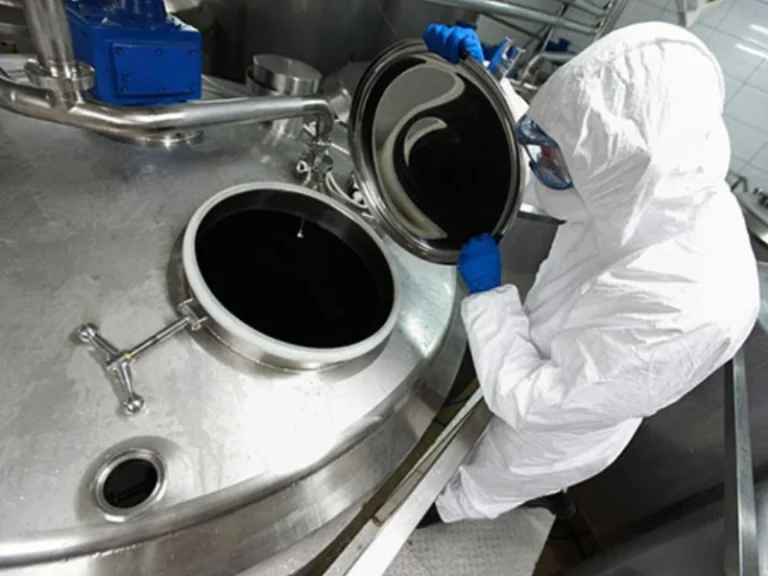
The scale of the medical equipment and pharmaceutical industry is a core factor that determines enterprises’ market expansion capability, development rhythm, and capital operation efficiency. Industrial production maintains high-load operation under stringent regulatory supervision, and every equipment selection directly affects production output, regulatory compliance, and project progress.

The engineering team of JZC clarified key industrial requirements in the 2025 industry brief, emphasizing that modern pharmaceutical production systems must possess complete verification qualifications and stable long-term operational uptime.
1.1 Key Industrial Scale Data
- Solid dosage products dominate the global pharmaceutical market, contributing to 72% of total global pharmaceutical revenue, which is supported by high-throughput tablet presses, granulators, and coating equipment.
- Over 60% of medical technology manufacturing facilities adopt ISO-standard HVAC systems and environmental monitoring devices to meet cleanroom compliance requirements and achieve precise contamination control.
- A total of 85% of industrial suppliers provide water for injection (WFI) and purified water systems that comply with FDA standards, ensuring verified production processes and continuous and stable manufacturing output.
2. Driving Factors of Industrial Scale Expansion
2.1 Solid Dosage Manufacturing as the Industrial Backbone
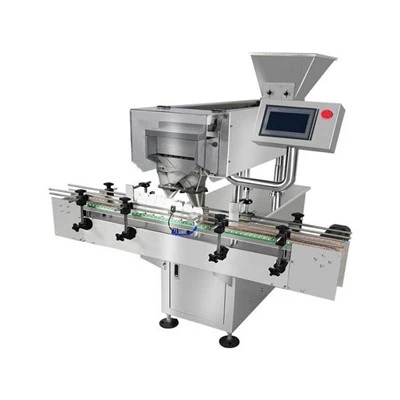
The massive scale of the global medical equipment and pharmaceutical industry is fundamentally underpinned by solid dosage manufacturing. Pharmaceutical products in the form of tablets and capsules feature high production scalability, low unit production costs, and long shelf life, which effectively stabilize global pharmaceutical supply chains and continuously expand market revenue.
Efficient production equipment including high-precision presses and coating machines improves manufacturing throughput, while standardized production processes accelerate regulatory approval progress. The scale effect formed by large-volume production further realizes the global accessibility of pharmaceutical products, forming a closed loop of efficiency improvement, profit margin growth, and market expansion.
2.2 ISO Cleanroom Compliance Optimizes Industrial Foundation
Clean and sterile production environments are the basic prerequisites for the standardized development of the medical equipment and pharmaceutical industry. More than 60% of global medical technology plants have fully implemented ISO cleanroom design standards, equipped with high-precision HVAC air control systems and 24-hour continuous environmental monitoring sensors.
Standardized cleanroom construction effectively reduces product defect rates caused by environmental contamination, improves the credibility and compliance of manufacturing plants, and lays a solid foundation for the large-scale and standardized operation of the industry.
2.3 FDA-Compliant Water Systems Ensure Production Reliability
Industrial utility systems represented by WFI and purified water systems are the core guarantee for pharmaceutical production quality and batch consistency. Up to 85% of upstream suppliers have passed FDA regulatory certification for water systems, realizing whole-process quality monitoring of pharmaceutical water and ensuring the stability of pharmaceutical formulation and sterile injection production processes.
2.3.1 Academic Citation
ISPE. (2025). Water system validation remains one of the most inspected compliance areas due to its direct impact on drug safety and batch consistency.
3. Core Production Equipment and Process System
3.1 Classification of Pharmaceutical Manufacturing Equipment
The operational scale of the medical equipment and pharmaceutical industry is supported by a complete set of professional production equipment, which is mainly divided into solid dosage production lines and sterile production lines.
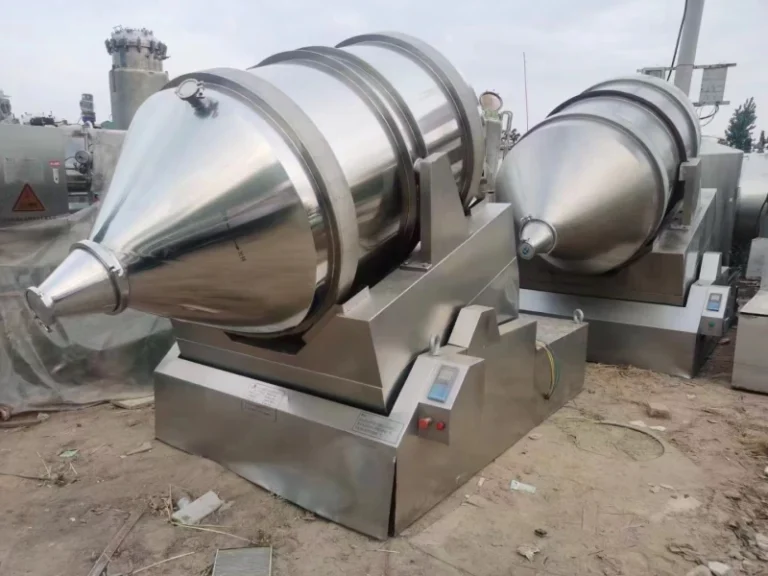
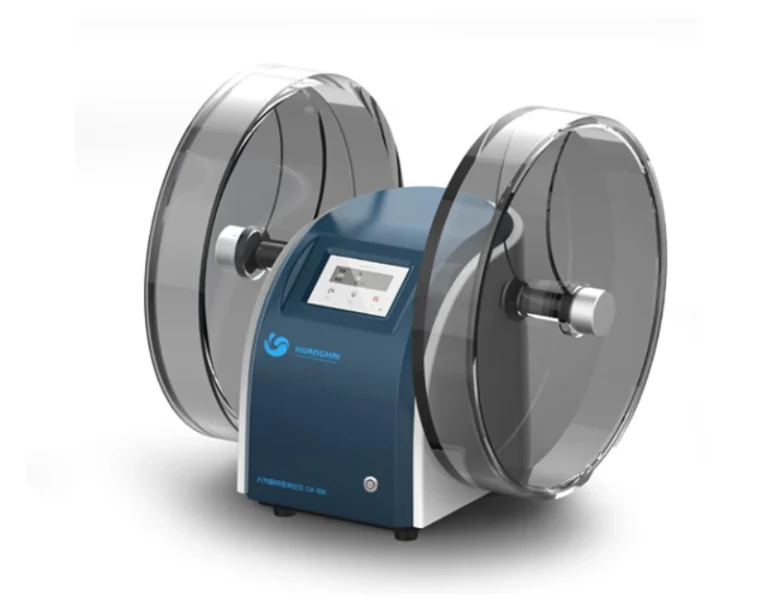
The solid dosage production process covers raw material processing (granulators, blenders), product forming (tablet presses, capsule fillers), and post-production finishing (coating machines). The sterile production system includes sterilizers, lyophilizers, and terminal packaging machinery. The complete equipment portfolio realizes full-process production coverage, reduces production waste, and stabilizes product quality.
3.2 Standardized Production Process Stages
The industrial operational scale depends on the seamless connection of standardized production processes. The complete production chain includes upstream raw material dispensing and formulation, core mixing, granulation and compression processes, and final filling, packaging and quality assurance links. Any disconnection in the process chain will restrict production efficiency and industrial scale expansion.
3.3 Industry Compliance Standard System
The scale ceiling of the medical equipment and pharmaceutical industry is restricted by a complete global compliance system. The core standards include Good Manufacturing Practices (GMP) and ISO international standards, supplemented by Good Laboratory Practices (GLP) and Good Clinical Practices (GCP).
Enterprises need to complete whole-process management including verification protocols, document control, and regular audit supervision to ensure standardized and scalable production without breaking market trust.
3.4 Supporting Infrastructure Construction
In addition to core production equipment, controlled cleanroom environments, professional HVAC systems, purified water utility systems, environmental waste treatment facilities, and supporting laboratory and security systems constitute the basic infrastructure of the industry. The systematic matching of layout, airflow and utilities is a necessary condition for the continuous improvement of industrial production capacity.
4. Efficiency Optimization Path for Industrial Scale-Up
4.1 Production Throughput Upgrade
Modern granulators and blenders optimize particle size stability and material mixing uniformity, effectively improving production throughput. Upgrading legacy equipment, matching production processes with market demand fluctuations, and real-time throughput monitoring have become key means to improve industrial production efficiency.
4.2 Product Yield Optimization
Lyophilizers ensure the stability of special pharmaceutical products, and precision coating machines realize controlled drug release. The application of advanced processing technology significantly reduces batch failure rates and improves the yield of finished products.
4.2.1 Academic Citation
IQVIA. (2025). Pharma manufacturers prioritizing advanced drying and coating technologies report measurable yield gains and reduced batch failures.
4.3 Energy Consumption and Operational Stability Optimization
By optimizing HVAC airflow balance and deploying intelligent sensors, and redesigning WFI system loops and heat recovery structures, pharmaceutical factories effectively reduce unit energy consumption and control operational costs. In addition, standardized preventive maintenance and precision equipment calibration reduce equipment downtime, improve operational uptime, and avoid economic losses caused by production stagnation.
5. Hidden Driving Forces of Industrial Growth
5.1 Lyophilization Technology Expands Market Boundaries
Lyophilizers are a hidden core driving force for industrial expansion. The freeze-drying technology maintains the stability of sensitive drugs and biologic products, breaks the limitation of cold chain transportation, realizes the long-distance transportation and global supply of special pharmaceuticals, expands market coverage, and drives continuous industrial scale growth.
5.2 Aseptic Filling and Processing Underpin Industrial Safety
Sterile filling lines are the core infrastructure of pharmaceutical industry growth. Aseptic manufacturing conditions ensure the safety of injectable drugs, and automated production technology realizes large-scale and high-precision biopharmaceutical processing. A complete aseptic processing system reduces product contamination risks and batch failure rates, stabilizes global pharmaceutical supply chains, and enhances industrial market trust.
6. Digital and Intelligent Industrial Transformation
6.1 Robotics and PAT Technology Reshape Sterile Production
The combination of robotic automation and Process Analytical Technology (PAT) reduces manual intervention in aseptic production, lowers contamination risks, and realizes real-time particle monitoring and instantaneous parameter adjustment. The intelligent production mode improves production repeatability, shortens verification cycles, and continuously accumulates efficiency advantages for industrial scale expansion.
6.2 Popularization of MES and SCADA Digital Systems
Manufacturing Execution Systems (MES) and SCADA data monitoring systems have become core digital tools for modern pharmaceutical production. Real-time data collection, process analysis, intelligent response and iterative optimization form a closed-loop digital production system, which effectively eliminates production bottlenecks.
6.2.1 Academic Citation
Deloitte. (2025). By 2025, over 70% of pharma manufacturers are expected to rely on integrated MES and SCADA ecosystems for compliance and efficiency gains.
7. Comparative Analysis of Core Industrial Systems
7.1 Core Processing Equipment: Granulators vs. Tablet Presses
Granulators optimize the physical properties of powder materials such as density and fluidity to complete pre-production processing, while tablet presses realize the final forming of solid dosage products. The coordinated operation of the two types of equipment determines the production throughput and product quality of solid dosage pharmaceuticals, which is the basic guarantee for industrial scale production.
7.2 Industrial Control Software: MES vs. DCS
MES undertakes the functions of production scheduling, batch record management and compliance supervision at the production operation layer; Distributed Control Systems (DCS) realize automatic control and precise adjustment of continuous production parameters at the process control layer. The integrated application of the two systems realizes the integration of production data visualization and process precise control.
7.3 Monitoring and Execution Systems: SCADA vs. PLC
Programmable Logic Controllers (PLC) perform underlying executive functions such as equipment operation and alarm response; SCADA systems realize full-line data monitoring, trend analysis and manual intervention scheduling. The layered cooperation of hardware execution and software monitoring builds a stable and efficient industrial intelligent operation system.
8. Conclusion
The scale growth of the global medical equipment and pharmaceutical industry is driven by standardized production equipment, strict compliance systems, efficient process optimization and digital intelligent transformation. Solid dosage manufacturing, ISO-standard cleanroom environments, and FDA-certified water systems constitute the three cornerstones of industrial scale. Meanwhile, the popularization of intelligent equipment and digital systems continues to release industrial production potential, realizing the simultaneous improvement of production efficiency, product quality and market scale.
Enterprises represented by JZC optimize equipment selection, process connection and system integration based on industrial standards and market demands, providing reliable infrastructure support for the large-scale, standardized and sustainable development of the medical equipment and pharmaceutical industry.
References
1. ISPE. (2025). Pharmaceutical Water System Compliance Inspection Report.
2. IQVIA. (2025). Global Pharmaceutical Manufacturing Technology and Yield Analysis Report.
3. Deloitte. (2025). Life Sciences Industry Digital Transformation Outlook.