Pharmaceutical quality and safety are the core priority for drug manufacturers. Standard professional laboratory instruments are vital for drug testing, research and quality control. To standardize laboratory work and guarantee accurate, reliable test data, pharmaceutical firms need complete, well‑functioning lab equipment for a qualified pharmaceutical lab. This document lists common instruments for daily testing, R&D and quality‑control tasks. It covers physicochemical analysis, drug‑performance testing, environmental, water‑quality and packaging‑material tests, offering solid equipment support for drug‑quality management and standardized lab operations.
List of Common Instruments and Equipment for Pharmaceutical Lab and Pharmaceutical Enterprise Laboratories
- pH Meter: For pH‑value measurement, this widely‑used lab device delivers fast and stable test results for various sample solutions in routine experimental work.
- Conductivity Meter: For measuring conductivity values in electrolyte solutions
- Polarimeter (visual, automatic): Measures optical rotation of substances to analyze concentration, purity and sugar content
- High‑Performance Liquid Chromatograph (HPLC): Qualitative and quantitative analysis
- Gas Chromatograph (GC): Qualitative and quantitative analysis
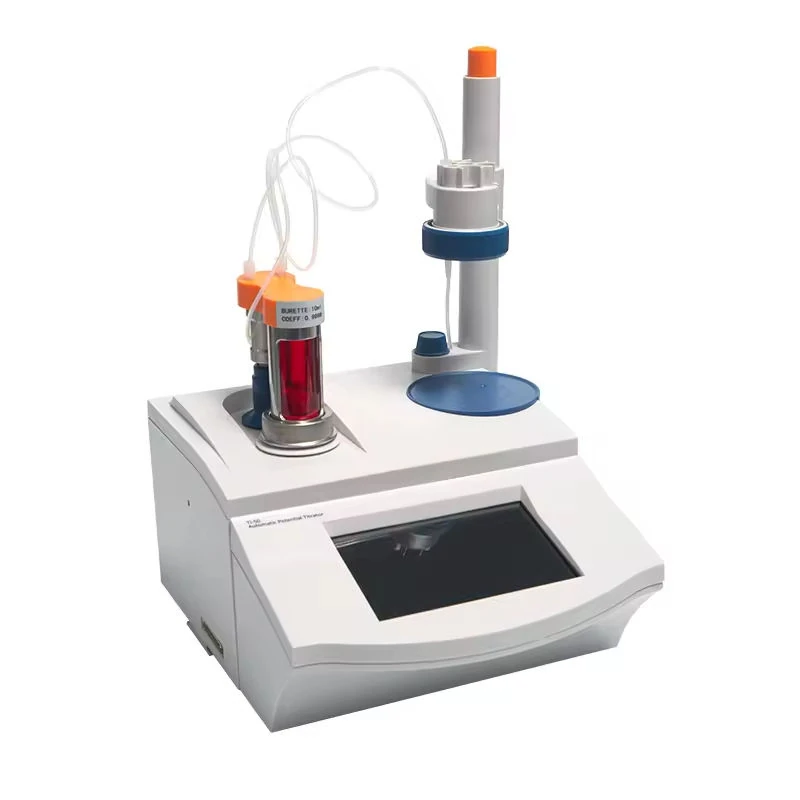
- Automatic Potentiometric Titrator: Acid‑base titration, redox titration, precipitation titration and complexometric titration
- Intelligent Disintegration Tester: Performs drug disintegration tests under set temperature (human‑body temperature)
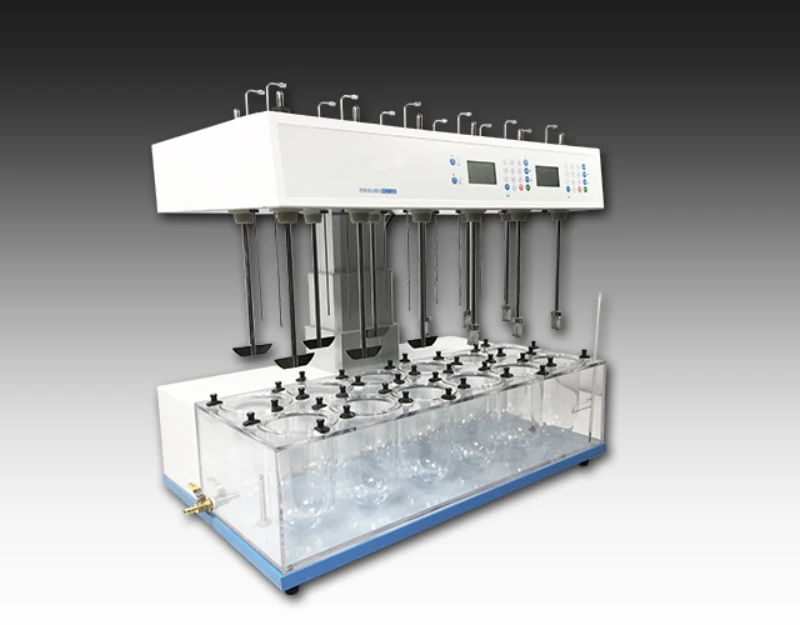
- Drug Dissolution Tester: Conducts drug dissolution tests under set temperature (human‑body temperature)
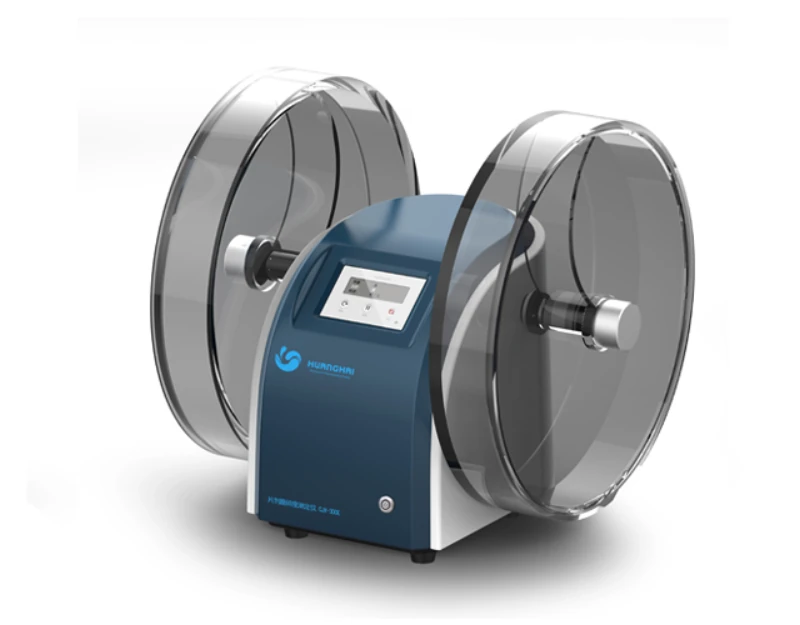
- Friability Tester: Carries out tablet friability tests at set rotating speed
- Melting‑Point Apparatus: Measures melting points of crystalline chemicals, pharmaceuticals and some crystalline polymers
- Clarity Tester: Observes solution clarity and checks for particulate matter
- Ultraviolet Irradiance Meter: Measures ultraviolet irradiance
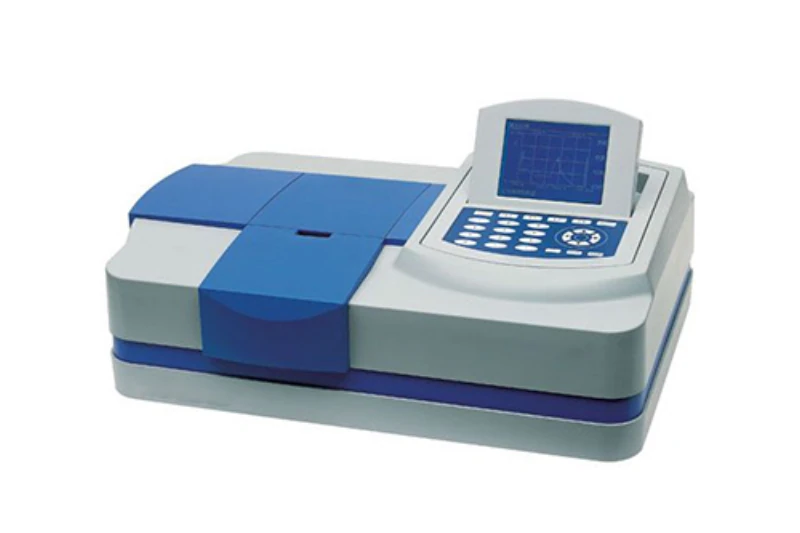
- UV‑Vis Spectrophotometer: Measures absorption degree of substances against monochromatic radiation of different wavelengths for quantitative analysis
- Micro‑Syringe: Used for liquid‑phase and gas‑phase chromatographic analysis
- Abbe Refractometer: Determines refractive index and average dispersion of transparent or translucent liquids and solids
- Atomic Absorption Spectrophotometer: Conducts quantitative analysis based on absorption of characteristic radiation by ground‑state atoms of target elements
- Fluorescence Spectrophotometer: Analyzes and tests various microbes, amino acids, proteins, nucleic acids and many clinical pharmaceuticals
- Color Difference Meter: Measures the color of pharmaceutical products
- Infrared Spectrophotometer: Qualitative and quantitative analysis
- Hand‑held Saccharimeter: Determines sugar content in solutions
- Standard Polarimeter Tube: Serves as optical‑rotation standard for polarimeters to verify polarimeter accuracy
- Ultrapure‑Water System: Produces ultrapure water
- Sodium‑Ion Concentration Meter: Measures sodium‑ion concentration
- Dust Particle Counter: Measures particulate matter in air
- Dead‑Stop Titrator: Titration instrument that indicates titration end‑point according to potential changes
- Karl‑Fischer Moisture Titrator: Measures moisture content of products
- Thin‑Layer Chromatograph (TLC): Qualitative analysis
- Fourier‑Transform Infrared Spectrometer (FTIR): Qualitative and quantitative analysis
- UV‑Intensity Meter: Measures ultraviolet intensity
- Three‑wavelength UV Analyzer: Checks quality of fluorescent pharmaceuticals in pharmaceutical production and research
- Biological Microscope: Observes tiny substances
- Laser Particle Counter: Counts dust particles
- Dual‑wavelength Flying‑spot Scanner: Precision measurement for gel electrophoresis, thin‑layer plates and other samples
- Anemometer: Measures wind speed
- Digital Photometer: Measures visible‑light irradiation intensity
- Reverse‑Osmosis Water Purifier: Supplies feed‑water for ultrapure‑water systems; also provides general laboratory water
- Environmental‑Parameter Tester: Measures environmental parameters
- Medical Clean Bench: Provides dust‑free, sterile and high‑clean working environment
- UV‑Spot Detector: Checks quality of fluorescent pharmaceuticals in pharmaceutical production and research
- Air‑Borne Bacteria Sampler: Monitors total bacterial count and detects various bacteria in air
- Digital Whiteness Meter: Tests whiteness of pharmaceuticals and measures fluorescent samples
- Nephelometer / Total Organic Carbon Analyzer: Measures water turbidity; measures total organic carbon
- Water‑Vapor and Oxygen Permeation Tester for Packaging Materials: Tests water‑vapor transmission and oxygen permeation of packaging materials
- Analytical Balances of different precisions, Hardness Tester
Summary
The above are common testing and analytical instruments for pharmaceutical‑enterprise laboratories and professional pharmaceutical lab use. They cover physical‑chemical testing, component analysis, drug‑performance testing, environmental monitoring, water‑quality and packaging‑material detection and other categories. Each instrument has clear functions and works with others. They can fully test drug purity, content, stability, safety and environmental cleanliness. They serve as the basic hardware configuration to guarantee pharmaceutical quality, standardize drug research and production, and meet quality‑control standards in the pharmaceutical industry.