

Description
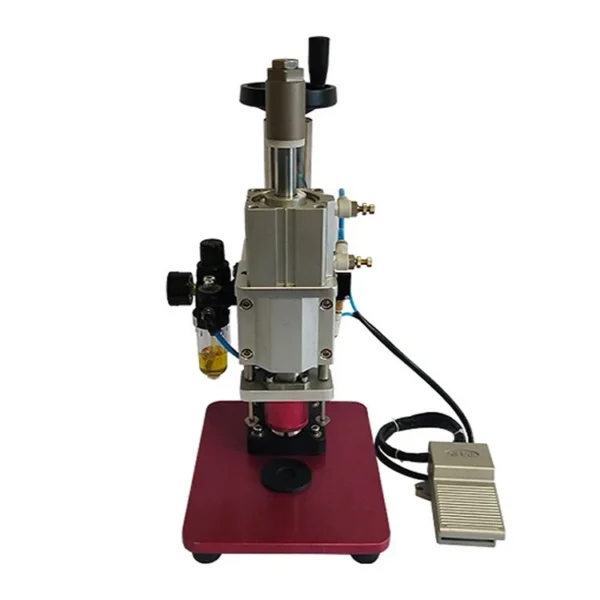
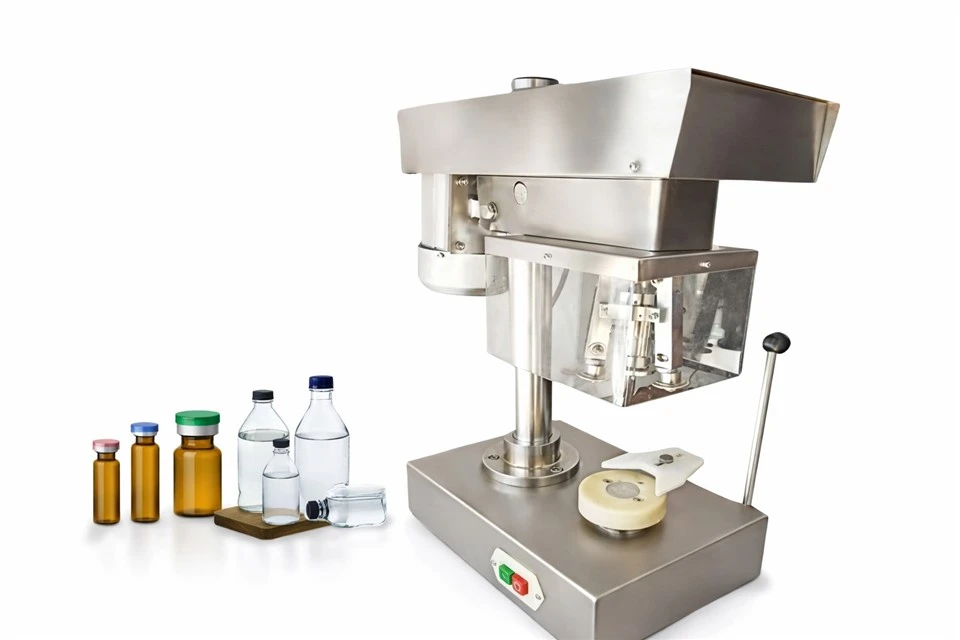
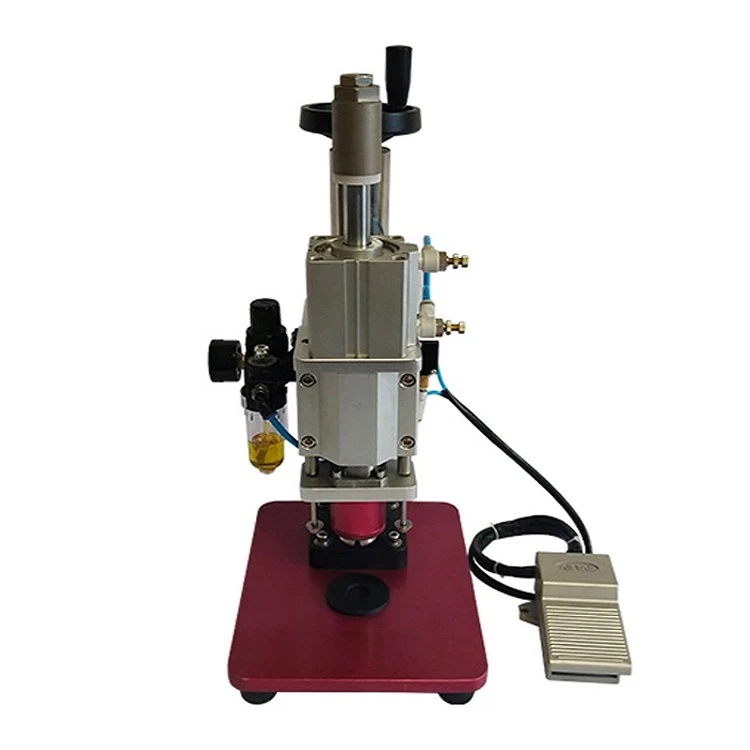
Capping machines fasten caps onto bottles and barrels. There are three main types: manual, semi-automatic and automatic. Manual capping machines help fix products in place. Operators complete most control and operating work.
Benefits of Capping Machines
- Precise Sealing Performance
Automatic capping machines achieve highly accurate sealing. They tightly seal every product to form an airtight space. Good sealing keeps pharmaceutical products effective. It protects goods from pollutants and bad environmental conditions that may ruin product quality over time.
- Higher Working Efficiency
Automatic capping machines run at high speed. They greatly speed up packaging work and help pharmaceutical factories meet growing production needs. Less time is spent on capping. Factories make better use of resources and raise output without lowering product quality or safety.
- Flexible for Different Needs
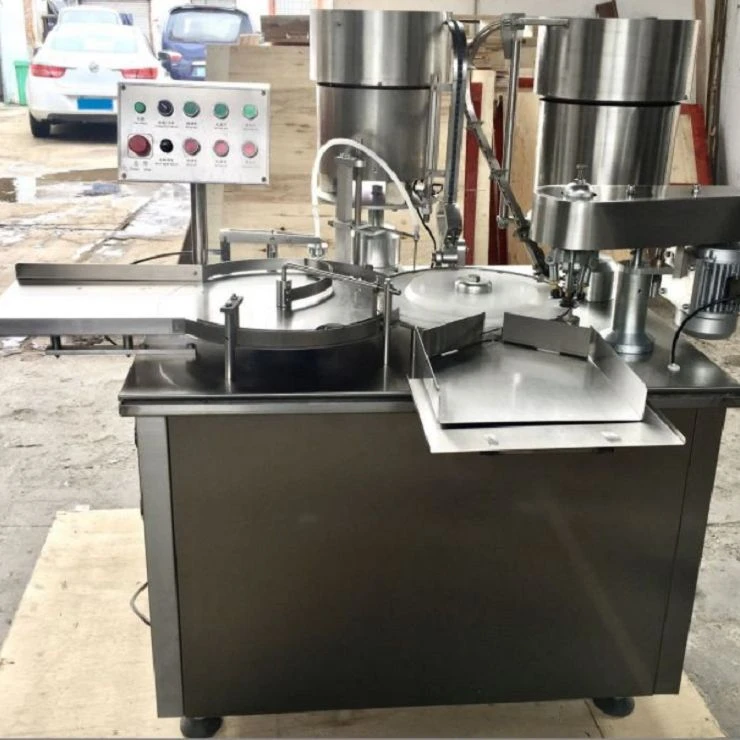
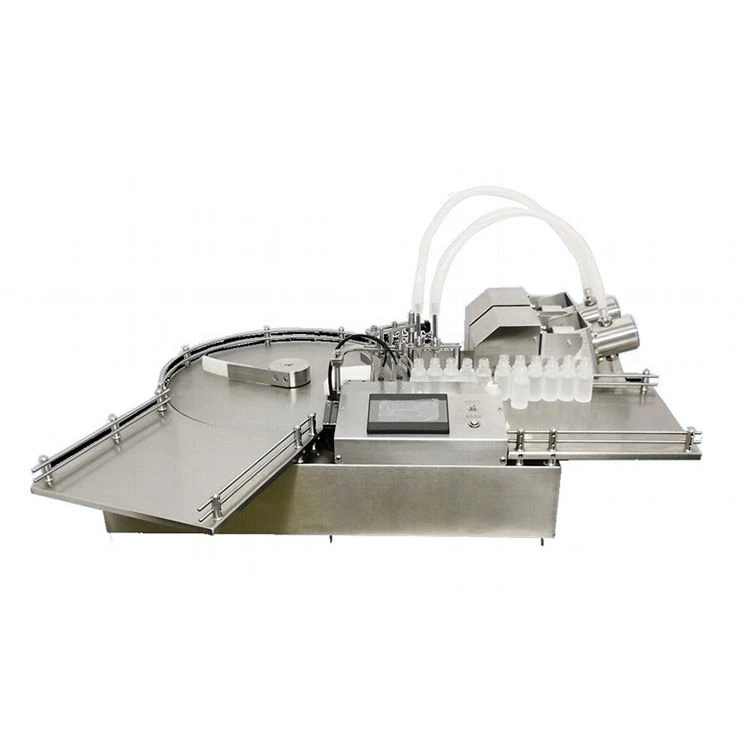
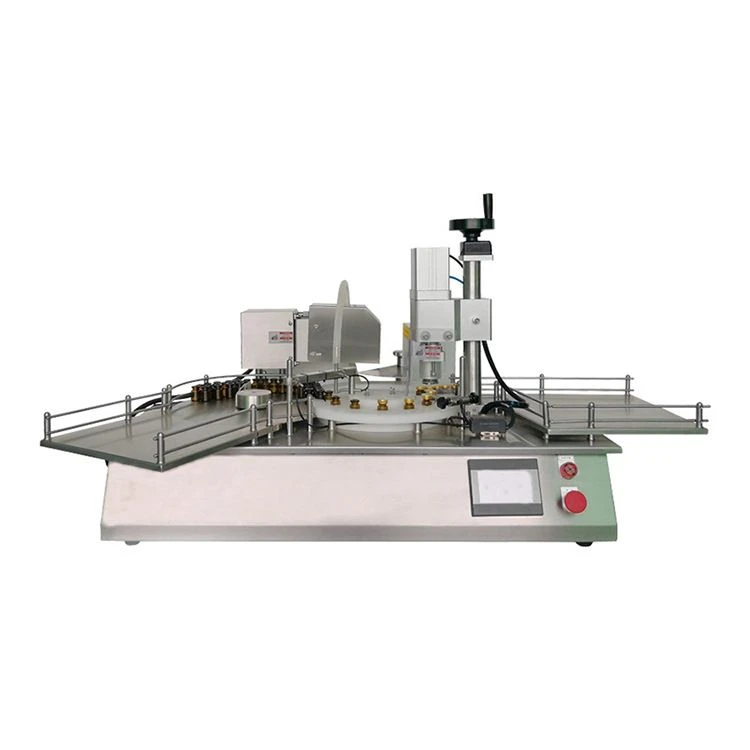
These machines work with many pharmaceutical containers, including bottles, vials and jars of different shapes and sizes. Users can quickly switch between different packaging types. It simplifies production lines and supports packaging of various pharmaceutical goods. Factories can react quickly to market changes and meet changing industry requirements.
- Advanced Safety Protection
The machine is fitted with accurate torque control parts and sealing checking systems. It puts product safety first. It controls sealing pressure carefully to lower risks of liquid leakage. This prevents pharmaceutical goods from pollution or damage. Better safety features reduce material waste, cut costs and support green production in the pharmaceutical industry.
Why Choose Us
- One-stop Service:We promise fast replies, competitive prices, reliable quality and complete after-sales support.
- Customer Satisfaction:We aim to offer high-quality service beyond your expectations. We work closely with customers and try our best to satisfy all your production demands.
- Competitive Pricing:We provide favorable prices without sacrificing quality. Our prices are open and clear, with no hidden fees.
- Quality Assurance:We follow strict quality control standards. Our quality inspectors fully test every machine before delivery.
- Professional Experience:Our team of experts has many years of experience. We only employ skilled specialists with proven excellent work results.
- Great Customer Service:We stick to our promises on delivery time and budgets. Outstanding customer service builds our reputation. You will feel clear differences after cooperating with us.
How Does a Capping Machine Work
You may have seen automatic capping machines in operation. They work so fast that you cannot easily see their exact working steps.
Different types of machines have different inner structures. For example, rotary capping machines work differently from inline straight-line capping machines. Even so, all bottle capping machines finish two main steps: placing caps and sealing caps.
Fully automatic machines use two common ways to place caps: pick-off method and pick-and-place method.
The pick-off method uses an accurate guide chute to send out caps. Bottles move under the chute and catch falling caps. This design is widely used in inline capping machines and some rotary capping machines for skirt caps and aluminum caps.
The pick-and-place method is easy to understand. Robotic arms grab caps. Then cap chucks take these caps, place them on containers and tighten them. This method fits more kinds of caps. However, it needs higher-level automation and tool parts for caps of different sizes and types.
After caps are placed on containers, sealing starts. Sealing methods depend on machine models, bottles and cap styles. Skirt caps (such as caps for beer bottles) are fixed by direct pressing. Threaded caps need to rotate with proper downward pressure to lock on bottle mouths.
Differences Between Automatic and Semi-automatic Capping Machines
The biggest difference between semi-automatic and fully automatic machines is whether workers need to put caps on bottle mouths. The level of automation can be adjusted according to production needs.
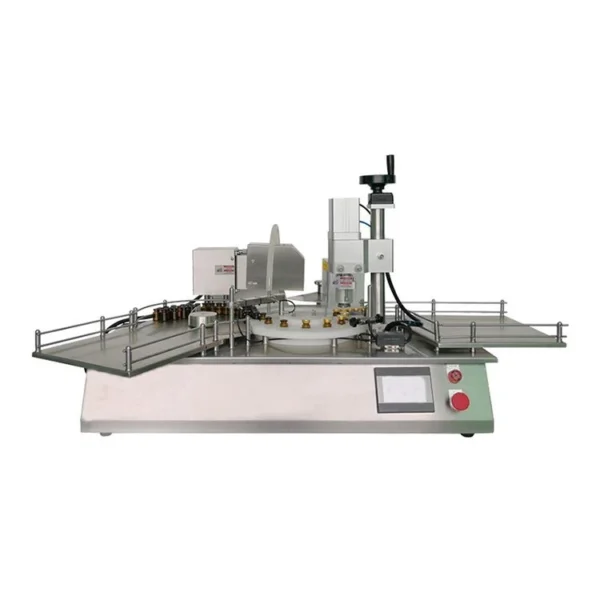
A tabletop semi-automatic chuck capper requires workers to place bottles and caps manually. Then the machine tightens caps, and workers repeat this process. Some semi-automatic cappers work with conveyor belts. The belt sends bottles automatically. Workers only need to put caps on bottles before the machine completes sealing.
Semi-automatic capping machines fit small factories and small-batch special production. Fully automatic capping machines suit large production lines with long-term standard manufacturing. Neither type is absolutely better. The best choice depends on your production demands.
Things to Know Before Buying a Bottle Capping Machine
Before you buy a bottle capping machine, learn about its functions, features, classification and costs. Then you can decide whether it fits your production line. Here are important functions and advantages for your reference.
- Features of Bottle Capping Machines
Bottle capping machines can automatically load caps. They store caps inside material tanks and feed caps to bottles quickly. You need to set suitable width and cap types before operation. Some machines have special fixtures to help adjustment. Others only need simple settings by operators. All in all, bottle capping machines are valuable investments for factories.
Single-head automatic bottle capping machines have torque control systems. They handle fragile caps and common caps well. Users can adjust the torque of every capping head separately.
- Maintenance of Bottle Capping Machines
Good maintenance keeps bottle capping machines in stable condition. These machines are not hard to maintain, but regular care ensures high efficiency. Without proper maintenance, machines slowly lose efficiency and break down easily. Unexpected breakdowns lead to heavy production losses.
A capping machine is a key part of automatic bottling lines. It installs metal or plastic threaded lids and plugs for containers. It creates clean working environments and supports high production speed. It also helps lower manufacturing costs.
- Classification of Bottle Capping Machines
Bottle capping machines can be sorted by the containers they process. Fully automatic machines adapt to many kinds of containers. Semi-automatic machines need help from workers. Some machines require manual cap placement, while fully automatic machines need almost no human operation. This difference influences both prices and long-term use experience.
Threaded caps are the most common type. Rotating structures tighten these caps and create self-locking force. Snap caps are fixed onto containers with clamping claws. Beer bottles usually use threaded caps, which can be fitted manually or by machines. Different caps need matching capping machines and accurate positioning.
- Costs of Using Bottle Capping Machines
Maintaining bottle capping machines takes continuous investment, yet these machines directly affect factory profits. Most factories rely on continuous production, so it is wise to prepare spare parts. Spare parts save time and money during machine failures.
Regular maintenance keeps machines running at the best state. Poor maintenance reduces working capacity and causes great financial losses. Check machine parts often, especially gearboxes. Make sure all parts run in coordination.
In Conclusion
Demand for packaged products keeps rising in many industries, so the market for bottling and capping equipment keeps growing. Besides food and beverage industries, chemical, pharmaceutical and cosmetic factories widely use capping machines. Capping machines improve overall production processes. Higher hygiene standards further increase market demand for this equipment.
Applications of Capping Machines
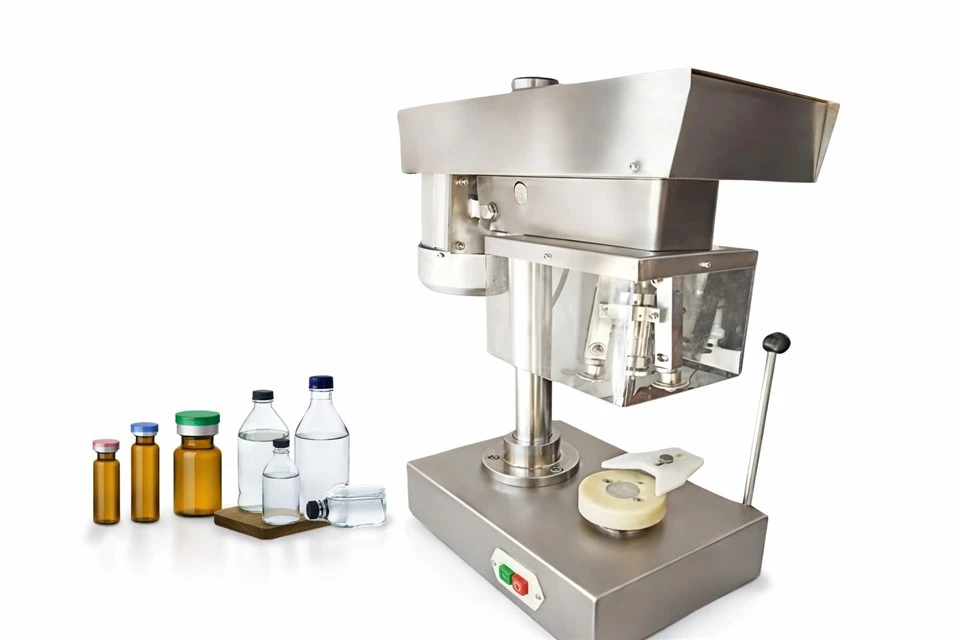
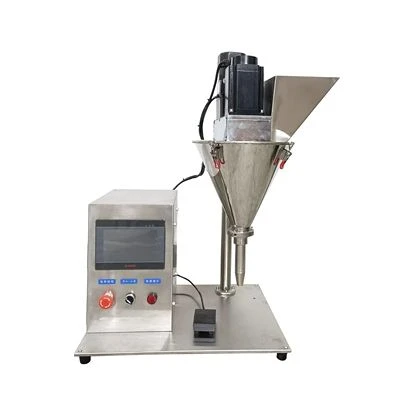
Like other packaging machines, capping machines serve many industries. Main application fields are shown below:
- General Packaging
Capping machines are widely used for products that need tight sealing. Many industrial production lines adopt these machines to place and tighten caps. Cosmetic factories use containers of various types to store products. Special chemical materials also need reliable sealing supported by capping machines.
- Food and Beverage Industry
Capping machines protect food and drinks with tight sealing. Most drinks are packed in bottles or cans. Many food factories use fragile containers to store goods. Capping machines finish sealing work for all kinds of food containers. Drinks are easily polluted, so tight sealing from capping machines is necessary.
- Agricultural Industry
Agricultural businesses use capping machines to seal pesticides, fertilizers and other chemicals. It stops children or vulnerable groups from touching harmful substances. Pesticides and liquid fertilizers you buy are packed in sealed containers. Agricultural suppliers use capping machines to make tamper-proof sealed packages.
Agricultural companies of all sizes buy liquid agrochemicals to improve crop output. Herbicides, insecticides and algaecides control harmful creatures in farmland. Soil conditioners and fertilizers help plants grow. These chemicals are dangerous if touched or breathed in. Capping machines meet sealing demands for liquid agrochemicals of different volumes. They are necessary equipment for agrochemical production.
- Medical and Military Industries
Capping machines are widely used in medical and military fields. Pharmaceutical companies use many kinds of packages for medicines. Military products also have strict sealing requirements. Many goods in these industries are easy to be polluted or toxic. Capping machines create tamper-proof sealing to avoid pollution. Tightly fixed caps keep products safe for later use.
Types of Capping Machines
Capping equipment mainly includes three categories: main capping machines, cap sorters and cap elevators.
Cap sorters adjust cap directions and send orderly caps to capping stations.
Cap elevators belong to cap feeding systems. They carry caps from hoppers and improve efficiency of automatic capping machines and container sorting.
Common main capping machines include:
- Chuck Capper: It puts caps on containers and spins caps tight while containers keep moving on the line.
- Spindle Capper: Containers stop at working stations. The machine spins caps tightly when containers stay still.
- Snap Capper: It presses snap caps onto containers as containers pass through the machine.
- Vertical Wheel Plugger: This machine fits containers that need inner plugs instead of top caps.
Points to Consider Before Purchasing a Capping Machine
A capping machine is a core part of automatic bottling production lines. It caps bottles, jars and reusable containers quickly and accurately.
- Features of Automatic Capping Machines
Today, nearly all production lines with container filling work use capping machines. These high-speed machines support large output. Their basic functions are easy to understand, but the full sealing process has many hidden details. Let us introduce the whole capping process and machine components.
Capping takes place right after containers are filled. Containers enter the machine open and come out fully sealed. Some capping machines can add anti-tamper sealing. It lets buyers know packages are not opened after leaving factories. This function is popular in the pharmaceutical industry.
Threaded caps must be delivered to bottle mouths before sealing. Cap feeding systems finish this task. Machine makers use two main feeding designs according to machine types, containers and caps.
The first design is the pick-off system. Accurate chutes send caps one by one. Conveyors carry containers under chutes to catch falling caps, then send containers to tightening stations. It is widely used in rotary and inline capping machines.
The second design is the pick-and-place system. Two-axis or three-axis robotic arms work as operators. Grippers on arms pick caps from trays and place caps on containers. This system fits many different caps and containers.
After caps are placed, the most important step begins: sealing. Capping machines lock caps and containers together. Sealing structures differ by machine types. For threaded bottle caps, machines rotate caps with steady pressure to complete sealing.
- Different Kinds of Capping Machines
Capping machines with tightening heads are the most common type. When containers reach working positions, capping heads move down and transfer torque to tighten caps.
Both large factories and small-batch production lines can use these machines. There are three versions: automatic, semi-automatic and manual. For semi-automatic machines, workers place caps manually, and machines finish tightening. Most of them are continuous motion machines. Containers do not stop moving. Capping heads tighten caps while containers travel on conveyors.
Spindle capping machines are another common choice. Groups of rotating discs clamp caps and tighten them after containers arrive at fixed positions. This type belongs to intermittent motion equipment. Containers stop temporarily during capping.
- Application Cases of Capping Machines
The packaging industry widely uses capping machines to fit and tighten caps. The cosmetic industry is a typical user. Many threaded bottles for beauty products rely on capping machines.
The food industry, especially breweries and bottling factories, are major buyers of capping machines. Food manufacturers use threaded jars to hold spices, jams and other goods. Therefore, capping machines are common equipment in food processing plants.
The agricultural industry also uses capping machines. They seal dangerous chemicals to stop leakage and prevent children from easy access. Besides, capping machines reduce direct human contact with harmful materials and protect workers’ health.
The pharmaceutical industry cannot work well without capping machines. Drug companies use various threaded containers to store medicines before sending them to patients. Precise and controllable capping processes guarantee good sealing and avoid pollution for finished medicines.
Reviews
There are no reviews yet.