

-
Blake.Chu sales consultant
-
Email: 113217160@qq.com
-
Phone/WhatsApp: +86 17774546154
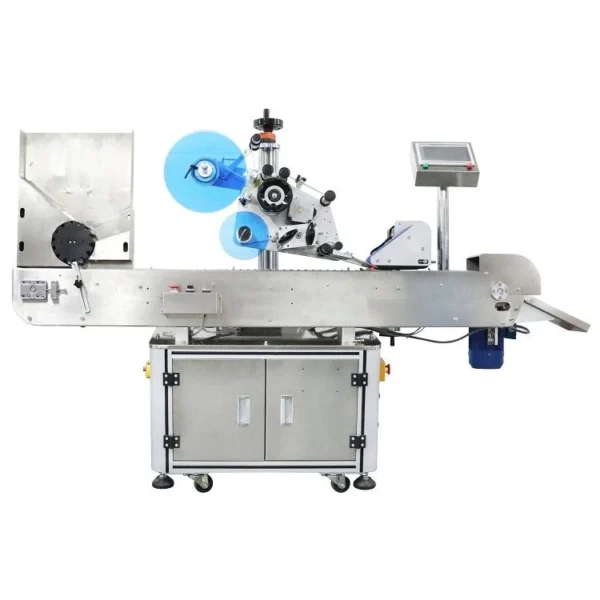
Labeling Machine
Our labeling machines feature stable performance, high accuracy and wide applicability for multiple industries. They solve the problems of low speed and uneven labeling of manual work, greatly improve production efficiency and product beauty. With simple installation steps and user-friendly operation, the machines are easy to set up and maintain. Meanwhile, our reliable quality, professional service and complete safety design make our equipment a cost-effective choice for all manufacturers. It can bring stable production output and long-term economic benefits for different production lines.
Send your requirements, we will quote for you within 12 hours
Description
What Is a Labeling Machine?
A labeling machine is a piece of equipment that sticks labels onto products, packages or containers. This machine is widely used in many industries, such as food and beverage, pharmacy, cosmetics and logistics. It can finish standard labeling work, help people tell different products apart, build brand images, and meet the labeling rules of different industries.
Advantages of the Labeling Machine
- Higher Production Efficiency
Labeling machines greatly speed up the labeling process. They can finish more orders while keeping good label quality. Higher efficiency helps factories expand production and raise total output.
- Lower Production Costs
Automatic labeling cuts the number of workers needed and reduces extra overtime costs. The whole labeling process needs fewer operators, so companies can use their labor and material resources more wisely.
- Precise and Uniform Label Sticking
Our machines are fitted with accurate transmission parts. Every label can be stuck exactly where it should be. It is hard for human workers to reach the same level of precision. Using this machine makes all products look neater and more attractive.
- Fewer Machine Stops and Production Mistakes
Automatic operation avoids many mistakes caused by manual labeling and reduces unexpected machine stops. The machine runs steadily, making the whole production line work smoothly with fewer interruptions. Finally, factories can produce more goods and earn more profits.
- Wide Application and Flexible Use
Labeling machines fit many types and sizes of labels. They work for tiny vials and bottles as well as large containers and cartons. The machines are highly versatile and can meet labeling needs in different industries and work scenes.
- Real-time Production Data Tracking
The machine has output counting and other useful functions. Workers can clearly see how fast the production line runs. With these production data, factories can plan and adjust their production schedules to maximize line efficiency and make better production decisions.
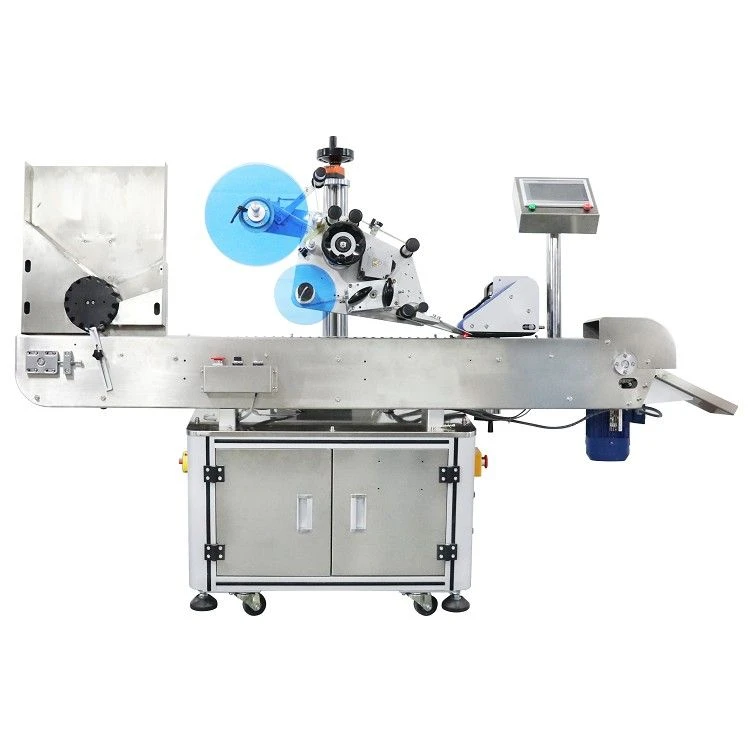
Bottle Labeling Machine
This machine fits round and semi-circular labeling for unstable cylindrical products. It uses horizontal feeding and horizontal labeling structures. These designs make products stay steady during work and improve labeling speed.
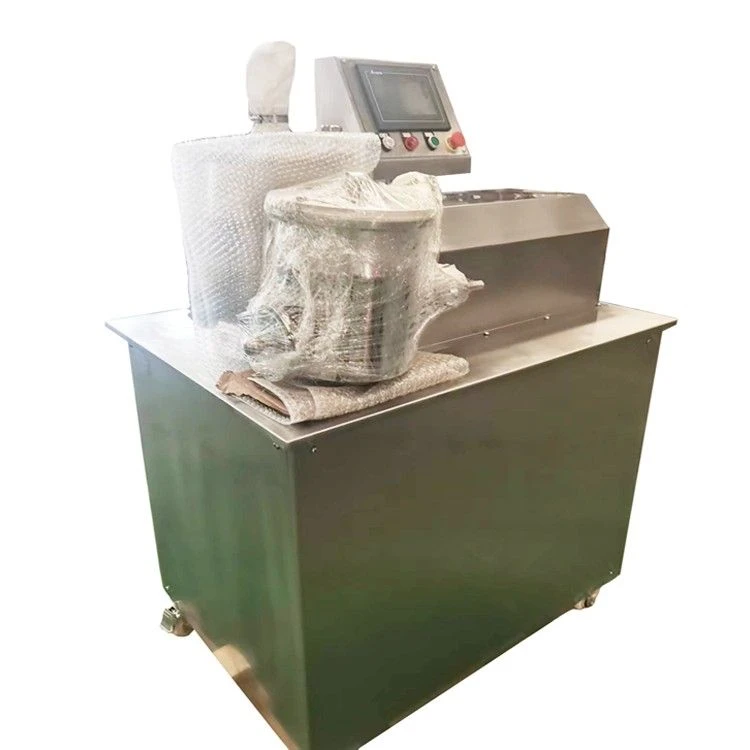
Industrial Mixer Machine
Inside a cylindrical container, mixing paddles at the bottom fully mix powder raw materials and adhesives into wet materials. Then high-speed cutting paddles installed on the side cut the mixed materials into even wet pieces.
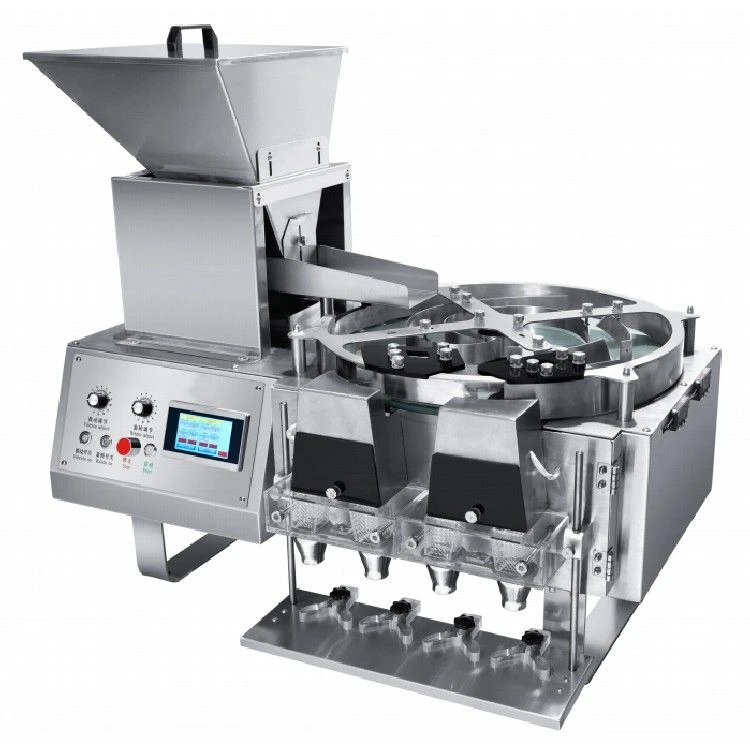
Capsule Counter
This machine meets GMP production standards. It is especially suitable for research institutes, hospitals, new small pharmaceutical factories and health product manufacturers.
Capsule Counting Machine
It fits the filling of many solid preparations in pharmaceutical and food industries. It is equipped with a bottle transfer mechanism. The bottle stoppers on the bottle delivery track move bottles from the equipment on the upper track to this machine.
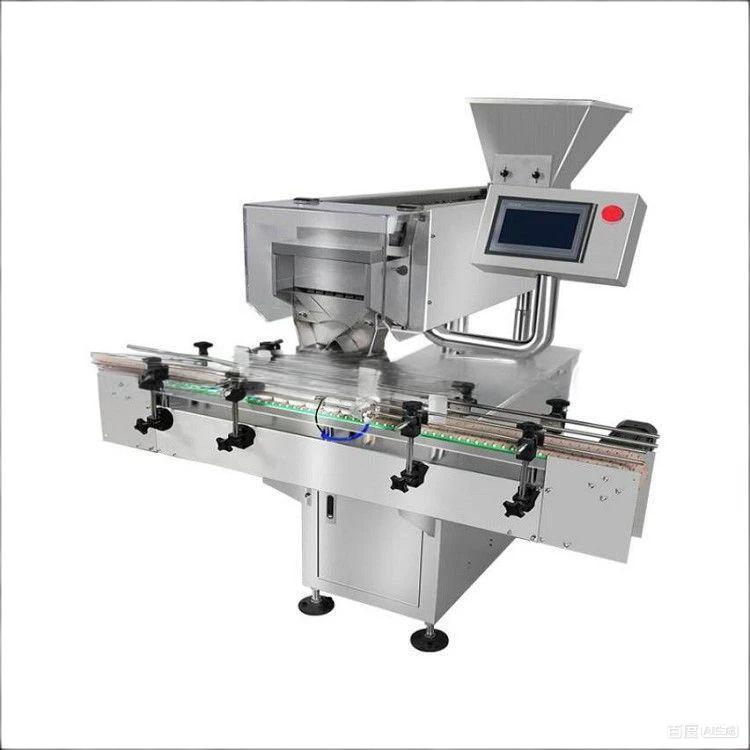
Capsule Filler
This machine uses high dust-proof computer counting technology. It can count and fill tablets (including special-shaped tablets), hard capsules and soft capsules of all shapes.
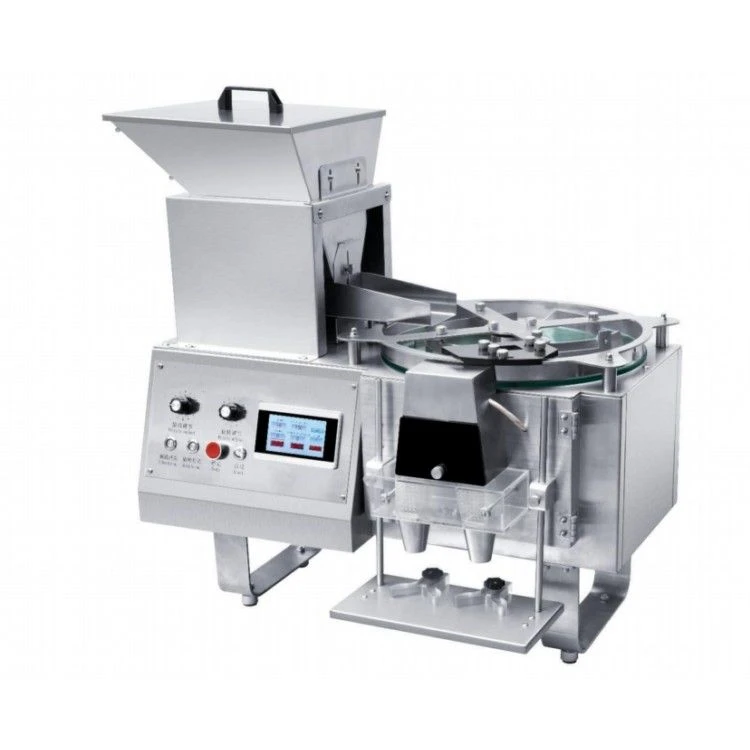
Capsule Filler Machine
It can finish all steps: fitting capsule caps and bodies, and filling powder into capsules. It works well for medium and small batch production in small and medium-sized pharmaceutical factories.
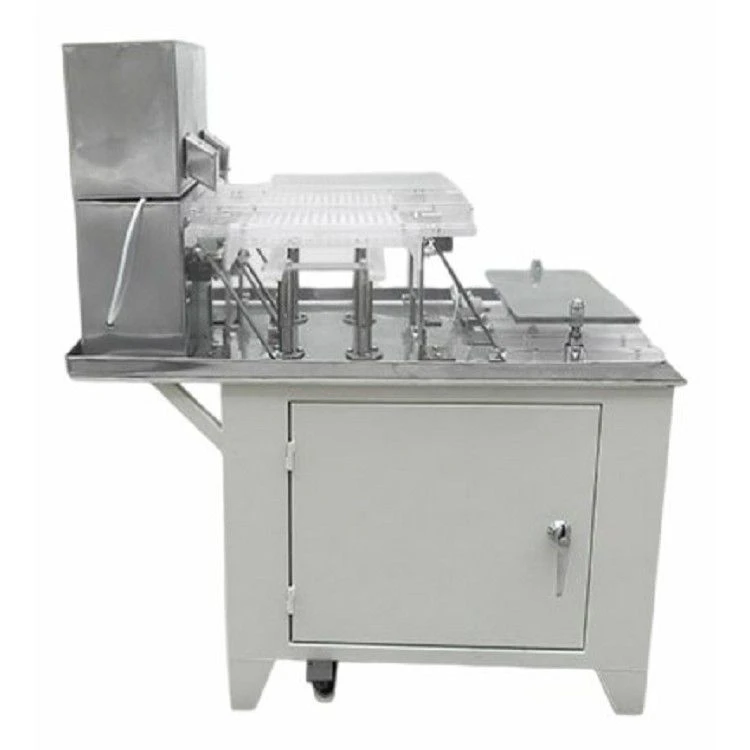
Soft Capsule Machine
The KD-88 capsule polishing machine (medicine polishing machine) is made up of a base, a discharge port, a machine frame, a single-phase motor, polishing brushes and a stainless steel cover.
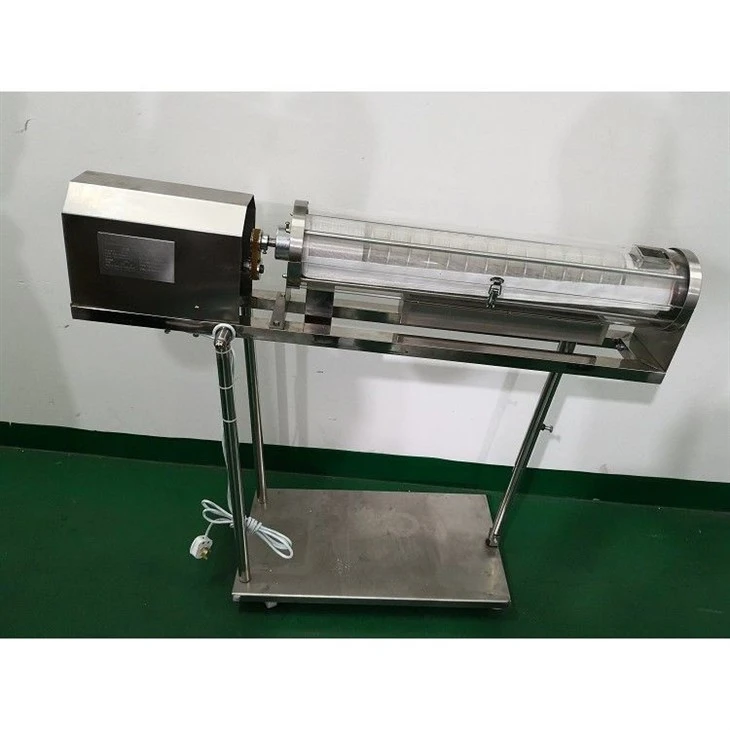
Capsule Filling Machine
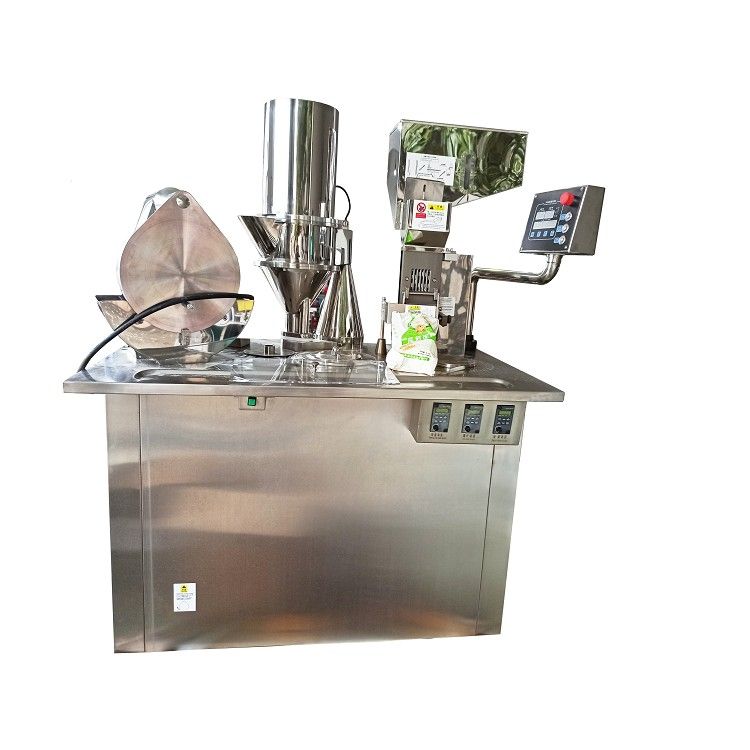
The DCX-4 semi-automatic capsule filling machine is a new type of medicine packaging machine. It can fill all kinds of domestic and imported empty capsules.
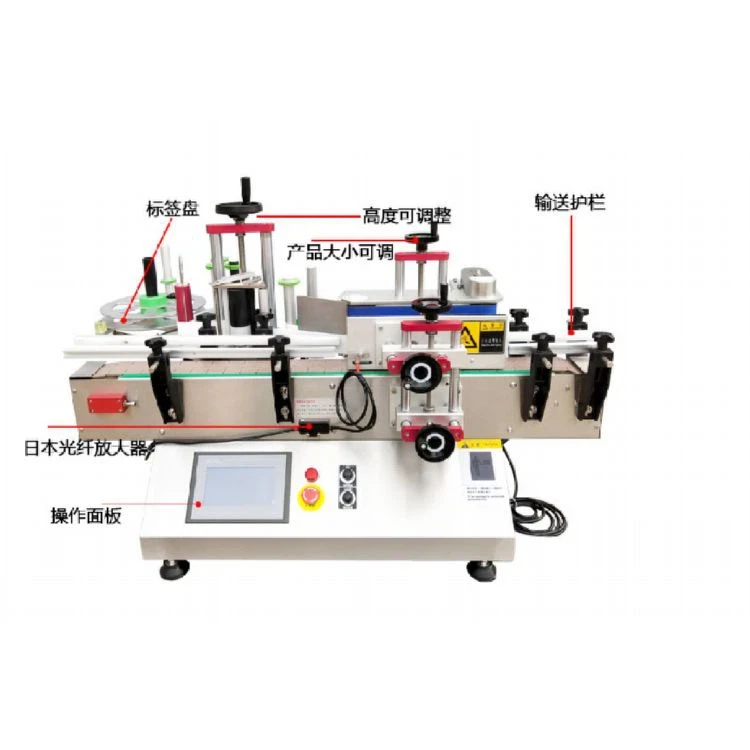
General Introduction of Labeling Machine
This equipment is widely used in food, chemical, pharmaceutical, packaging, electronic, medical and other industries. It can stick self-adhesive labels on all standard round bottles.
Why Choose Us
|
Core Advantages
|
Detailed Introduction
|
|---|---|
|
Reliable Quality
|
We strictly test every machine before delivery. All equipment has stable quality and fully meets daily production needs and industry standards.
|
|
Great Industry Reputation
|
We have long-term development in the machinery industry. We gain high praise and trust from customers all over the world.
|
|
Thoughtful Customer Service
|
We provide full-cycle services, including pre-sales consultation, machine installation guidance and after-sales maintenance support. We solve customer problems in time.
|
|
Rich Production Experience
|
Our factory has professional production and R&D experience. We keep optimizing machine structure and performance to provide better products for users.
|
|
Simple and Convenient Use
|
Our labeling machines adopt humanized design. They are easy to install, operate and clean. Workers can master the operation quickly without professional training.
|
|
Complete Safety Protection
|
All machines are equipped with standard safety protection devices. They effectively avoid safety accidents and ensure safe and stable operation.
|
Types of Labeling Machines
- Top Labeling Machine (Flat Surface Labeling Machine)
It can stick labels on the flat surfaces or side faces of products made of different materials, such as aluminum foil bags, packaging pouches, cartons, plastic boxes, egg trays, paper boxes, credit cards, memory cards, color boxes, medicine boxes and cosmetic boxes. We provide automatic and semi-automatic models. Factories can pick the right type according to their output needs.
- Top and Bottom Labeling Machine (Front and Back Bottle Labeling Machine)
It can stick two labels at the same time. For example, it can stick labels on the front and back of a container, or on its top and bottom. It can also only finish single-side labeling.
- Automatic Round Bottle Labeling Machine
It sticks labels around round bottles, jars and cylindrical goods, and it only works for products that need full circular labels. Based on the length of labels, the machine can finish half-circle, two-thirds circle or full-circle wrapping labeling. The round bottle labeling machine series includes: automatic bottle labeling machines, tabletop semi-automatic round bottle labeling machines, oval bottle labeling machines, horizontal wrap-around labeling machines.
- Special Shape Labeling Machine
This category includes C-wrap labelers, tamp labeling machines, square bottle labeling machines, three-side labeling machines, flat bottle labeling machines, tapered bottle labeling machines, syringe labeling machines, tube labelers, cable labeling machines, print-and-apply labelers and so on. Different machines can complete right-angle labeling, angle labeling, three-side labeling for square bottles, multi-angle wrap-around labeling for bottles, wire labeling, double-side labeling for flat bottles, curved surface labeling, bottleneck labeling, and labeling for special-shaped product parts.
Installation and Setup of Labeling Machines
|
Installation Steps
|
Specific Operation Rules
|
|---|---|
|
Unpacking
|
Handle the machine gently during unpacking. Ask another person for help if the machine weighs over 30kg. This can prevent machine damage and personal injury.
|
|
Placement
|
Put the machine on a firm and horizontal ground. Keep it away from strong sunlight, high temperature and high humidity environments to protect internal parts.
|
|
Power Connection
|
Check the machine’s rated voltage (110V or 220V). Use the matched power supply. Wrong power connection will cause serious machine failure.
|
|
Label Loading
|
Install label rolls strictly according to the arrow marks in the manual. The label roll diameter is within 300mm, and the label width ranges from 20mm to 110mm.
|
|
Parameter Setting
|
Adjust working speed, label length and labeling position. The adjustable speed range is 20-200 pieces per minute, and the label length is 10-300mm.
|
|
Trial Run
|
Run the machine without products for about 15 minutes. Check for abnormal noises to ensure the machine runs smoothly before formal production.
|
|
Operator Training
|
Train all operators professionally. Skilled operators can find small faults in time and prolong the machine’s service life.
|
|
Document Storage
|
Keep operation manuals, guides and warranty papers properly. These documents help with daily maintenance and fault handling.
|
|
Compliance Inspection
|
Confirm the machine meets CE, FCC and other international safety standards to ensure safe and standardized operation.
|
|
Software & Network Setup
|
Install official supporting software and update it regularly. Connect stable network if remote control and update functions are needed.
|
|
Waste Disposal
|
Clean up label waste regularly. Do not let waste pile up around the machine and follow local environmental rules for disposal.
|
Applications of Labeling Machines
- Food and Beverage Industry
Labeling machines are core supporting equipment in the food and beverage industry. Labels can print key information such as ingredient lists, nutrition facts and expiration dates. Machine labeling meets national labeling rules and provides accurate product information for consumers to make buying choices easily.
- Cosmetics Industry
Cosmetic products need attractive labels to draw consumers’ attention. Labeling machines can stick labels precisely on cosmetic containers, making products look nicer and strengthening brand recognition. The machine can finish standard labeling for all kinds of cosmetic bottles, soft tubes and wide-mouth jars steadily.
- Pharmaceutical Industry
Medicine labeling has very high requirements. Precise labeling is the foundation to guarantee safe medication and meet supervision rules. Labeling machines can stick labels accurately on vials, medicine bottles and blister medicine plates. The labels clearly print dosage instructions, warning notes, batch numbers and other core medical information.
- Logistics and Distribution Industry
Logistics warehouses widely use labeling machines to stick logistics labels on parcels and cartons. The machine simplifies labeling steps, optimizes inventory management, and tracks and records the whole supply chain circulation information of goods accurately.
Labeling Machine Maintenance and Troubleshooting
- Cleaning
A clean machine runs stably. Wipe the whole machine every 50 working hours with a damp cloth to remove dust and small pieces of waste. Do not forget to clean the label slots. Regular cleaning extends the machine’s service life and makes printed labels clearer.
- Alignment Adjustment
Accurate alignment guarantees precise labeling. Check the horizontal and vertical alignment axes regularly and adjust the position finely. The standard alignment precision can reach 0.01 mm. Accurate alignment improves labeling speed and reduces labeling errors.
- Lubrication of Parts
Add lubricating oil to moving parts regularly for smooth operation. Do this every 100 working hours, and use high-quality special lubricants. Lubrication reduces wear on parts and extends the total service life of the machine.
- Label Roll Replacement
Replace used-up label rolls in time and watch the remaining amount of labels. Normally, you need to add a new roll after using 5,000 labels. Fast replacement of label rolls reduces machine downtime and raises production line output.
- Software Updates
Update the machine’s control software regularly to optimize running performance and get new functions. Most machines push program updates every six months. Regular updates keep improving the working efficiency of the machine.
- Sensor Calibration
Sensor calibration is extremely important. The standard sensing sensitivity can reach 0.001 mm. Recalibrate the sensors every 50 working hours. Accurate sensor calibration greatly lowers the rate of labeling mistakes.
- Motor Adjustment and Maintenance
Adjust the motor’s running speed regularly and check it every 100 working hours. The average motor speed is 300 revolutions per minute. Controlling the motor speed properly guarantees that labels are stuck in the exact right position.
- Conveyor Belt Tension Adjustment
Adjust the tension of the conveyor belt to keep products transported smoothly. The standard tension value is 50 Newtons. Check the tension regularly to avoid belt slipping or loosening which cause machine faults.
- Error Code Guide
Learn the common error codes of the machine: Error E01 means label jam, E02 means machine overheating. Quickly recognizing error codes and solving problems in time shortens machine downtime.
- Scheduled Maintenance
Carry out a full maintenance check every 200 working hours. Planned maintenance reduces sudden breakdowns. Standard maintenance work improves the long-term running efficiency of the machine.
- Spare Parts Management
Store core spare parts of the machine in stock, including key parts such as sensors, motors and conveyor belts. With enough spare parts ready, repair work will not take a long time when the machine breaks down, which minimizes losses caused by downtime.
Core Components of the Labeling Machine
- Conveyor Belt
The conveyor belt sends products from the feeding end to the labeling station, then transports them to the discharge area. The speed of the conveyor belt can be adjusted freely to match the production speed of the whole line and ensure smooth labeling work.
- Product Detection Sensor
Inside the labeling machine, the product sensor identifies products entering the labeling area and locates their positions. According to differences in product materials and shapes, labeling machines can be equipped with different types of sensors, such as photoelectric sensors, proximity sensors and visual inspection systems.
- Label Unwind Stand
Besides holding label rolls and transporting labels, the label unwind stand also has guiding and limiting functions. While labels unwind, the guiding structure keeps label rolls centered and running straight. This effectively avoids wrong labeling positions or label jams caused by tilted labels.
- Label Dispenser
The label dispenser peels single labels off the continuous label roll sent from the unwind stand. It uses peeling plates, vacuum adsorption parts and other structures to separate labels gently without damaging them. After separation, labels move along the conveyor belt to the position under the labeling head, waiting to be stuck on products.
- Labeling Head
After the conveyor belt sends products to the labeling station, the labeling head grabs peeled labels through mechanical structures such as vacuum suction pads, pressing pads and transport belts to finish the labeling process.
- Label Sensor
Its function is similar to the product sensor. Its main job is to detect whether there is a label at each step of the labeling process and check label positions.
- Control Panel
For automatic labeling machines, the control panel is the core of the whole machine’s operation. The panel has buttons to start, stop and pause the machine. Operators can set all kinds of production parameters on the panel, including labeling speed, product feeding speed, labeling time, and temperature settings matching different label materials.
- Printing Device
Some labeling machines have an integrated printing module. As label rolls pass through the labeler, the module can print content directly on labels. It supports printing variable data. Each label can be printed with unique product information, such as product names, batch codes and expiration dates.
- Rejection System
The rejection system works as a quality control checkpoint on the labeling machine’s conveyor belt. It is equipped with a sensor to find products with missing labels or wrongly pasted labels. Once faulty goods are detected, the rejection device removes them from the production line as soon as possible. This ensures only correctly labeled products move to the next step.
- Rewind Unit
The rewind unit brings environmental benefits to the labeling machine. This device can collect unused label backing paper and manage labeling waste effectively. The practical rewind unit keeps the working area clean and reduces material waste. More importantly, it makes the labeling machine an eco-friendly labeling solution.
Working Principle of the Labeling Machine
- Product Feeding
The first step of the whole process is sending products into the labeling machine. Workers can load products by hand or use automatic feeding equipment. The feeding hopper sends products to the machine in order. It makes sure all products stay in the right posture and have even spacing as they move toward the labeling station.
- Label Dispensing
When products reach the labeling station, the label dispenser starts working. This part holds a roll of labels and peels each single label away from its backing tape. Modern label dispensers are fitted with sensors that detect the edge of every label. They control label peeling intervals precisely. This high precision is very important to align labels perfectly with products.
- Label Application
When products arrive at the labeling station, peeled labels are stuck onto product surfaces. There are many different mechanical structures to finish this step, depending on the type of labeling machine.
- Label Adhesion
After labels are placed on products, we need to press them tightly to make sure they stick firmly. This is usually finished by pressure or heat. Self-adhesive labels only need pressure from the labeling head to stay stuck. For labels that need heat activation (such as certain shrink labels), products will pass through a heat tunnel after labeling to shrink and fix the labels.
- Quality Control
Most labeling machines have quality control structures, such as sensors or cameras, to check whether labels are present and if they are pasted in the correct positions. If a product has no label or a misplaced label, the rejection mechanism will separate the faulty product from the production line. This step is critical to keep high standards of product appearance and meet industry rules.
- Product Discharge
Finally, fully labeled products are sent out from the machine and ready for the next step of the production line, whether it is packing, shipping or further processing. The discharge structure transports products out of the labeling machine smoothly, without scratching labels or moving them out of place.
- Safety and Overall Control
The machine’s control system manages all steps of the whole working process. Operators can adjust parameters to match different product types, label sizes and labeling speeds. The complete safety system guarantees safe machine operation, with emergency stop buttons and protective covers to protect both operators and the machine itself.
Summary
Our labeling machines feature stable performance, high accuracy and wide applicability for multiple industries. They solve the problems of low speed and uneven labeling of manual work, greatly improve production efficiency and product beauty. With simple installation steps and user-friendly operation, the machines are easy to set up and maintain. Meanwhile, our reliable quality, professional service and complete safety design make our equipment a cost-effective choice for all manufacturers. It can bring stable production output and long-term economic benefits for different production lines.
Related products
GMP Compliant Design
Comply with GMP standards, featuring easy-to-clean surfaces and validation-ready documentation.
On-Time Delivery
Reliable lead times for standard and custom equipment, supporting your production launch without delays.
Professional After-Sales
Global technical support and on-site installation/training to ensure long-term stable operation.
Reviews
There are no reviews yet.