

-
Blake.Chu sales consultant
-
Email: 113217160@qq.com
-
Phone/WhatsApp: +86 17774546154
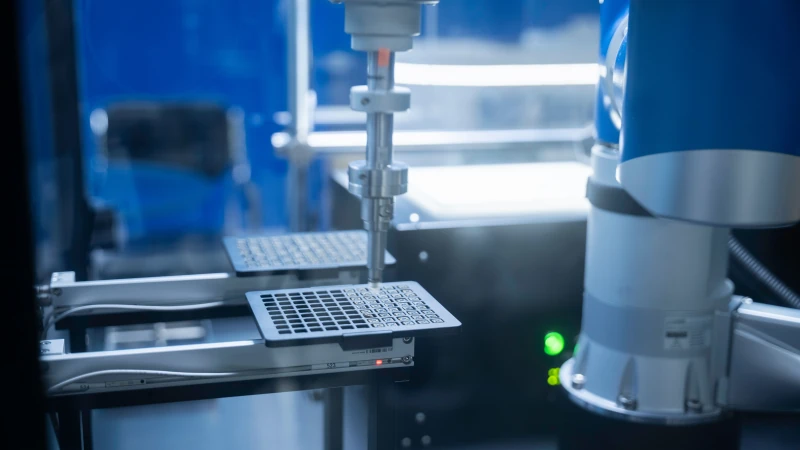
Pharmaceutical Manufacturing Process: Complete Guide
1.What is Pharmaceutical Manufacturing Process
The pharmaceutical manufacturing process is a complete set of production and quality control systems. It turns active pharmaceutical ingredients (API) and excipients into finished medicines through standard and validated steps. It covers raw material handling, dosage form preparation, in-line quality checks and finished product packaging. Its main goal is to make medicines safe, effective and consistent in quality.
The process includes unit operations like chemical reactions, biological fermentation, powder mixing, granulation and tablet pressing. You must record all parameters, machine operations and material flows in documents, and you can trace every step. The whole system must follow GMP, ICH guidelines and 21CFR rules. You need to finish DQ/IQ/OQ/PQ process validation.
Most factories used batch production in the past. With Pharma 4.0 developing, PAT (Process Analytical Technology) and MES systems are widely used. They implement the QbD (Quality by Design) concept. This helps turn lab formulas into stable and compliant commercial medicines.
2.Two Main Stages of Pharmaceutical Production
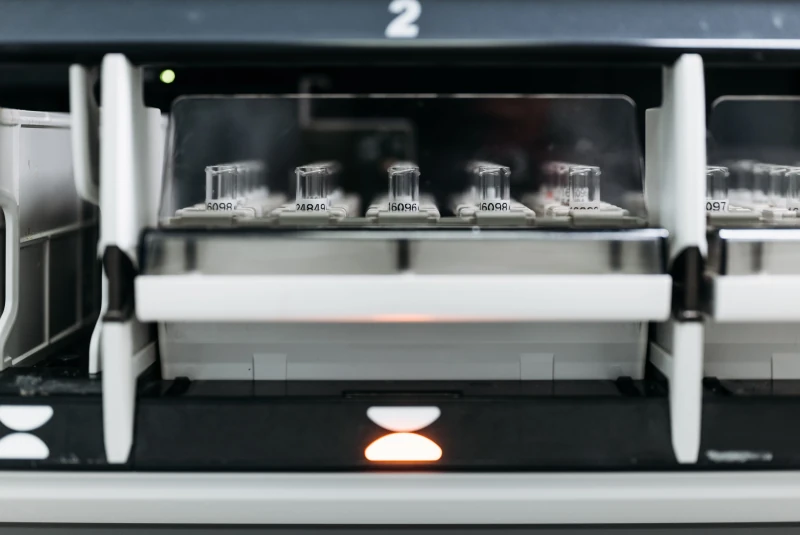
Pharmaceutical production consists of two main core stages: API manufacturing and dosage form production. These two essential stages operate as relatively independent production sections with separate processing standards and technical requirements, yet they cooperate closely with one another throughout the entire manufacturing workflow. Neither stage can function independently to produce qualified medicines. Working together in a complete industrial chain, they systematically transform original chemical or biological raw starting materials into standardized, safe, and usable finished medicines that meet industrial specifications and are fully ready for formal clinical application and public medication use.
Stage 1: Active Pharmaceutical Ingredient (API) Production
You create active drug substances by means of chemical synthesis, biological fermentation or plant extraction technologies. Common unit operations in this phase cover reaction, separation, purification, crystallization and drying. During this production stage, you primarily monitor and control impurity levels, crystal forms and product purity. You must complete full process validation activities so you can produce qualified API powder that fully meets official pharmacopoeia standards.
Stage 2: Dosage Form Production
You mix API with proper excipients. Then you carry out mixing, granulation, tablet pressing, coating or filling according to different dosage forms. You make tablets, capsules, injections and other clinical medicines. After that, you finish primary and secondary packaging. The dosage form stage has strict controls on clean room environment, powder mixing and content uniformity. It keeps the final medicine stable.
API production makes the active drug substance. Dosage form production gives the medicine a proper shape and route of administration. Both stages follow GMP rules. You keep full records of materials and process data to trace every batch.
3.Main Pharmaceutical Production Processes
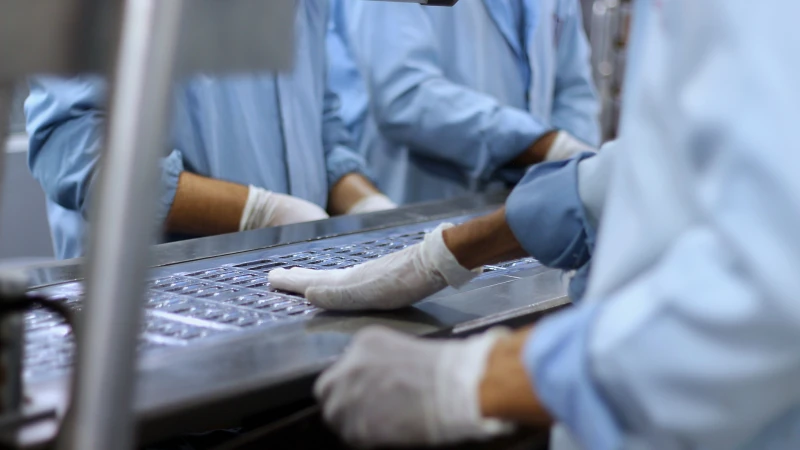
Pharmaceutical factories use two mature production modes: batch production and continuous production. 3D printing additive manufacturing is a new technology. Batch production is the most common method. You feed materials by separate batches, run unit operations and take samples for tests between batches. Machines go through CIP/SIP cleaning. Its process validation system is well-developed. It works well for many kinds of products and small or medium batches.
For continuous production, you use PAT. Materials keep being fed into the system. The system adjusts parameters in real time. It cuts down the waiting time of intermediate materials and reduces quality differences between batches. Pharmaceutical 3D printing can make personalized doses and special structures for controlled drug release. All these processes follow the QbD concept. You complete DQ/IQ/OQ/PQ validation and meet GMP rules to guarantee uniform medicine content and stable quality.
4.Key Steps in the Whole Pharmaceutical Production
The full pharmaceutical production covers raw material acceptance, process preparation, in-process quality control, finished product packaging, storage, distribution and post-market pharmacovigilance for the whole product life cycle. When raw materials arrive, you test and approve them. You make sure their key quality attributes meet pharmacopoeia standards.
Next, you refine API, mix powder, make granules, press tablets or fill liquids. You use PAT to monitor the process online and address process deviations quickly. You test intermediate products and finished goods through physical, chemical and microbial tests. QA teams check batch records before releasing products.
You sterilize, code and pack medicines. Then you store and deliver them under controlled conditions. After sales, you collect adverse reaction data through pharmacovigilance (PV). This builds a complete quality traceability loop.
5.Compliance and Regulation System in the Pharmaceutical Industry
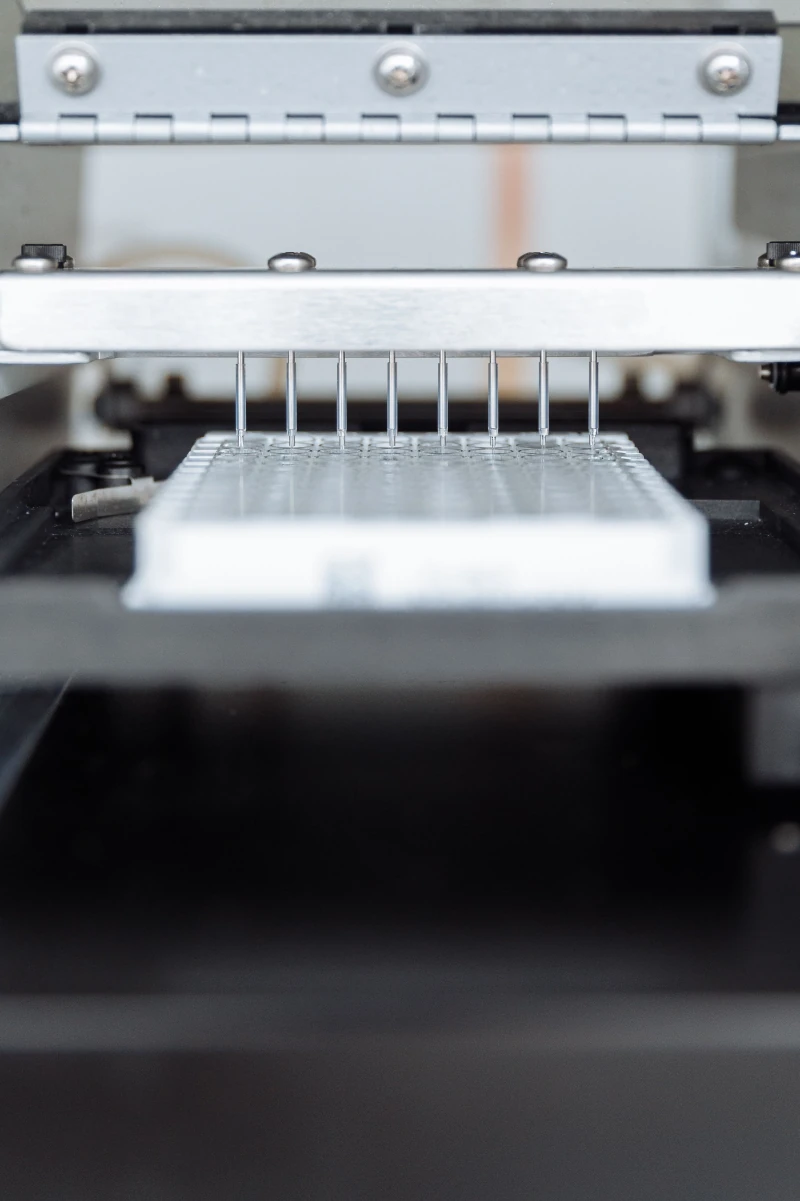
The pharmaceutical industry uses a compliance system centered on quality risk management. Medicines work directly on human bodies. Process changes, contamination or excessive impurities may cause serious safety problems. So strict rules control all production activities.
This system includes ICH harmonized guidelines, GMP (five pillars: people, buildings and facilities, equipment, materials, documents) and US 21CFR rules. Drug factories must follow QbD. They must complete DQ/IQ/OQ/PQ validation and manage batch records, deviations and changes.
You must trace all production activities. Drug regulators can audit factories to make sure medicine quality, safety and effectiveness always meet legal standards.
6.Pharmaceutical Equipment: Ways to Improve Production Efficiency
Special pharmaceutical machines are key tools to raise production efficiency. They include powder processing equipment, main dosage form machines and packaging machines. Granulators, Mixing Machines and Pulverizer Machines handle raw materials. They improve powder flow and mixing uniformity. Tablet Compression Machines and filling machines automate medicine making and reduce human errors.
Supporting packaging machines seal, code and sort products to keep the production line running smoothly. These machines support CIP/SIP cleaning and sterilization. They cut downtime when factories change products. MES systems collect process data from machines. All equipment undergoes DQ/IQ/OQ/PQ validation. They meet GMP rules, reduce material waste, improve OEE (Overall Equipment Effectiveness) and keep stable batch quality.
7.Core Challenges of Modern Pharmaceutical Production
Modern pharmaceutical production faces many difficulties. Traditional batch production cannot easily change its setup. Upgrading production lines costs a lot of money and takes a long time. Global supply chains are complex. Changes in raw material supply may stop production and cause medicine shortages.
Production may have process deviations and cross-contamination risks. If key quality attributes go out of specification, factories may have to recall products and face heavy compliance losses. Regulations keep updating. Factories need quality risk management and maintain valid status of DQ/IQ/OQ/PQ validation. Drug makers must balance quality control, process stability and production costs under GMP rules. They need to supply medicines steadily for commercial use.
8.Pharma 4.0: Digital Solutions to Optimize Production
Pharma 4.0 uses digital tools to improve pharmaceutical production. It builds smart production lines with PAT, chemometrics, MES and AI data analysis. PAT monitors key quality attributes online. With chemometric models, the system judges production status in real time and reduces offline sampling work.
MES systems record materials, batch records and machine data electronically for full traceability. AI models alert operators of process deviations and optimize parameters automatically. This method implements the QbD concept. It reduces quality gaps between batches and reduces manual work. This digital upgrade meets GMP requirements. It shortens production cycles and improves process stability and quality risk management.
9.FAQ
Q1: What are the three types of pharmaceutical production?
Batch production, continuous production and 3D printing additive manufacturing. Batch production is the most widely used method now.
Q2: What are the full steps of pharmaceutical manufacturing?
Raw material acceptance, API manufacturing, dosage form processing, in-process quality control, finished product testing, packaging and release, storage and distribution, and post-market pharmacovigilance.
Q3: What is the function and meaning of 21CFR in the pharmaceutical industry?
It is Title 21 of the US Code of Federal Regulations. It sets rules for electronic records and electronic signatures. It offers legal compliance support for drug factories to use digital production records.
Q4: What are the five core pillars of GMP?
People, buildings and facilities, equipment, materials, documents and records. They form the basic framework of good manufacturing practice for medicines.
Q5: What are different types of pharmaceutical manufacturing?
By production mode: batch production and continuous production. By product type: API manufacturing and dosage form production.
Q6: What is the main use of pharmaceutical packaging equipment?
It seals and protects medicines, prints codes and marks. It prevents contamination, keeps medicines stable during storage, and supports full product traceability.
Q7: What is the main difference between batch production and continuous production?
For batch production, you feed materials, produce and clean machines by separate batches. For continuous production, materials keep being fed. The system monitors online and makes finished goods nonstop. It takes less production time.
10.Conclusion
This article systematically introduces the complete pharmaceutical manufacturing process, covering its core definition, two key production stages, mainstream processing modes and standard operating procedures. It elaborates on industry compliance rules, supporting equipment, existing challenges and digital upgrading solutions of Pharma 4.0. Combining strict GMP regulations and QbD concepts, modern pharmaceutical production ensures standardized, traceable and stable medicine manufacturing. While facing supply chain and technical limitations, the industry achieves continuous optimization through digital technology, balancing safety, quality and production efficiency for sustainable commercial drug supply.
Related Posts
2 Comments
Leave a Reply
GMP Compliant Design
Comply with GMP standards, featuring easy-to-clean surfaces and validation-ready documentation.
On-Time Delivery
Reliable lead times for standard and custom equipment, supporting your production launch without delays.
Professional After-Sales
Global technical support and on-site installation/training to ensure long-term stable operation.
[…] Calibration covers the whole process of R&D, production and QC, including process equipment, analytical instruments and environmental monitoring instruments. It serves as the basic work for pharmaceutical companies to implement quality risk control and ensure the stability of drug quality throughout pharmaceutical manufacturing processes. […]
[…] During the whole equipment lifecycle, you trigger revalidation for changes or major repairs. You keep all validation files even when equipment stops working or is retired. You follow the ALCOA+ data integrity principles all the time. All validation work stays auditable and traceable to support GMP compliance inspections for pharmaceutical manufacturing processes. […]