If you wonder where to buy pharmaceutical production machines, you face a tough problem. This purchase is never casual. It decides whether you meet industry rules, keep machines running well, and control costs successfully.
Choose the wrong machines, and official inspections stop, equipment tests fail, production loses money nonstop. Suppliers shift blame to each other, and project schedules fall far behind reasonable time limits.
Industry guidance papers from 2025 point out that your choice of machines directly decides if your factory can follow GMP rules and stay stable for years.
Core Points: Places to Buy Pharmaceutical Production Machines
- Machine Types: Pick tablet presses, granulators, sterilizers and freeze dryers. These meet production needs and GMP standards.
- Supplier Qualifications: Check FDA and CE certificates first. Make sure suppliers can finish IQ/OQ/PQ tests and protect complete production data before you buy anything.
- Cost vs Quality: Calculate the full cost of using a machine for its whole life. Include installation fees, repair fees, power costs and worker training costs. Compare this total cost with how reliably the machine works for many years.
- Global Buying Areas: You can work with EPC companies in North America, original machine makers at European industry exhibitions, system integrators in Asia-Pacific, second-hand machine agents in Latin America, and EPC service providers in the Middle East.
Three Main Machine Types You Must Learn
Understand these core machines clearly. You will buy pharmaceutical production machines wisely and save money. This simple guide introduces necessary equipment and helps your buying plan work well.
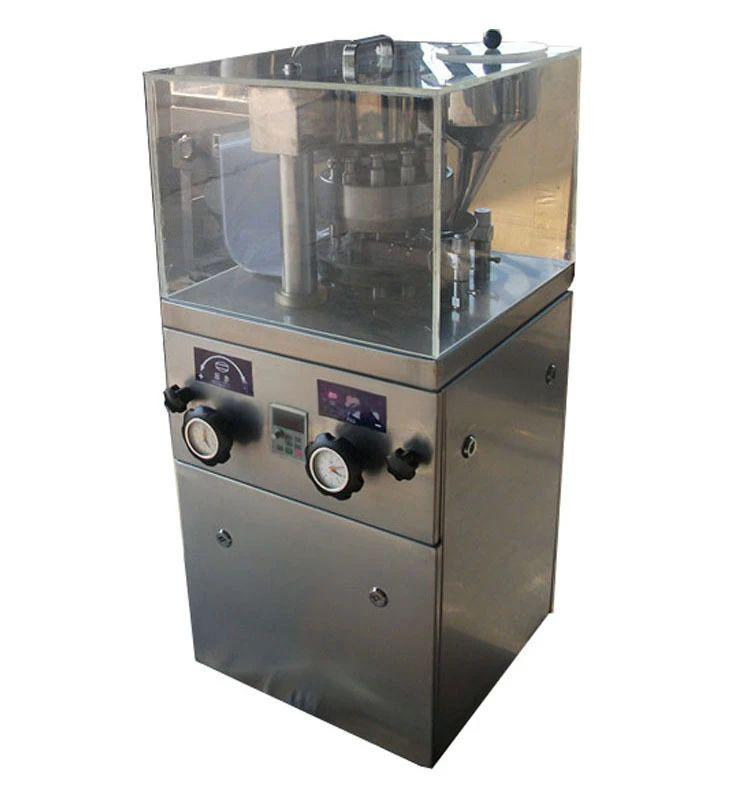
Tablet Presses & Capsule Filling Production Lines
These machines form solid medicine pills and capsules. Their working steps are below:
- Feed materials: Material frames and feeders send powder steadily. Pre-pressing makes powder neat and flat.
- Press pills: Machines press powder into tablets with controlled force. Molds and punches shape every tablet.
- Finish processing: Dust cleaners remove tiny powder pieces. Online weight detectors throw away unqualified tablets automatically.
Simple capsule production steps: fill capsules → lock capsule shells → polish capsules → check capsule quality.
A 2025 manufacturing report from IQVIA says solid medicine factories now prefer fast connected production lines with real-time monitors.
Most buyers look for stable tablet machines plus automatic systems when they shop for pharmaceutical equipment. Factories connect PLC and PAT systems together. Production can grow larger without changing medicine quality.
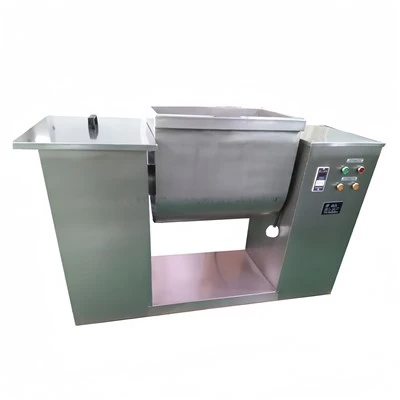
Granulators, Mixers & Drying Machines
Follow these rules to choose proper pharmaceutical machines:
- Make granules: High-speed granulators create tight, evenly sized grains. Fluid bed machines make and dry granules in one machine.
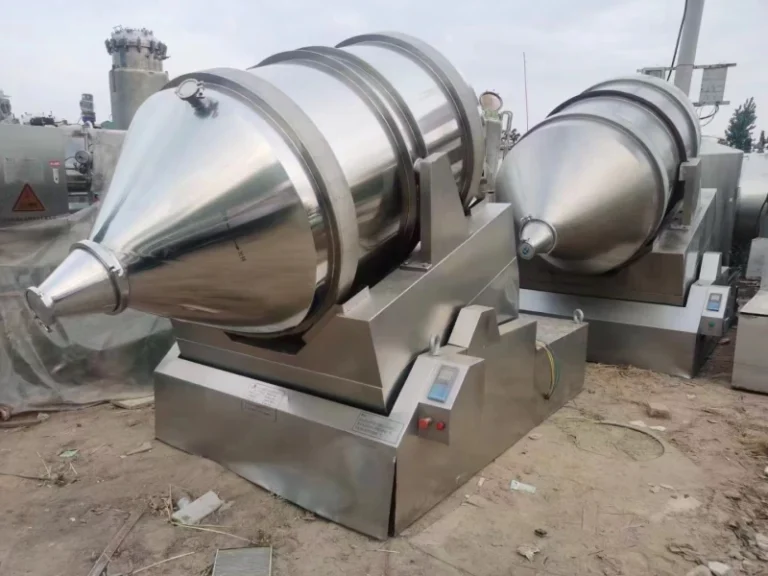
- Mix powder evenly: Conical mixers blend powder gently to reach even mixing results.
- Dry materials: Vacuum dryers suit medicine materials damaged easily by heat. PAT tools check when materials finish drying.
Simple rules:
- Good mixing keeps every pill’s medicine amount the same.
- Stable drying keeps powder easy to press into tablets.
Compare full connected production lines and single machines before you buy. The total cost during the machine’s whole life matters more than its selling price.
Aseptic Production Machines: Sterilizers to Freeze Dryers
Sterile medicine production steps:
- Prepare containers: Wash medicine bottles → remove heat sources inside bottles.
- Sterile production core: Use sterilizing machines and isolation boxes. Workers fill medicine into bottles inside clean rooms to avoid pollution.
- Final treatment: Freeze-dry medicine, seal bottle mouths, cap bottles and check finished products.
Key rules:
◆ Closed production systems lower pollution risks.
◆ Environment test results decide if finished medicine can enter the market.
Factories buying sterile production lines need suppliers who can complete full equipment tests. Complete sets of sterilizers and freeze dryers simplify qualification work and make official GMP inspections smoother.
How to Check Supplier Certificates & Rule Compliance
Buying pharmaceutical machines focuses on trust and safety, not only low prices. Good suppliers help you avoid rule-breaking troubles later.
Check FDA Rules & CE Certificates
- Look up FDA records for each machine model.
- Confirm CE certificates follow European official rules.
- Ask suppliers for written papers to prove they follow global industry standards.
- Record certificate numbers, check them on official websites and confirm valid time and usage ranges.
A 2025 industry compliance report from Deloitte states clear rule documents have become one of the three most important factors when factories pick suppliers. Reliable suppliers show real certification files instead of only advertising brochures.
Check GMP Rules & IQ/OQ/PQ Test Plans
Following GMP rules is a basic requirement for medicine factories, not an extra choice. Suppliers must provide written IQ/OQ/PQ test records instead of empty promises.
Test steps go in this order:
- IQ (Installation Qualification): Check if workers install machines according to design standards.
- OQ (Operation Qualification): Test machines’ working limits safely.
- PQ (Performance Qualification): Prove machines make qualified medicine steadily every day.
Ask suppliers for test templates before you place orders. Many suppliers attach complete test plans with equipment delivery.
Tell the Difference Between Machine Factories & Professional Distributors
- Direct manufacturers allow custom changes and control production details.
- Professional distributors supply goods flexibly and deliver machines faster.
Judge suppliers by their long-term after-sale service and professional skills. A supplier’s professional ability matters more than how many machine types it sells.
Many buyers ignore mixed-type suppliers. These suppliers own manufacturing experience and flexible supply advantages like distributors.
Check Data Integrity & EHS Standards
- Data integrity rules: machines record every operation and lock system access to stop illegal changes.
- EHS standards: protect workers’ safety and control waste gas pollution.
Test these two parts carefully:
- Machine system: access control functions, automatic log backups.
- Workshop environment: ventilation systems, dangerous waste disposal methods.
Trusted pharmaceutical machines create trustworthy production data. Strict checking and full traceability make official inspections easy and stress-free.
Balance Cost and Quality to Find the Best Choice
Balancing spending and machine performance is not just counting money. It stops factories from feeling regret later. Many buyers choose the cheapest machines at first, but machine breakdowns create bigger costs afterwards. The smart method considers total lifetime cost, stable performance and real production situations together.
Cost Analysis
Do not only focus on the price tag of machines. Calculate all spending during use: power bills, worker wages and repair costs. Plan maintenance fees in advance instead of fixing broken machines suddenly.
Operating steps:
- Make budgets based on the whole service life of machines, not only the buying cost.
- Compare different suppliers before you decide where to buy equipment.
- Calculate long-term profit growth brought by stable machine operation.
Judgment process:
- Test machine power consumption to judge economic benefits; count spare part costs to predict maintenance spending.
- Check installation ranges to find hidden fees; calculate training costs to know daily operation expenses.
- Sum up lifetime cost curves to measure total ownership cost.
Important tip: Cheap pharmaceutical machines usually cost more to repair later. Equipment with complete after-sale service lowers total spending in the long run. Include service agreements in your cost calculation.
Quality Inspection
Main inspection items:
- Rule compliance: whether machines match GMP production needs.
- Stability: whether machines work well under full workloads.
- Durability: how long machines can keep working normally.
Inspection steps:
- Use test documents to confirm manufacturing precision.
- Produce many batches of medicine to test stable production quality.
- Collect real working data from factories using the same machines to judge service life.
Quality structure breakdown:
- Compliance part: complete documents support official inspections; operation logs keep production stable.
- Performance part: steady output meets production goals; low failure rates prove machine reliability.
- Structure part: qualified raw materials guarantee standard production; wear-resistant parts extend machine service life.
Conclusion for quality selection: High-quality machines keep medicine consistent and speed up official approval processes. The best supplier never offers the lowest price, but keeps machines working within standard requirements every single day.
Global Regions for Pharmaceutical Equipment Purchase
Many areas sell pharmaceutical production machines, and each area has unique supply styles. This practical guide introduces major sourcing regions.
North America: EPC Companies & B2B Online Trading Platforms
EPC companies finish whole factory construction and equipment purchasing together. Factories also buy machines through legal online platforms and supplier lists. Mature construction management technology ensures all equipment follows industry rules.
Buying steps: set machine types, automatic levels and production capacity → search suppliers on verified websites → select EPC companies → check certificates and delivery time.
Feature: Machines from North America cost more, but they run reliably and meet FDA standards directly.
Europe: Original Equipment Makers at Industry Fairs
Advantages: Buyers talk directly with machine manufacturers and watch real machine demonstrations at exhibitions.
Whole process:
- Research supplier information before fairs and book meetings with factory salesmen early.
- Compare new technology and test machines in person during exhibitions.
- Fix prices and custom requirements after exhibitions end.
Regional features: European machines carry precise craftsmanship, manufacturing technology is advanced, and meeting people at trade shows creates valuable business connections.
Asia-Pacific Area: System Integrators & Professional Distributors
This area balances low costs and flexible supply cycles.
| Country | Average Cost Index | Lead Time (Weeks) | After-sales Support Level |
|---|---|---|---|
| China | 0.7 | 6–10 | High |
| India | 0.6 | 8–12 | Medium |
| Japan | 1.1 | 10–14 | High |
| South Korea | 0.9 | 8–11 | High |
| Vietnam | 0.5 | 10–16 | Growing |
Buying process: purchase via distribution networks → evaluate local professional integrators → confirm system integration scope and technical consulting service → arrange installation and local after-sales service.
Scalable production lines make suppliers popular choices in the Asia-Pacific market.
Latin America: Second-hand Machine Agents & Debugging Service Teams
Second-hand machines reduce early investment costs. Agents trade used equipment quickly, and refurbishment work extends machine service life.
Purchase flow: check machine stock → test machine conditions on site → finish installation and debugging → complete production performance tests.
Core idea: Cost control comes first. Maintenance service matters more than famous brand names. This sourcing method works perfectly for factories with limited budgets.
Middle East & Africa: EPC Providers & Customization Service Companies
Most local pharmaceutical projects use custom-made production lines. Service teams provide engineering design and purchasing management together. They focus on factory construction and local regulatory compliance.
Project steps: plan projects and set production targets → cooperate with construction teams → build customized equipment during construction → ensure machines fit local rules after installation.
Buyers in emerging markets often choose flexible customized production system suppliers.
Summary Paragraph
Buying pharmaceutical processing equipment is never a simple shopping task. Factory owners must focus on three core parts: equipment types matching pharmaceutical production needs, legal supplier certifications to pass global medical inspections, and lifetime cost instead of one-time selling price. Different global regions have their own advantages for buying machines: North America provides stable FDA-compliant equipment, Europe offers high-precision original manufacturing machines, Asia-Pacific balances cost and performance, Latin America suits budget buyers with refurbished devices, and Middle East & Africa specializes in customized factory solutions. No matter which area buyers choose, they should always prioritize complete verification systems, full data traceability and reliable after-sales service. These key points prevent production shutdowns, audit failures and extra hidden costs, helping pharmaceutical factories operate safely and legally in the long term.
You may like
Drug manufacturing equipment list
Glossary (Term Explanation)
- GMP (Good Manufacturing Practice) The global basic production rule for medicine factories, which controls every step to make safe, qualified drugs.
- FDA (Food and Drug Administration) The official American organization that checks and approves medicine and medical machine safety.
- CE Marking A safety certificate for products sold inside European countries.
- IQ/OQ/PQ Three sets of tests to confirm pharmaceutical machines work normally: IQ = Installation Qualification (check correct installation) OQ = Operation Qualification (test safe working range) PQ = Performance Qualification (prove stable mass production)
- PLC (Programmable Logic Controller) A small industrial computer that controls automatic production lines.
- PAT (Process Analytical Technology) Real-time testing tools to monitor medicine quality during production.
- EPC (Engineering, Procurement, Construction) Full-service companies that design factories, buy equipment and finish construction entirely.
- EHS (Environment, Health, Safety) Management rules to protect the environment, workers’ health and workshop safety.
- SCADA/MES SCADA collects machine running data; MES manages the whole production schedule in factories.
- Aseptic Production Produce medicine in completely clean environments to avoid bacterial pollution.
Source
- IQVIA. 2025 Global Pharmaceutical Manufacturing Outlook Report
- Deloitte. 2025 Manufacturing Compliance Industry Brief
- 2025 Pharmaceutical Equipment Industry Guidance Document