Arc Fault Protection: Why It Is Critical for Electrical Systems
Sometimes also called arc flash protection, arc fault protection rapidly detects and isolates arcing faults to avoid electrical fires, equipment burnout and power outages, and is essential safety equipment for all electrical systems.
Hazards of Arc Flash in Power Systems
Personal Injuries
Arc flash generates extreme high temperature from 3,000℃ to 20,000℃, leading to severe burns, eye damage from intense light, blast impact injuries and toxic fume poisoning.
Equipment Destruction
High heat melts busbars, cable insulation and switchgear components. Huge short-circuit current burns out breakers and transformers, resulting in equipment scrapping.
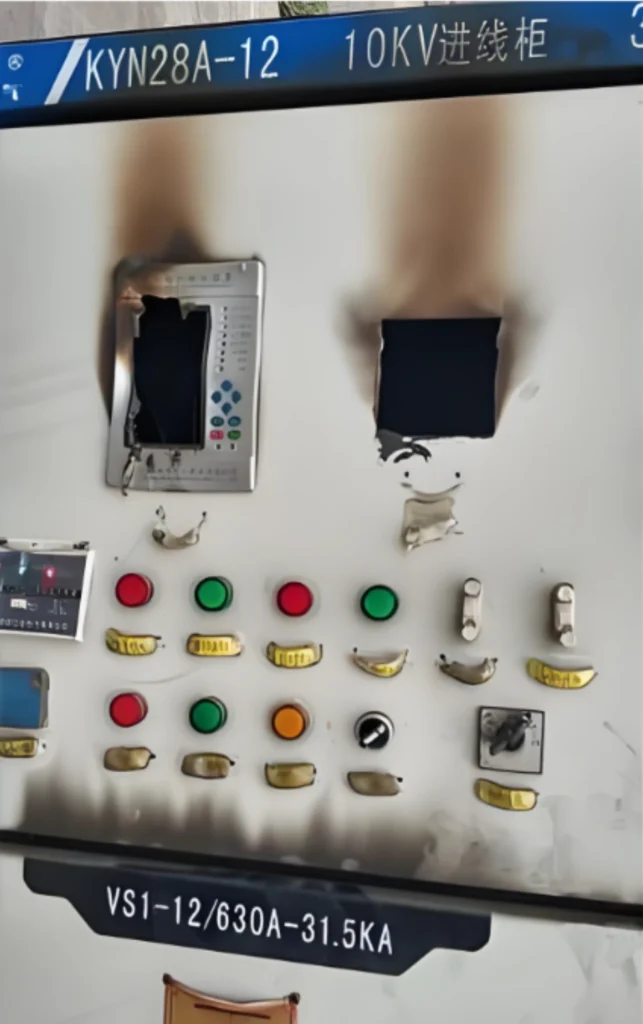
Power Outage Losses
Arc short-circuit causes unwanted cascading tripping, leading to blackouts and shutdown of industrial plants, PV stations and data centers with heavy economic losses.
Secondary Disasters
High temperature ignites combustibles inside cabinets and triggers fire accidents in power distribution rooms.
What Is Arc Fault Protection ?
Arc fault protection, with dedicated arc fault protected devices, is a technology that detects electrical arcs early and stops them from developing into severe accidents.
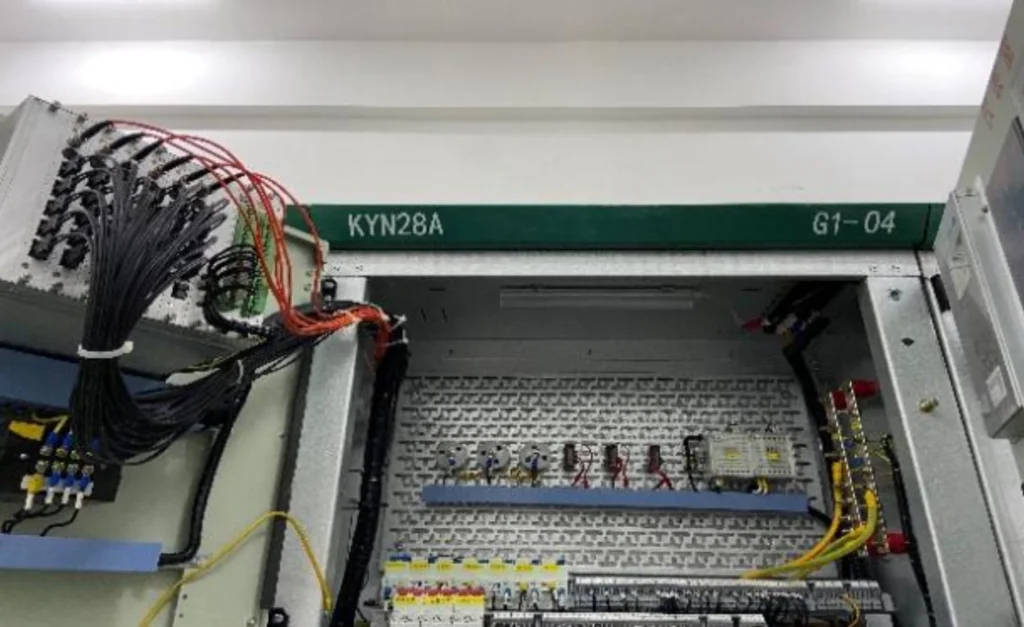
An electrical arc forms when electric current arcs across air between conductors or to earth, generating extreme heat over 20,000°C, while arc fault protection devices detect such arcs to avoid equipment damage, fire risks and personal hazards.
Unlike traditional relays that monitor only current or voltage, arc fault protection systems combine optical detection, current verification, and ultra-fast trip logic. This allows the system to detect the arc itself rather than waiting for the current to exceed a threshold, which can prevent severe damage.
Arc fault protection requirements
Overseas Standards
IEC: IEC62271-200 (IAC internal arcing test), IEC60947-9-2 (optical arc protection), IEC61641 (switchgear arcing test).
ANSI/IEEE: IEEE C37.20.7 (MV switchgear arc resistance), IEEE 1584 (arc flash energy calculation), NFPA70E (site arc safety).
Mandatory Installation Requirements
North America: Dual-criterion arc protection (light + current) is required for ≤35kV air-insulated switchgear without bus differential protection, power plant auxiliary systems, large industrial & commercial distribution rooms, and PV booster stations. Switchgear must pass IAC internal arcing type tests.
Middle East (DEWA/SECO): Arc protection is mandatory for industrial substations over 5MVA and new prefabricated substations, with switchgear complying with IEC62271 arc-resistant requirements.
Europe: Arc protection shall be installed for busbars and switchgear in power plants, data center substations and high-risk chemical distribution facilities.
Core Technical Parameters
Optical threshold: 1~10mW/cm² (anti-light interference).
Tripping speed: ≤10ms (single light criterion); ≤20ms (light + current dual criterion).
Current setting: 0.6~6×In, ensuring no false tripping under no-load conditions.
Communication: IEC61850 protocol for smart substation system compatibility.
Why traditional protection relays aren’t enough
Overcurrent relays and earth fault relays react only after fault current reaches a set level. Many arc faults generate currents below this threshold initially, delaying the trip and increasing the risk of fire or equipment damage.
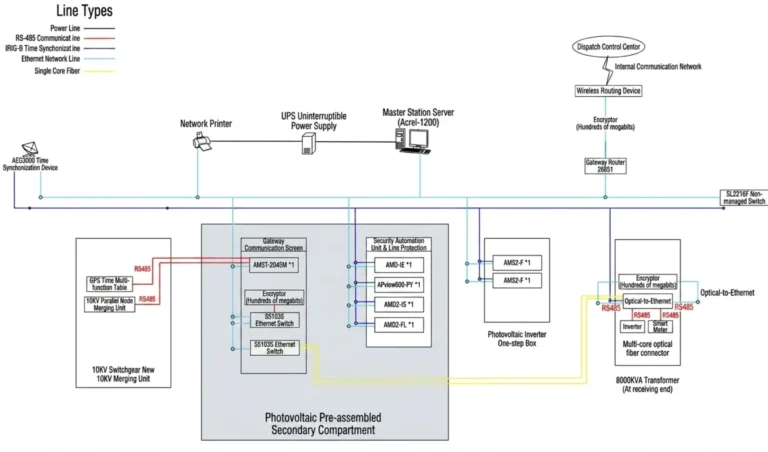
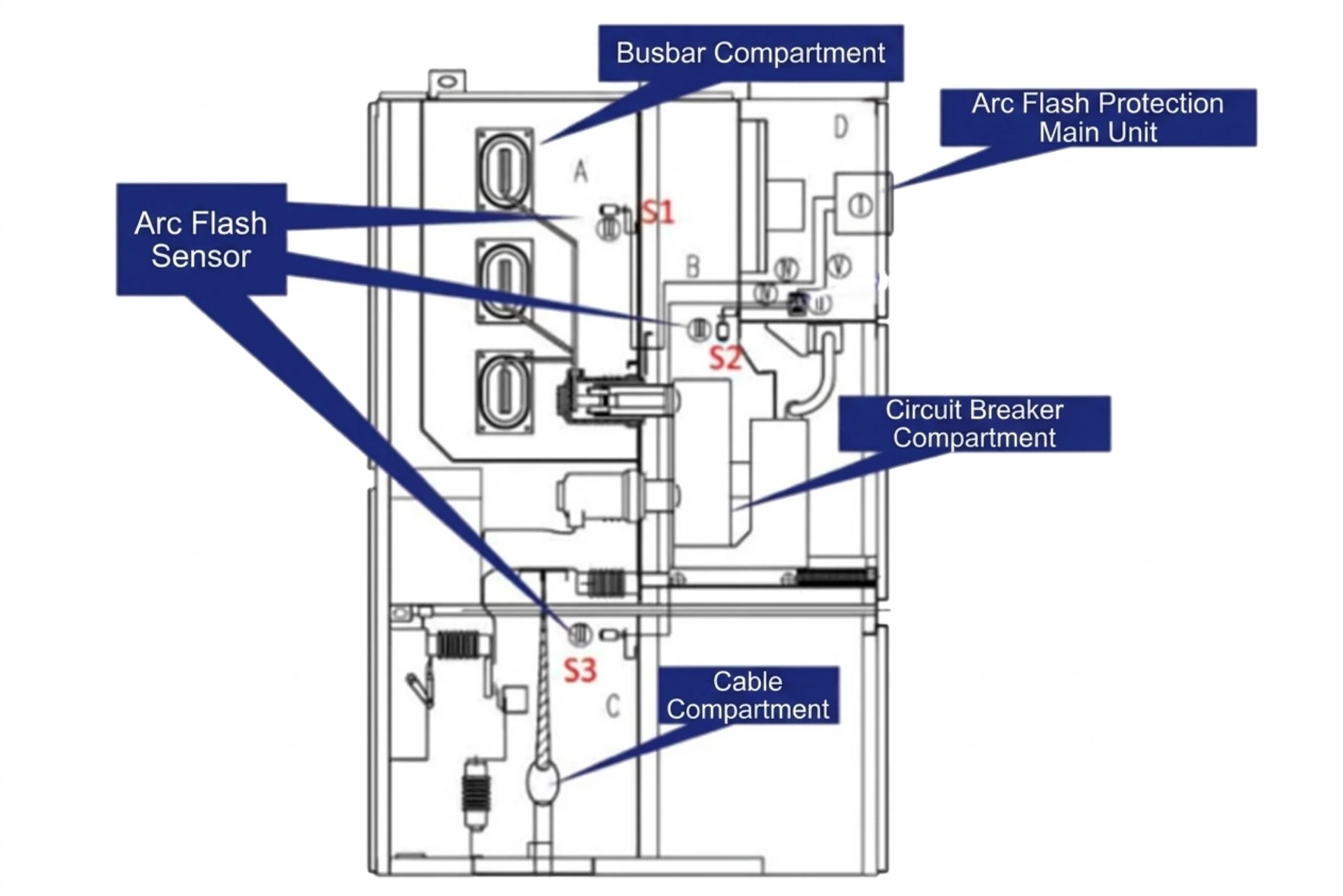
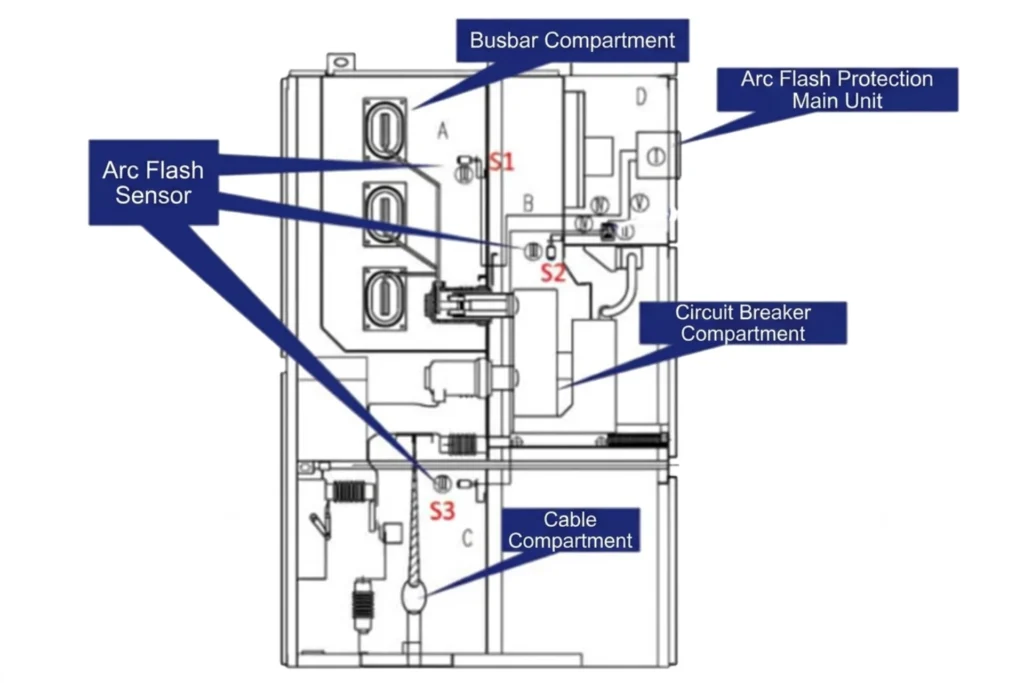
Hence, arc fault protection devices are required to be retrofitted in numerous projects. Typical system diagrams are shown below:
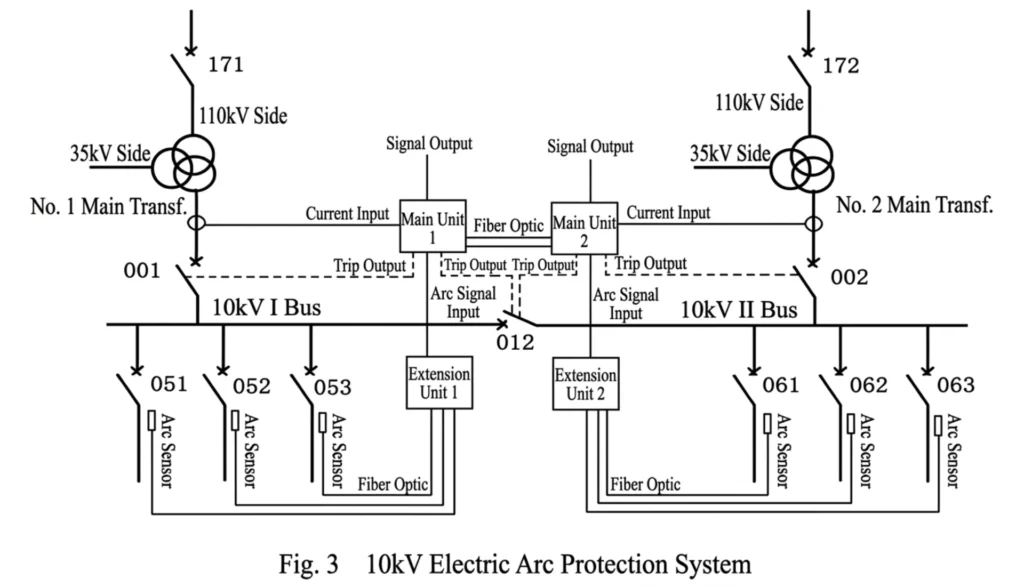
Differences Between Arc Fault Protection Relay and Conventional Protection
| Protection Type | Detects |
|---|---|
| Overcurrent Relay | Excess current only |
| Earth Fault Relay | Ground faults |
| Arc Fault Protection | Electrical arcs, arc flashes |
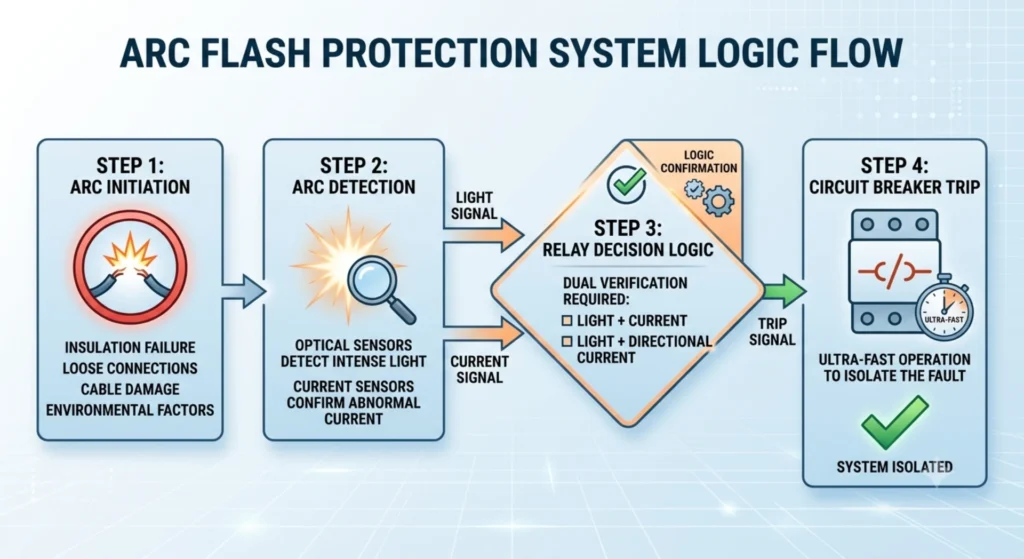
How does arc fault protection work
Step 1: Arc Initiation
Causes: insulation failure, loose connections, cable damage, environmental factors
Step 2: Arc Detection
Optical sensors detect intense light
Current sensors confirm abnormal current
Step 3: Relay Decision Logic
Dual verification: light + current / light + directional current
Step 4: Circuit Breaker Trip
Ultra-fast operation to isolate the fault
Customer question: “Why did an arc fault occur in a newly installed panel?”
Often, even minor installation errors or environmental factors can trigger arc faults, emphasizing the need for dedicated protection.
Benefits
- Reduces equipment damage
- Improves personnel safety
- Prevents system downtime
Common Causes of Arc Faults
| Fault Category | Specific Fault/Risk Items |
|---|---|
| Mechanical | Loose busbars, cable terminations |
| Electrical | Insulation breakdown, overheating |
| Environmental | Moisture, dust, condensation |
| Human Factors | Maintenance errors, wiring mistakes |
Where is arc fault protection required
| Application Field | Core Protection & Detection Function |
|---|---|
| Solar PV Systems | 1. DC arc fault detection2. Inverters and combiner box protection |
| Industrial Switchgear | Internal arc protection for medium-voltage equipment |
| Substations | Busbar and cable compartment protection |
| Data Centers | Critical power system protection |
Main Features & Installation of Arc Fault Protection System
Features
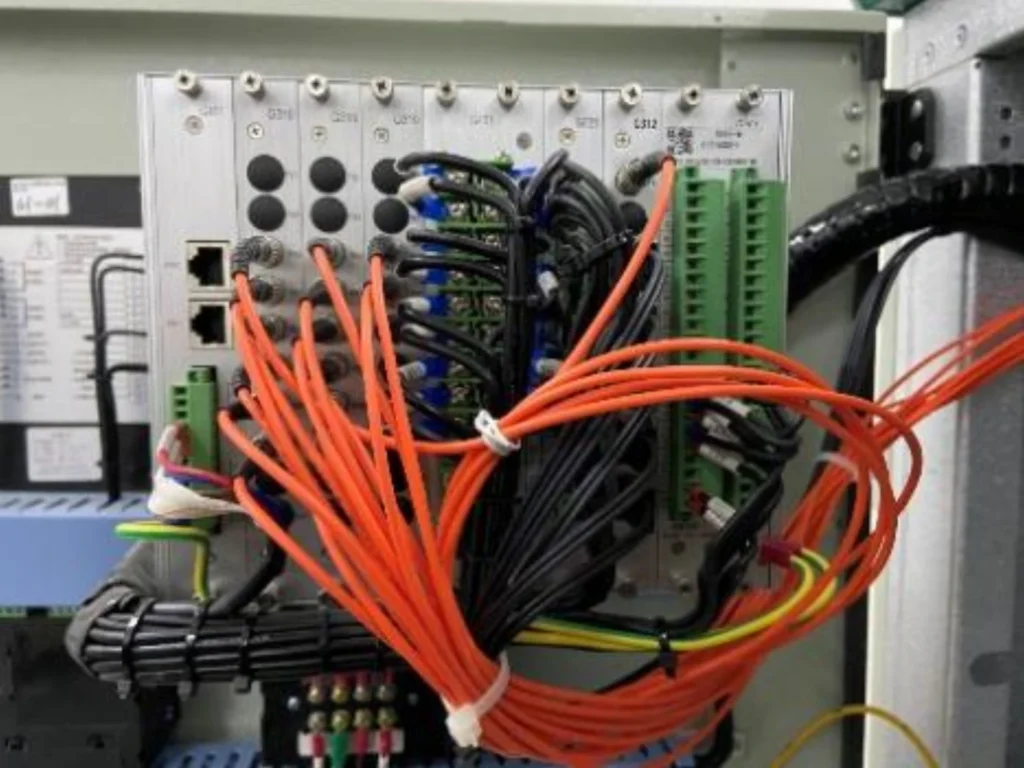
Ultra-fast detection (<10 ms) Multiple optical sensors for wide coverage Current verification to reduce false trips Communication protocols: Modbus, IEC 61850, Profibus Event recording and diagnostics Self-monitoring and health check
Field Mounting
How to Select Arc Fault Protection
System voltage: low, medium, high
Protection zone size: single compartment, full switchgear lineup
Sensor quantity and placementEnvironmental conditions: indoor/outdoor, industrial
SCADA integration and communicationFuture scalability for additional sensors or network expansion
Troubleshooting Common Problems
False Arc Fault Alarms:
Causes: dirty sensors, reflected light, incorrect settings
Solutions: clean sensors, adjust placement, verify settings
Relay Fails to Detect Arc Fault:
Causes: faulty sensor, incorrect installation, disabled logic
Solutions: test sensors, check relay configuration
Communication Failures:
Causes: network configuration errors, cable damage, protocol mismatch
Solutions: verify network, inspect hardware, update firmware
FAQ
Do bathroom lights need to be arc fault protected?
Per NEC, bathroom lights need no mandatory AFCI, but bathroom outlets require GFCI. AFCI may be added optionally for fire protection.
How fast should it operate?
Modern systems detect arcs in 1–10 milliseconds and trip breakers immediately.
Can it prevent electrical fires?
Yes, early detection significantly reduces fire risk.
Are arc fault protection systems required in solar PV?
Many installations use them to meet safety standards and reduce fire risk.
How many sensors are needed?
Depends on system size and layout. Large systems often need multiple sensors.
Can it integrate with SCADA systems?
Yes, most modern relays support Modbus, IEC 61850, and other protocols.
What causes nuisance trips?
Commonly: incorrect settings, sensor contamination, external light interference.
How often should the system be tested?
Annual testing is recommended, depending on local standards.
Conclusion
Arc fault protection is now essential for modern electrical systems. By detecting arcs within milliseconds and isolating the fault, these systems protect personnel, reduce equipment damage, improve system reliability, and ensure compliance with safety standards.
Whether in solar farms, industrial plants, substations, or data centers, installing and maintaining proper arc fault protection is a smart investment that safeguards both people and equipment.