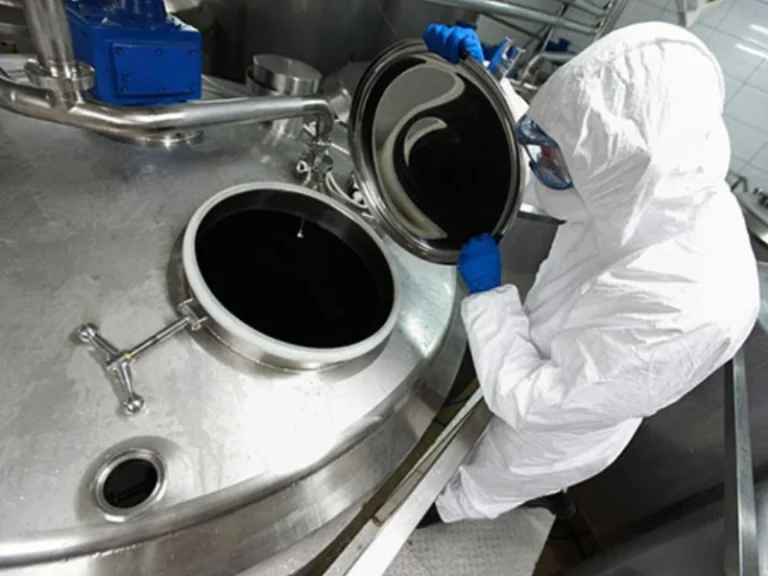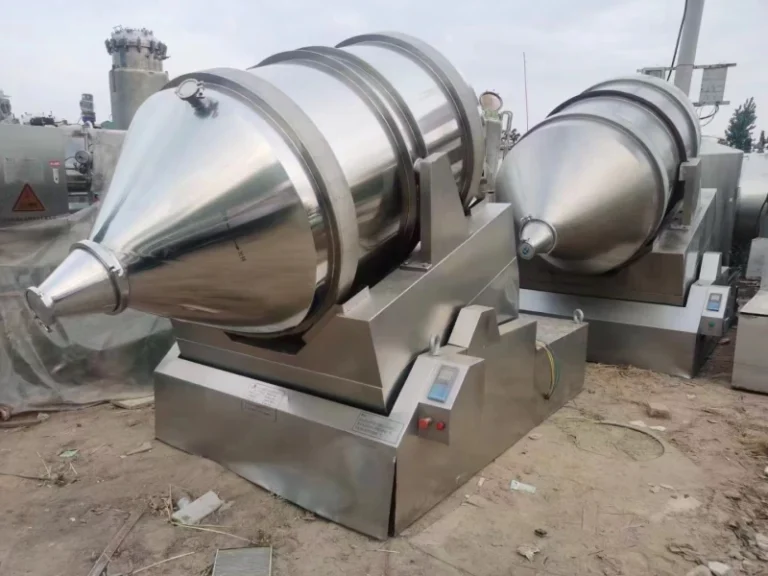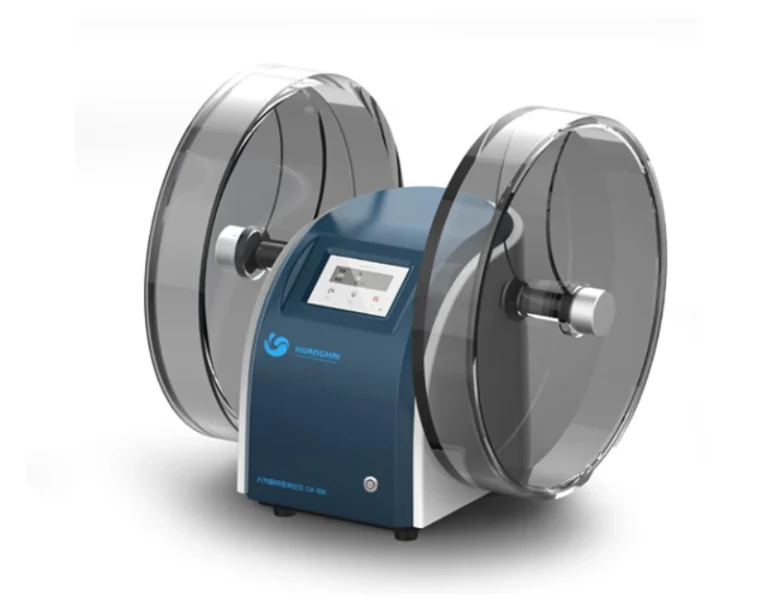
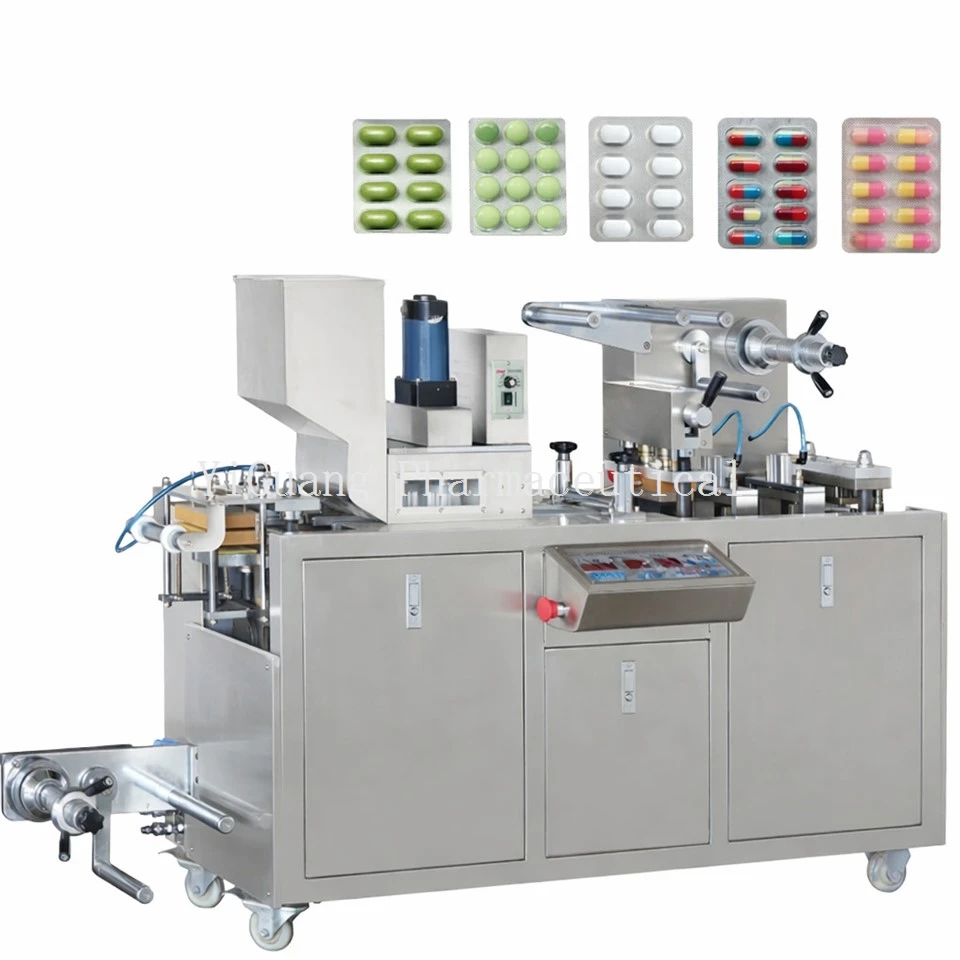
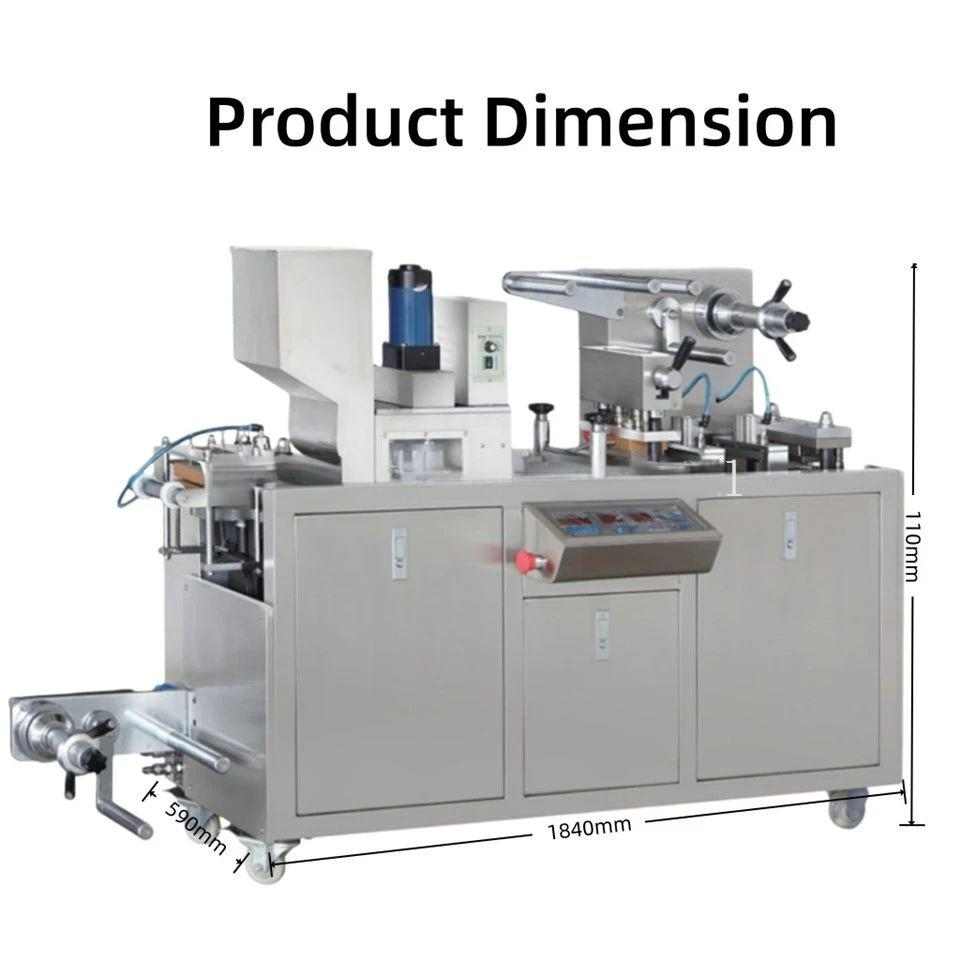
Auctions of pharmaceutical equipment are formal, high-standard trading methods within the pharmaceutical industry. Pharmaceutical factories use these auctions to handle idle, replaced and surplus production machines. Commonly traded equipment includes milling and granulating machines, tablet presses, sterilization equipment and pharmaceutical packaging machines.
Ordinary factory machine auctions only require sellers and buyers to follow basic trade rules. However, pharmaceutical equipment auctions demand far stricter standards. Every step of the whole transaction must follow pharmaceutical industry rules, machine safety requirements and unified drug production standards. People cannot afford any carelessness during the process.
For this reason, choosing a reliable pharmaceutical equipment auction service provider becomes extremely important. If you pick a qualified and professional auction partner, all trading steps will meet official rules. You can sell idle old equipment at a better price and avoid many unnecessary business troubles. When your company selects such service providers, you need to carefully compare the four key standards listed below.
1. Check the provider’s official compliance qualifications
All drug production activities must follow uniform GMP (Good Manufacturing Practice) standards. Buyers and sellers cannot act arbitrarily. Every pharmaceutical equipment deal must satisfy all rules set by pharmaceutical regulators. These are firm legal requirements that no one can break.
Trusted pharmaceutical auction companies hold complete government-approved documents and special industry certificates. They use fixed, unified operating procedures for second-hand pharmaceutical equipment sales. All staff follow the same formal steps without random changes.
Unlicensed and non-compliant auction firms lack knowledge of pharmaceutical industry rules. Trading equipment through these companies violates laws and creates many hidden safety risks. In serious cases, your company may face lawsuits.
2. Prioritize auction agencies with rich pharmaceutical industry experience
Platforms that only handle general industrial machinery know little about the special requirements of pharmaceutical machines. Professional auction workers fully understand all types of pharmaceutical equipment. They accurately judge machine performance, service years, current market value and suitable drug production uses. They know raw material processing machines and final drug packaging equipment equally well.
These professionals write complete condition reports for every machine. Both buyers and sellers clearly learn the real status of equipment. This avoids overestimated or underestimated prices caused by information gaps between the two sides.
3. Transparent trading rules form a core selection standard
One vital rule for picking auction partners is full openness of the whole sales process. Hidden backroom deals must never happen. High-quality pharmaceutical auction services feature open and standardized workflows. Bidding rules, commission fees and settlement processes stay fully clear. Providers also publish equipment specifications, maintenance records and known machine faults. No hidden charges exist at any stage.
Meanwhile, formal auction platforms use digital marketing and exclusive industry channels. They connect sellers with high-quality professional buyers and maximize the residual value of used pharmaceutical machines.
4. Complete supporting services are essential
Reliable auction companies finish all transfer paperwork for equipment in one go. Their teams visit your site to inspect machines, evaluate prices, safely take apart equipment and deliver machines according to standards. They also manage follow-up communication work. You do not need to contact many separate service providers.
Pharmaceutical equipment requires extremely high cleanliness and precision during disassembly and transportation. Experienced service teams prevent equipment damage and contamination during shipping. This ensures machines still meet drug production standards after resale. Pharmaceutical machines have special demands: workers must keep them clean and handle them gently to avoid bumps. Well-trained staff operate carefully to protect equipment. After delivery to buyers, these machines can still make medicines legally.
Final Summary
If sellers want to successfully dispose of surplus pharmaceutical machines, their first task is selecting a professional, fully licensed auction company with open and transparent operations. Enterprises judge potential partners by checking official certificates, pharmaceutical industry experience, trading transparency and supporting service packages. With careful selection, firms safely and legally sell used equipment for higher returns.