

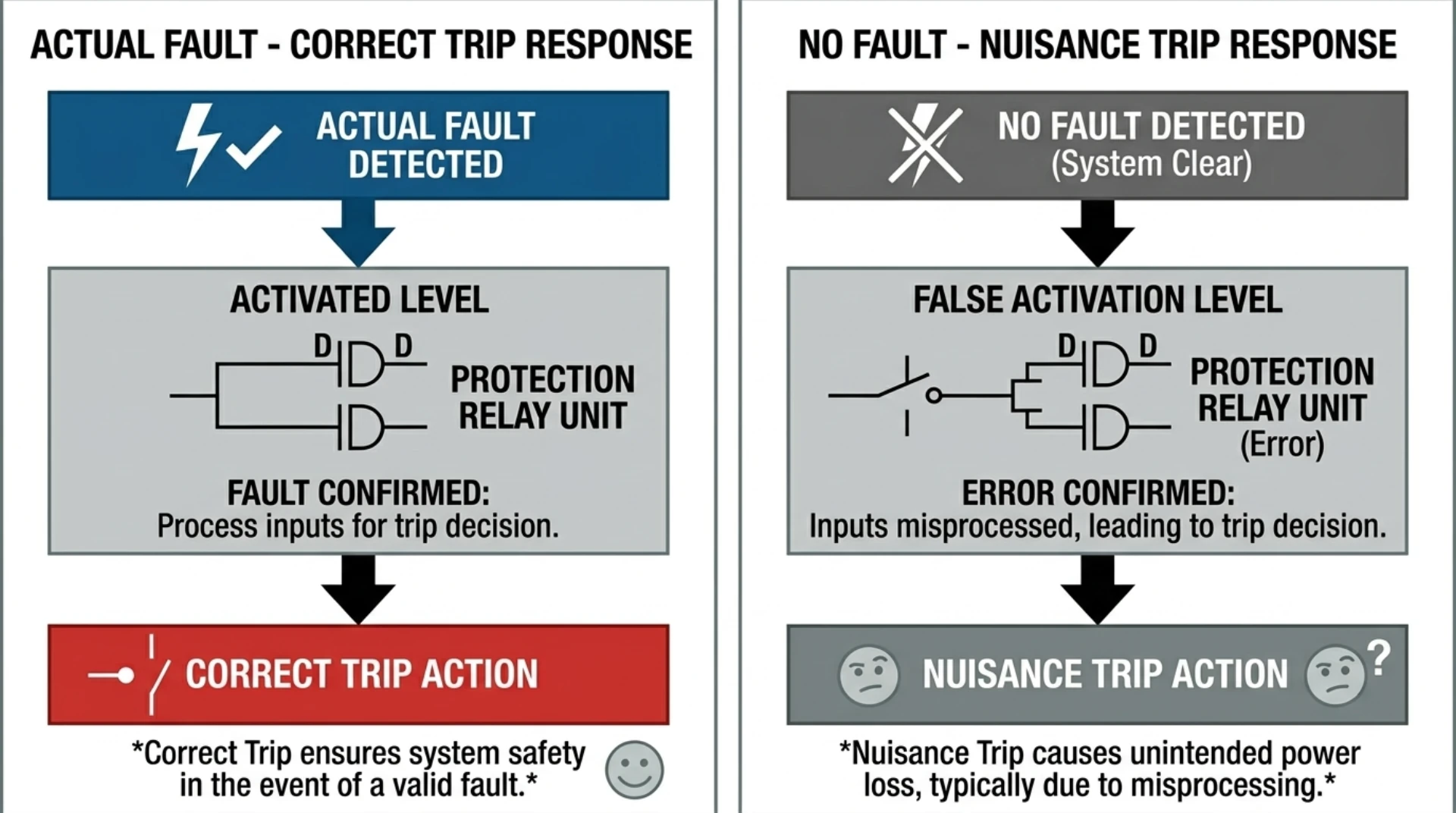
Relay Trip Problems: Unexpected protection relay trips disrupt operations, lower productivity and increase maintenance costs, and frequent tripping with no apparent faults is known as nuisance tripping.
In this guide, we’ll explain the most common causes, troubleshooting methods, and practical solutions.
What Is Nuisance Tripping in a Protection Relay?
Intentional tripping
It refers to the relay trips automatically when real electrical faults occur, which is the designed protective action.
Nuisance tripping
It means the relay trips mistakenly without actual electrical faults on the circuit.
Differences Between Normal Tripping and Nuisance Tripping
Normal tripping occurs when real faults happen, while nuisance tripping is an unnecessary trip with no actual faults.
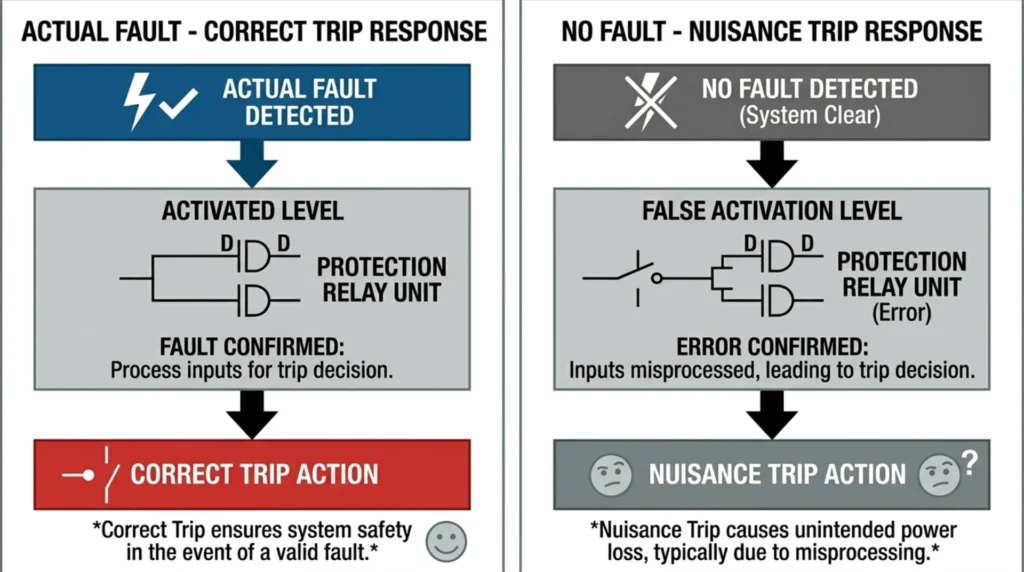
Relay Trip Problems: Why Nuisance Tripping Is a Serious Issue
Persistent nuisance tripping will not only disrupt normal production arrangements but also force frequent equipment inspections and repairs.
The repeated start-stop cycles accelerate component wear and shorten the service life of power equipment.
Meanwhile, prolonged downtime leads to order delays and customer dissatisfaction, which damages corporate reputation and long-term business benefits.
In severe cases, continuous abnormal relay operation may cause cascading failures across the power distribution network, posing serious threats to the safe and stable operation of the entire factory.
8 Common Causes of Nuisance Tripping Relay Problems
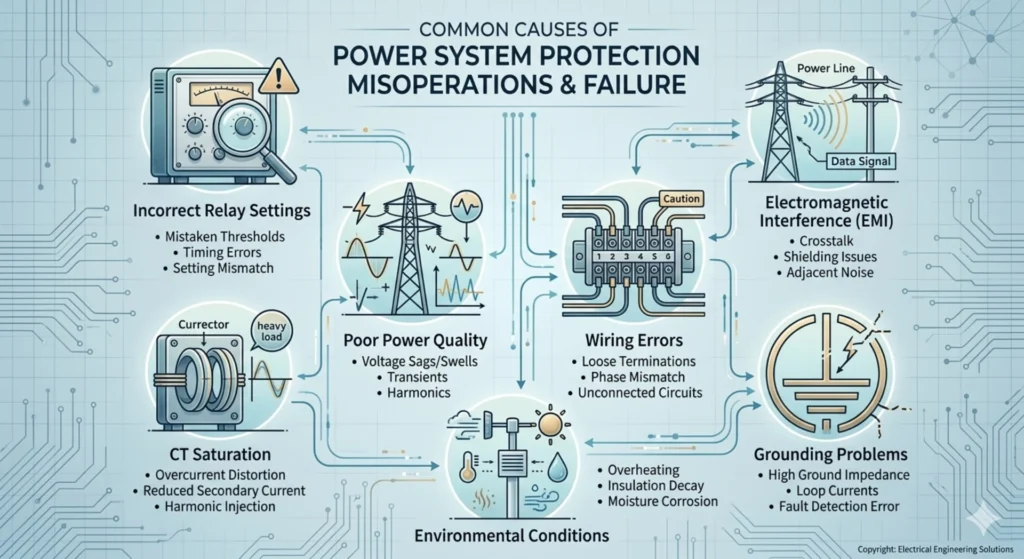
Incorrect Relay Settings
Pickup current too low
When pickup current is set too low, the relay will activate and trip easily under normal load or minor current fluctuations, resulting in frequent nuisance tripping.
Wrong protection curve
For motor protection, selecting an incorrect protection curve will break the protection coordination between the relay and the motor, resulting in nuisance tripping or delayed fault tripping.
Improper delay settings
f the time delay is set too short, the relay trips instantly against transient current surges and causes nuisance tripping. If the delay is too long, the relay fails to act promptly during real faults, which may burn out motors or other equipment.
CT Saturation
CT saturation
When a short circuit occurs, excessive fault current leads to CT saturation. The CT output signal becomes distorted, causing the relay to misjudge current values and trigger nuisance tripping.
current transformer issue
It includes CT saturation, wiring faults, parameter mismatch and component damage. Abnormal CT performance distorts measured current signals, leading relay protection to make wrong judgments and produce nuisance tripping.
Poor Power Quality
Voltage sag
A sudden drop in system voltage will interfere with relay operation. It may trigger unexpected tripping even if no actual fault exists.
Voltage swell
A sudden rise in system voltage may exceed the relay’s operating threshold. It disturbs normal working status and leads to nuisance tripping.
Harmonics
Harmonic pollution distorts current and voltage waveforms. It interferes with relay measurement and logic judgment, and eventually causes nuisance tripping.
Electromagnetic Interference (EMI)
VFD systems
VFDs generate abundant harmonics and frequent voltage fluctuations during operation. These electrical disturbances interfere with relay signals and easily result in nuisance tripping.
Large motor starters
When large motors start, they draw huge inrush current and cause transient voltage fluctuations. These abnormal electrical signals may mislead protection relays and cause nuisance tripping.
Grounding Problems
Poor or faulty grounding leads to unstable reference potential. It distorts current and voltage signals received by relays, resulting in misjudgment and nuisance tripping.
Wiring Errors
Loose terminals cause poor contact, resulting in unstable current and voltage signals. This leads to false tripping of protection relays.
Wrong CT polarity
Incorrect CT polarity reverses the direction of secondary current. The relay receives abnormal signals and makes wrong judgments, which directly causes nuisance tripping.
Damaged cables
Damaged cables may lead to leakage current, short circuits or unstable signal transmission. The abnormal electrical signals will trigger nuisance tripping of protection relays.
Environmental Conditions
| Influencing Factor | Core Impact | Resulting Trip Issue |
|---|---|---|
| Heat | Excessive heat degrades internal electronic components of relays and distorts sampling signals. | Causes unstable device operation and frequent nuisance tripping. |
| Dust | Accumulated dust on circuit boards and terminals causes poor contact or partial discharge. | Interferes with signal transmission and leads to nuisance tripping. |
| Moisture | Excess moisture inside equipment causes leakage current and short circuits. | Corrupts electrical signals and triggers unexpected relay tripping. |
| Vibration | Continuous vibration loosens wiring terminals and internal parts of relays. | Leads to intermittent poor contact and unstable signals, resulting in nuisance tripping. |
Aging of relay protection
After relay protection devices age, they are prone to nuisance tripping or failure to trip. Therefore, it is necessary to upgrade and renovate the relay protection equipment in power stations.
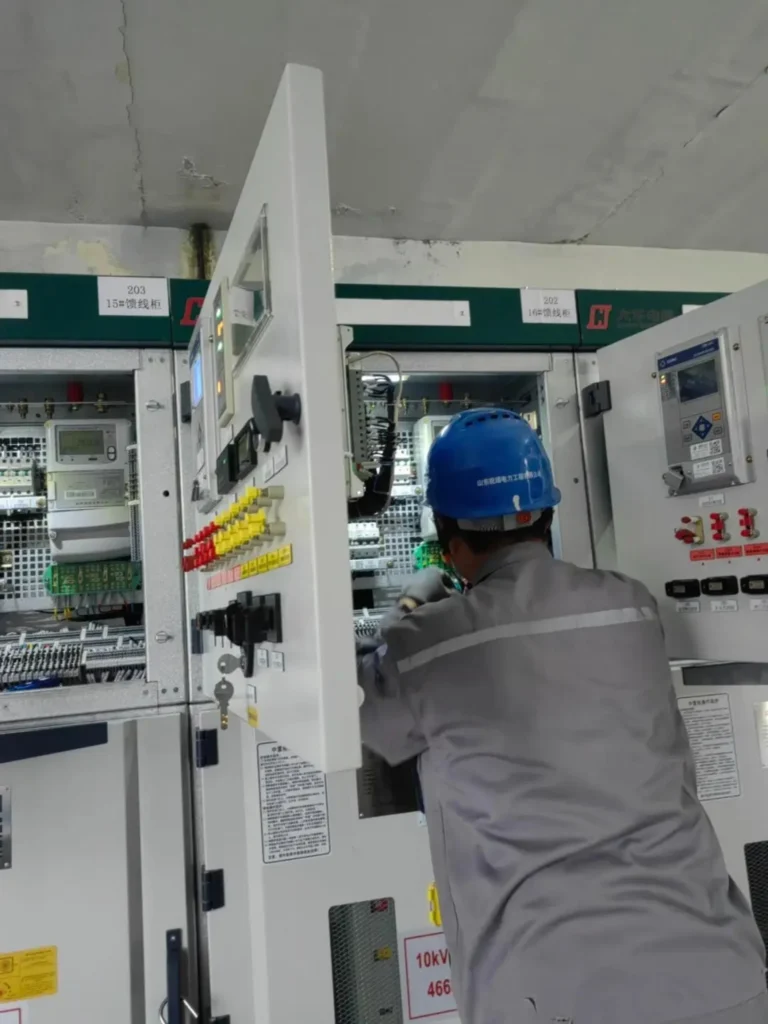
How to Troubleshoot a Relay Trip Problem
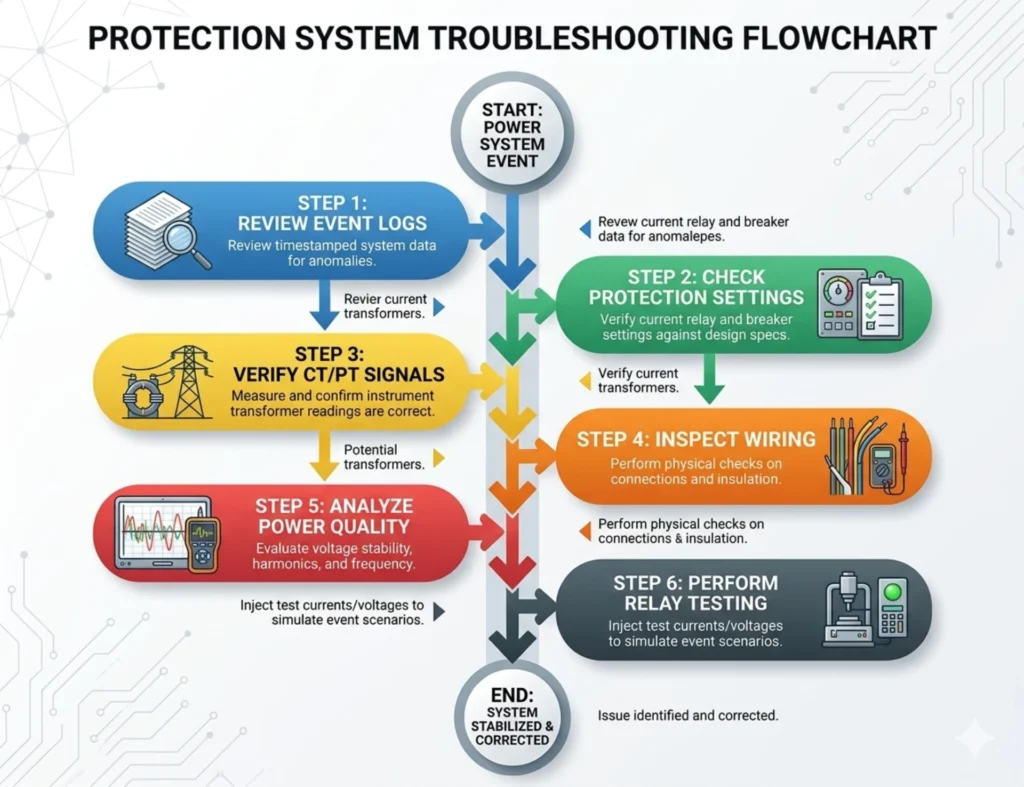
Step 1 Review Event Logs
Check relay event logs to record tripping time, fault codes and trigger conditions. These data help initially locate the causes of nuisance tripping.
Step 2 Check Protection Settings
Verify current thresholds, protection curves and time delay settings. Confirm all parameters match the design requirements to eliminate misconfiguration-induced tripping.
Step 3 Verify CT/PT Signals
Measure secondary current and voltage signals. Check for waveform distortion, abnormal values, saturation and polarity errors of CT and PT.
Step 4 Inspect Wiring
Thoroughly examine all terminals, cables and connections. Look for loose connections, corrosion, damaged insulation and reversed CT/PT polarity. Rectify all wiring defects immediately.
Step 5 Analyze Power Quality
Monitor for voltage sag, voltage swell, harmonics and transient surges. These power disturbances commonly trigger unexpected relay tripping.
Step 6 Perform Relay Testing
Conduct functional and performance tests on the relay. Check sampling accuracy, logic operation and response performance to rule out internal component faults.
How to Prevent Nuisance Tripping
Perform Regular Relay Testing
Carry out periodic tests to check sampling, protection logic and trip performance. Prevent malfunctions caused by component aging or parameter drift.
Improve Relay Coordination
Adjust protection settings and time delays to achieve proper coordination between relays. Avoid overlapping protection ranges and unwanted tripping.
Maintain CT/PT Accuracy
Calibrate current and voltage transformers regularly. Prevent measurement errors, saturation and signal distortion that lead to relay misoperation.
Enhance Grounding
Upgrade and inspect the grounding system regularly. Ensure low resistance and reliable connection to suppress interference and leakage current.
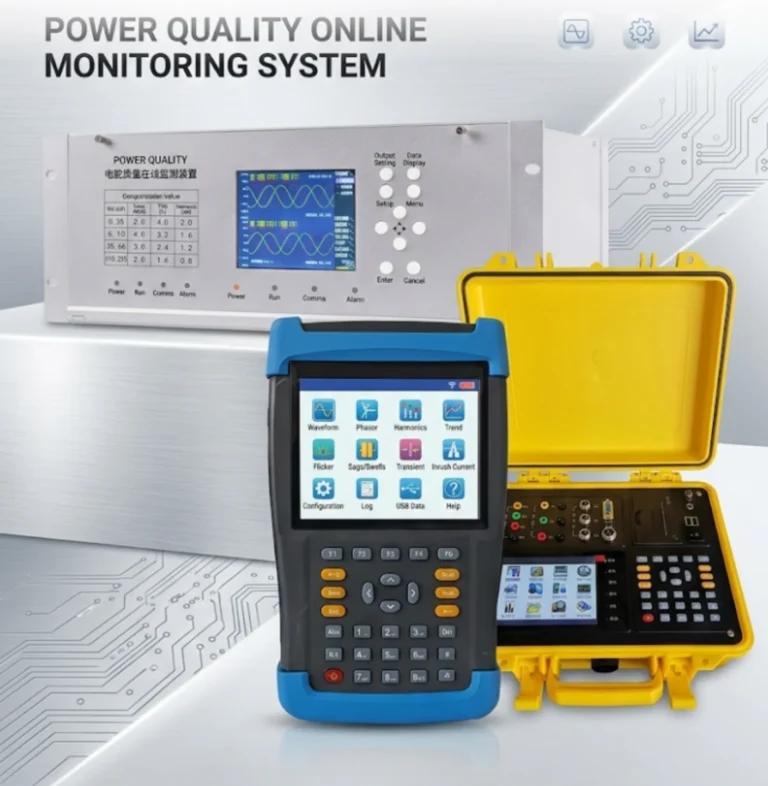
Monitor Power Quality
Deploy monitoring devices to track voltage fluctuations, harmonics and transients in real time. Take timely measures against abnormal power conditions.
Upgrade Legacy Protection Systems
Replace outdated relays and old protection equipment. New systems feature better stability, anti-interference ability and accurate operation.
When Should You Replace a Protection Relay?
Replace the protection relay if it has frequent false tripping, fails tests and calibration, shows physical damage, exceeds its service life, or is incompatible with updated systems. It is also recommended to replace units severely damaged by harsh operating conditions.
Recommended Protection Relay Solutions
Microcomputer Protection Relay List
| No. | Category | Product Name |
|---|---|---|
| 1 | Substation Protection | Line Microcomputer Protection |
| 2 | Busbar Transfer Protection (BZT) | |
| 3 | Main Transformer Differential Protection | |
| 4 | Main Transformer Backup Protection | |
| 5 | Main Transformer Non-electrical Protection | |
| 6 | Busbar Differential Protection | |
| 7 | Shunt Capacitor Bank Protection | |
| 8 | Shunt Reactor Protection | |
| 9 | Power Generation Protection | Generator Differential Protection |
| 10 | Generator Stator Earth Fault Protection | |
| 11 | Generator Rotor Earth Fault Protection | |
| 12 | Generator Backup & Abnormal Protection | |
| 13 | Generator-Transformer Unit Integrated Protection | |
| 14 | Auxiliary Transformer Protection | |
| 15 | Auxiliary Power Feeder Protection | |
| 16 | Auxiliary Motor Integrated Protection | |
| 17 | Motor Differential Protection | |
| 18 | Motor Non-electrical Protection | |
| 19 | Distribution System Protection | Distribution Line Integrated Protection |
| 20 | Distribution Transformer Protection | |
| 21 | Section / Tie Switch Protection | |
| 22 | High Voltage Motor Integrated Protection | |
| 23 | Low Voltage Motor Protection Device | |
| 24 | Motor Backup Protection | |
| 25 | Industrial Motor Special Protection | |
| 26 | New Energy Grid-tied Protection | PV Feeder Line Protection |
| 27 | PV Main Transformer Protection | |
| 28 | Collector Line Protection | |
| 29 | Box-type Transformer Integrated Protection | |
| 30 | PV Grid Anti-islanding Protection | |
| 31 | New Energy Station Motor Integrated Protection | |
| 32 | General Auxiliary Protection | Circuit Breaker Failure Protection |
| 33 | Fault Recorder | |
| 34 | Voltage & Reactive Power Control Device (VQC) | |
| 35 | Synchronization Device | |
| 36 | Low Current Earth Fault Line Selection Device |
Why Customers Choose Us
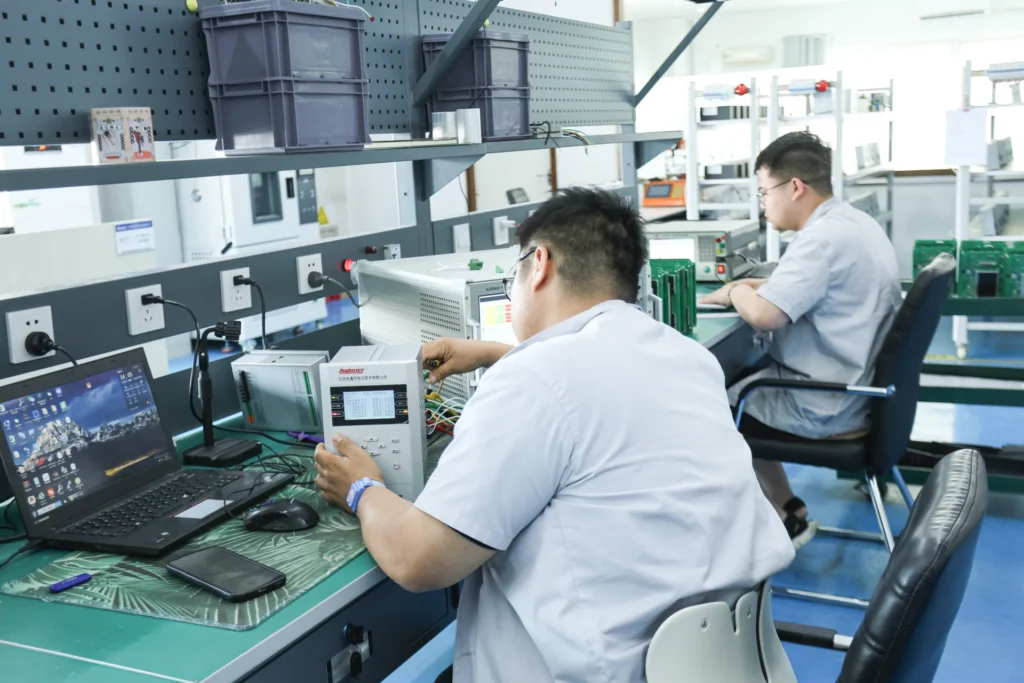
Our products comply with IEC standards and have obtained CE certification. Strict factory testing is implemented for every unit, and we provide reliable full-cycle technical support.
Frequently Asked Questions
Q:Why does my relay trip without a fault?
A:Relays may trip unnecessarily due to CT saturation, transient surges, improper setting values, wiring errors, electromagnetic interference, or aging components. External disturbance and mismatched device parameters are also common causes.
Q:Can CT saturation cause nuisance tripping?
A:Yes. Severe CT saturation distorts current signals sent to protection relays. The relay will misjudge the abnormal current as a real fault and trigger nuisance tripping.
Q:How do I stop a relay from nuisance tripping?
A:Optimize relay setting parameters, upgrade high-performance CTs to avoid saturation, check and re-standardize field wiring, shield devices against electromagnetic interference, and perform regular maintenance and testing on relays.
Q:What is the difference between a fault trip and a nuisance trip?
- A fault trip: The relay operates correctly when actual electrical faults occur in the power system.
- A nuisance trip: The relay trips incorrectly while the system runs normally, caused by signal distortion, interference or wrong settings.
Q:How often should protection relays be tested?
A:Routine testing is recommended every 1 to 2 years. For key substations, power plants and new energy stations, quarterly or semi-annual inspection and testing are required. Comprehensive overhaul testing shall be carried out during major equipment maintenance.
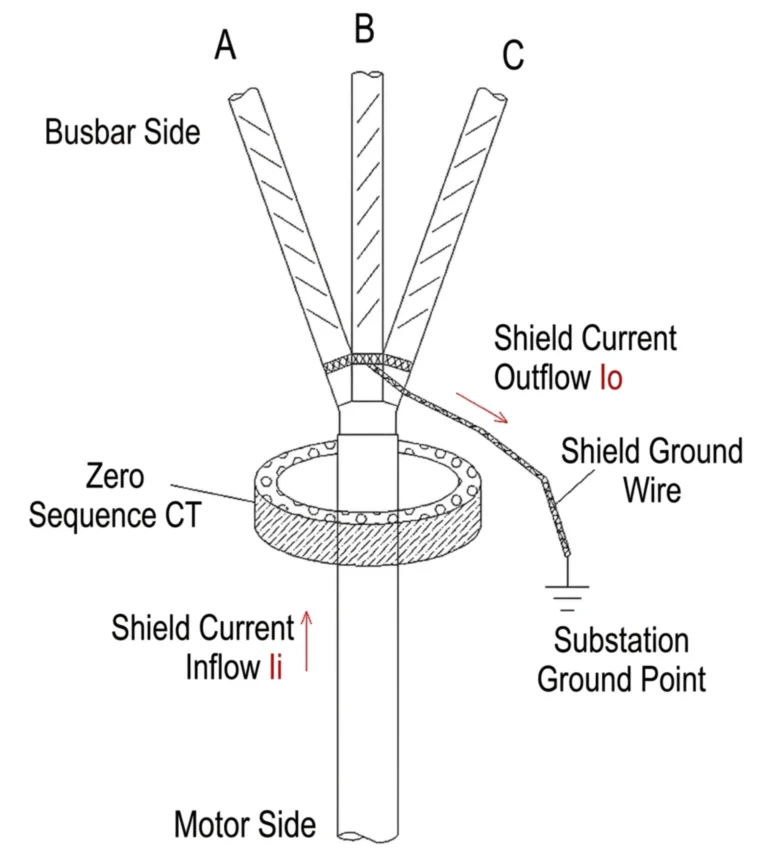
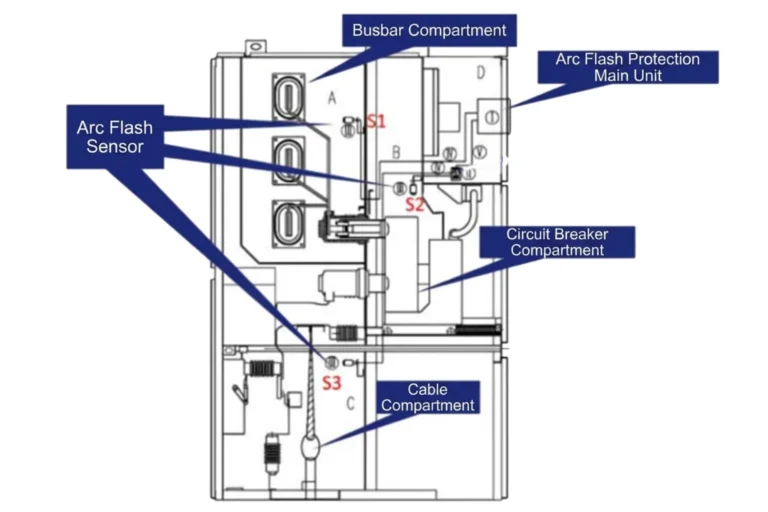
[…] short-circuit causes unwanted cascading tripping, leading to blackouts and shutdown of industrial plants, PV stations and data centers with heavy […]