Background
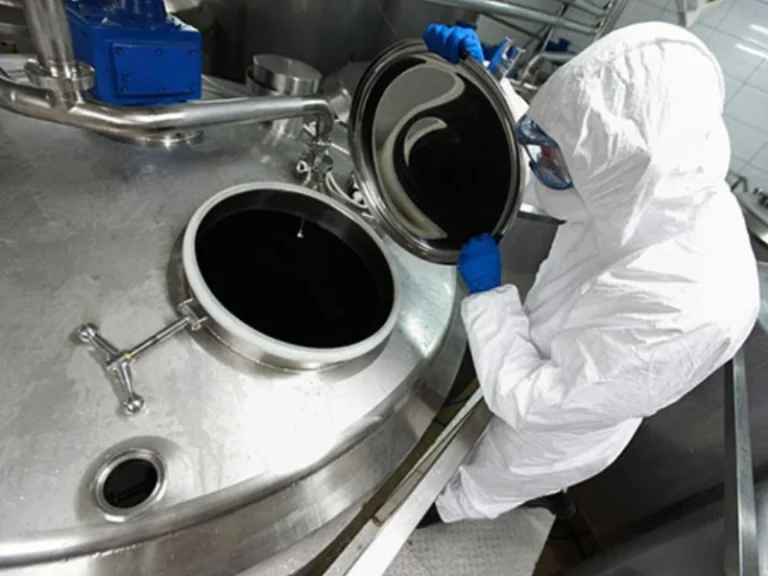
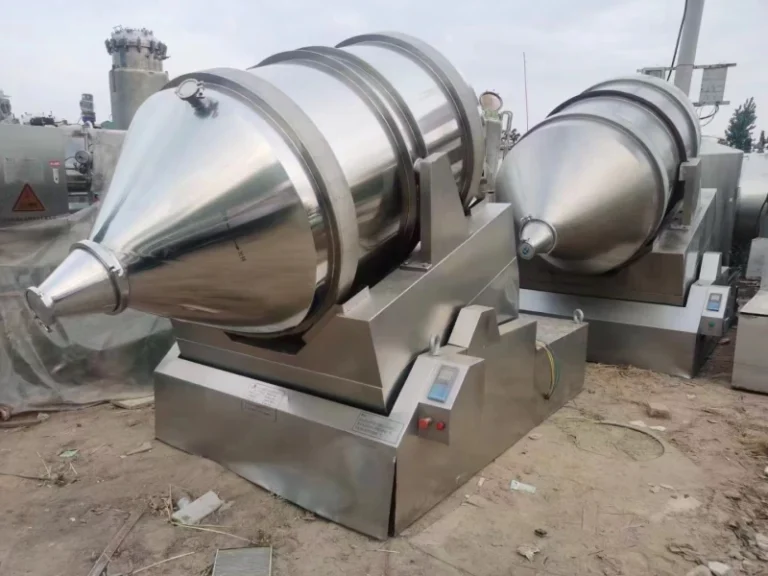
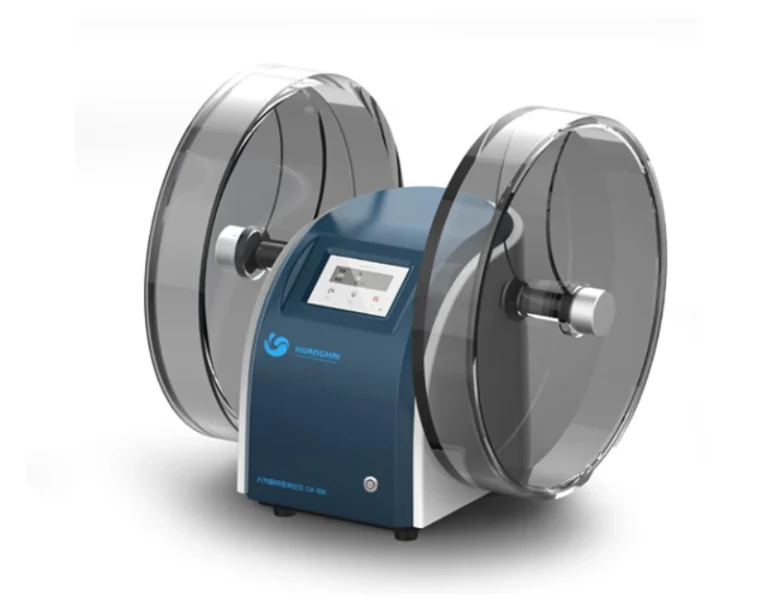
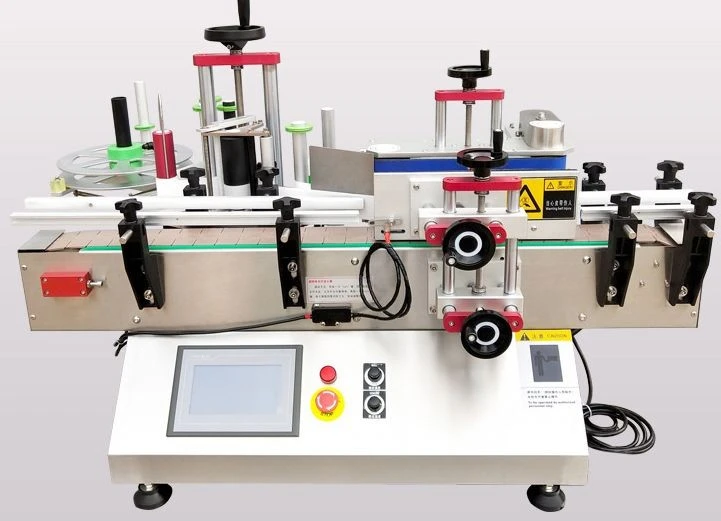
A pharmaceutical company has some existing semi automated production equipment. A medium-sized pharmaceutical factory owns a full set of semi-automatic machines for solid medicines like tablets and powder. The equipment includes powder mixers, tablet presses, coating machines and drug packaging lines.
These semi-automatic machines have run nonstop for six years or longer. They only finish basic production steps with low automation. Workers must complete most work by hand: feeding raw materials, adjusting machine settings, and moving finished drugs.
Heavy manual work slows down production. The drugs made this way also fail to meet the latest pharmaceutical standards.
To keep every batch of medicine steady in quality, cut safety risks and raise output, the factory plans to upgrade its old semi automated production equipment and semi-automatic production line.
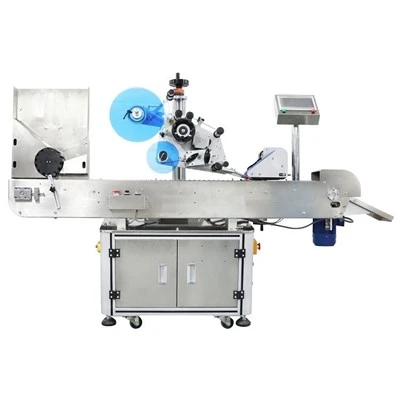
Main Problems of the Semi-Automatic Equipment
The aging semi-automatic production line has four obvious drawbacks:
- Easy drug contamination and unstable product quality Workers touch the machines frequently during production and break the sterile clean environment, which easily pollutes medicines. Different workers set different temperatures, rotating speeds and feeding rates. Batches of drugs turn out uneven, and many unqualified products appear.
- Messy production records with no clear root of quality faults The semi-automatic machines cannot connect to smart control systems. Workers write down all production data by hand. Writing errors or random false records often happen. If drugs have quality issues, staff cannot find out exactly which step goes wrong.
- Unexpected machine breakdowns delay production Years of operation wear many internal parts. The machines have no fault reminder functions and shut down suddenly without warning. This breaks the production schedule and stops the factory from boosting annual drug output.
- Separated procedures block mass continuous production All pharmaceutical steps work separately. The links between processes are not smooth. Workers waste much time moving materials, so the line cannot run nonstop to make large batches of drugs.
Specific Upgrade & Optimization Solutions
The factory analyzes and sorts out all faults of its semi automated production equipment and semi-automatic machines, then makes a complete upgrade plan with four key measures:
First, workers install sealed automatic feeding pipes and electronic controllers on core machines to replace manual feeding. The machines lock fixed unified production settings automatically. Temperatures, rotating speeds and heating times stay identical for every batch, eliminating inconsistent standards. Workers no longer touch raw medicine materials, which ensures clean and precise feeding. Besides, automatic conveyors connect all equipment. The whole production flow runs smoothly without manual material transport.
Second, data sensors are fitted on every machine, and all devices link to the factory’s smart management system. The system automatically records all production data such as time, machine parameters and output, and generates standard electronic records without handwritten notes.
Third, all worn, aging and broken parts of the semi-automatic machines get fully replaced with new matching components. A real-time equipment monitoring system is added to track machine temperature and running status. It sends early warnings of potential faults to prevent sudden shutdowns. Meanwhile, clear rules are set: ordinary workers inspect machines daily, maintenance staff service equipment weekly, and professional technicians carry out full maintenance every three months.
Fourth, the factory arranges professional training for all staff. Workers learn how to operate upgraded machines and control systems. Unified standard operating steps keep the whole workshop sterile and clean during production.
Expected Improvement Results
After finishing all upgrades of semi automated production equipment and semi-automatic equipment, the factory will see huge overall improvements in pharmaceutical capacity:
- Manual operations drop by over 60%, greatly lowering the risk of drug contamination.
- The control system unifies all production settings automatically. Quality differences of medicines fall by more than 90%, and all products become stable and qualified.
- Computers store all production data. Every step of drug making can be traced clearly, making quality checks faster and simpler.
- The upgraded automatic machines cut production time of each batch by about 25%, so the factory produces more safe medicines every year.
- Built-in fault reminders almost stop unexpected shutdowns, stabilizing production and delivery schedules.
- Upgrading old equipment costs nearly half less than buying a brand-new fully automatic production line. Equipment upgrades raise production efficiency, guarantee drug quality, and cut losses from defective goods and new machine purchases. This plan brings three major benefits at the same time.
Conclusion
In short, the factory’s old semi-automatic machines relied heavily on manual labor. They created unstable drug quality, messy records and frequent breakdowns, which seriously disturbed safe and regular production.
The complete upgrade plan solves all production troubles thoroughly, covering equipment reconstruction, smart control system installation, regular maintenance rules and staff operation training.
This reconstruction plan costs little and fits the factory’s actual production demands perfectly. It fixes all defects of semi-automatic machines, standardizes pharmaceutical workflows, improves production safety and efficiency, supports stable long-term factory operation and fuels sustainable development.