

-
Blake.Chu sales consultant
-
Email: 113217160@qq.com
-
Phone/WhatsApp: +86 17774546154
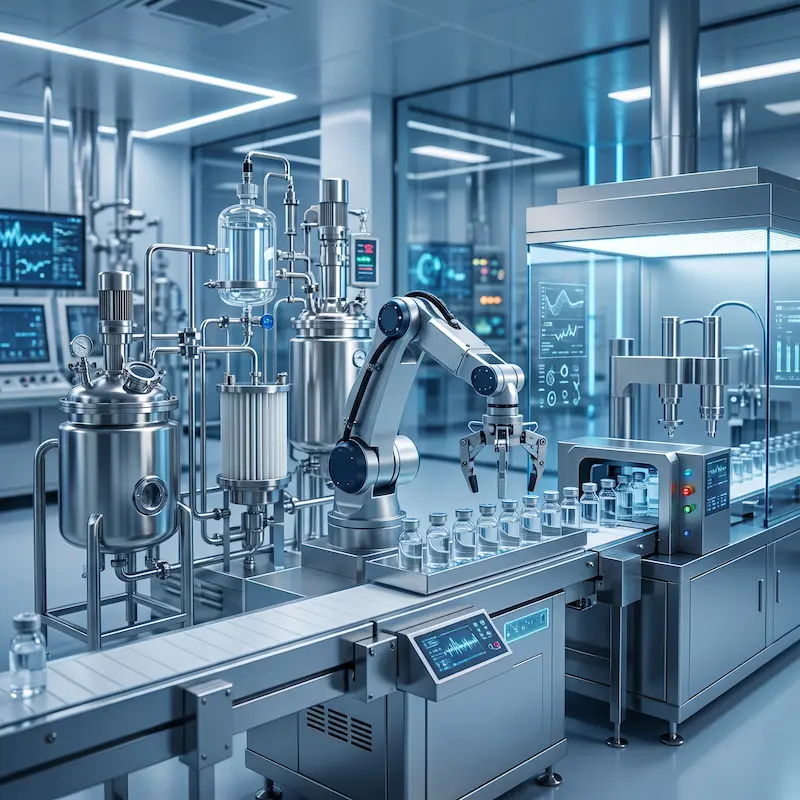
24 Practical Kinds: What equipment is used in a pharmaceutical lab
Introduction: What equipment is used in a pharmaceutical lab
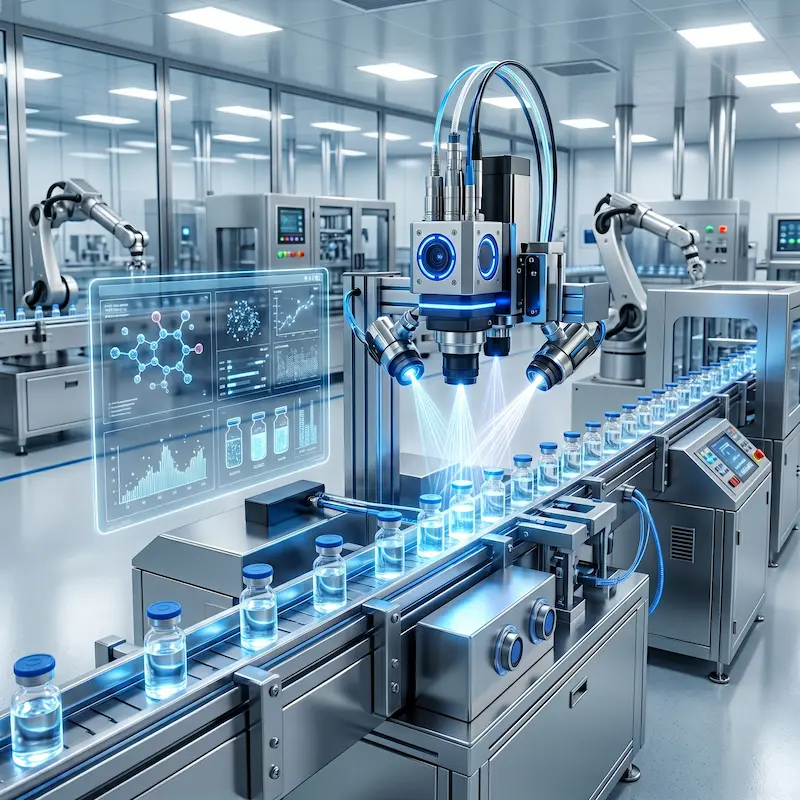
Instruments in pharmaceutical labs are key tools for experiments and scientific research. They greatly help lab workers test various samples, measure accurate data and process different experimental materials. If you want to know what equipment is used in a pharmaceutical lab, this article introduces 24 common lab instruments, their uses and features, so you can learn all professional equipment needed for pharmaceutical tests and understand how pharmaceutical labs work.
- pH Meter: It measures pH values accurately when preparing reagents to make standard solutions. Workers also use it to check the acidity or alkalinity of sample liquids.
- Laminar Flow Cabinet: Researchers grow microbes in sterile culture media. This cabinet creates a clean, germ-free space for microbial culture work.
- Incubator: Different incubators create proper conditions for microbes to grow. Biochemical incubators only control temperature for common bacteria. Mold incubators adjust both temperature and humidity for mold growth. CO₂ incubators suit anaerobic microbes.
- Electronic Balance: It weighs all kinds of reagents precisely. Electronic balances have different levels based on their measuring accuracy.
- Moisture Analyzer: It quickly tests the water content of materials and shows real-time data like temperature, sample weight, dehydration rate and water percentage.
- Conductivity Meter: It accurately measures the conductivity of all liquid solutions. With matching electrodes, it tests pure water conductivity and works for research and production in many industries.
- Turbidity Meter: It checks how cloudy water is. Labs in water plants, food factories and drug companies use it to test water samples and monitor natural water quality.
- Polarimeter: It measures optical rotation, specific rotation, concentration and sugar content of samples. It is a necessary tool for medicine, food, beverage and fine chemical industries.
- Kjeldahl Apparatus: It includes a heating digester and a distiller. Workers use it to measure the protein content of samples.
- Colony Counter: It helps workers count microbial colonies. It magnifies, photographs and counts colonies automatically. High-end models connect to computers for automatic counting.
- Microwave or Electric Furnace: They heat liquids fast and melt solid microbial culture media.
- Autoclave: Most lab tools, reagents and culture media for microbial tests need strict disinfection. Autoclaves have manual and automatic models, and labs pick suitable types based on their needs.
- Micropipette: It takes precise amounts of liquid. Common liquid tools include measuring cylinders, pipettes, micropipettes, graduated test tubes and beakers.
- Low-temperature Refrigerator: Labs store reagents and samples in refrigerators. Some microbial reagents need storage at 4°C, while others require -20°C. Staff must store items at correct temperatures.
- Biosafety Cabinet: Some microbial samples and reagents contain harmful germs that hurt workers. This cabinet stops dangerous tiny particles and sprays from spreading, protecting staff, samples and the whole lab environment.
- Constant Temperature Shaker: It mixes liquid culture media at fixed temperatures to grow bacteria in microbial experiments.
- Pure Water System (Ultra-pure Water Machine): It includes distillers and pure water machines. Distillers cost less but need constant supervision during water production. Pure water machines cost more but store pure water and work easily. Labs use different grades of pure water to mix reagents and culture media.
- Biological Microscope: Microbes are tiny, so workers watch their shapes and small structures with biological microscopes.
- UV-Vis Spectrophotometer: It measures the concentration of bacterial liquid at 600nm to pick the best culture time for microbes.
- Constant Temperature Drying Oven: It dries lab tools after cleaning and disinfection. Ovens have different temperature ranges. Plastic tools dry at 42–45°C, while glass tools dry at 60°C.
- Constant Temperature Water Bath: It controls temperature evenly for sample reactions. Many microbial experiments need steady temperatures such as 37°C, 42°C or 56°C.
- Centrifuge: It collects bacteria and solid sediments. It has normal-temperature and refrigerated types. Workers choose cold centrifuges for samples that break down at room temperature.
- Viscometer: It measures liquid viscosity and flow resistance, widely used in oil and paint industries.
- Glassware: All regular glass containers used in labs.
Conclusion: What equipment is used in a pharmaceutical lab
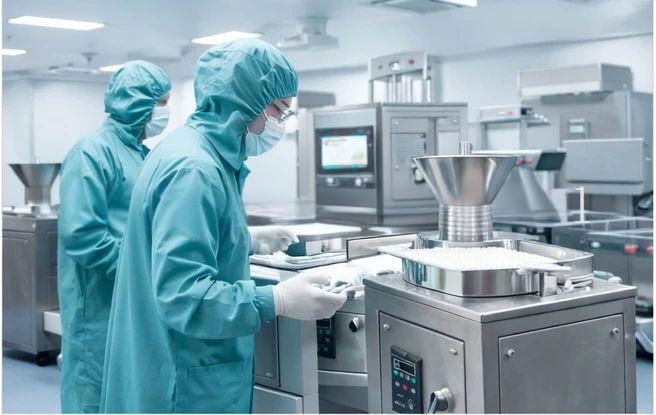
What equipment is used in a pharmaceutical lab is clearly presented here. Pharmaceutical labs adopt 24 professional instruments for drug inspection and research. Each device undertakes tasks including sample testing, material processing and experiments steadily. Some precise tools test pH, weight, water and protein contents of drug materials and products. Special devices create sterile areas, cultivate bacteria and observe tiny microbes. Other equipment sterilizes germs, shield workers, produce pure water, store samples at low temperatures and heat test materials. These instruments cooperate to finish full lab work like mixing solutions, culturing microbes, testing samples and disinfecting tools for pharmaceutical standards.

Related Posts
GMP Compliant Design
Comply with GMP standards, featuring easy-to-clean surfaces and validation-ready documentation.
On-Time Delivery
Reliable lead times for standard and custom equipment, supporting your production launch without delays.
Professional After-Sales
Global technical support and on-site installation/training to ensure long-term stable operation.