

-
Blake.Chu sales consultant
-
Email: 113217160@qq.com
-
Phone/WhatsApp: +86 17774546154
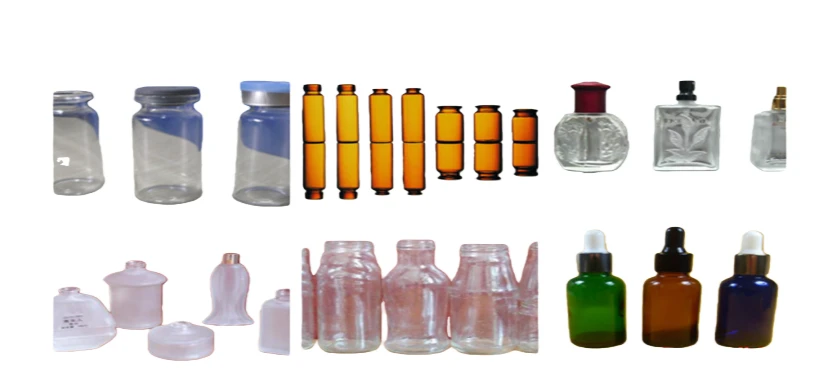
Pharma vs Biotech: Complete Guide
1.Core Concepts: Precise Definitions of the Two Industries
Biotechnology (Biotech) and traditional pharmaceuticals (Pharma) are two core sectors in the life science industry. Both focus on healthcare, but they have big differences in technical systems and product features.
1.1 What is Biotechnology? A New View of the Biology Industry
Biotechnology uses genetic engineering, cell engineering and microbial engineering to change and use living organisms and their components. It is an advanced innovative industry. Its main products are large-molecule biologics, including recombinant proteins, monoclonal antibodies, nucleic acid medicines, cell and gene therapies. This field relies heavily on research and creates original innovations from zero to one. It targets hard-to-treat diseases. Besides healthcare, it also serves agriculture, environmental protection and industry.
1.2 What is Traditional Pharmaceuticals? The Backbone of Medicine Production
Traditional pharmaceutical is a mature industrial field built on chemical synthesis. It mainly makes small-molecule chemical drugs. Researchers use compound screening, formulation optimization and mass production systems to finish drug development, clinical trials and commercial launch. Small-molecule drugs have stable structures, good accessibility and are easy to produce, store and transport. They treat common illnesses and chronic diseases. This industry has complete industrial and compliance systems. It focuses on upgrading drugs and making medical care widely available.
In short, Biotech uses biological systems to create innovative biologics. Pharma uses chemical synthesis to mass-produce small-molecule drugs. The two sectors support each other in the medicine industry.
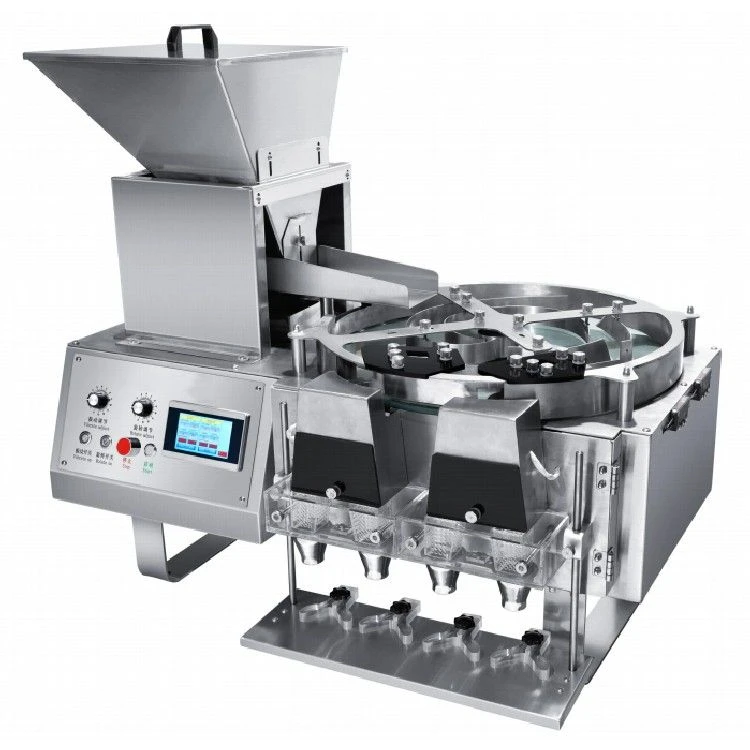
2.Comparison of Underlying R&D Systems
2.1 Overall R&D Systems for Biotechnology and Pharmaceuticals
Biotech research is driven by basic life science. It uses molecular biology, cellular immunology and genetic engineering. Researchers mainly test biological targets, build carriers, train cell strains and develop biological purification processes. Its product pipeline focuses on biologics. Teams need to grow living cells, test process stability and check biological activity. They finally apply for marketing through BLA (Biologics License Application). This system has large batch-to-batch variation and high industrial barriers. Early research heavily depends on scientific breakthroughs and capital investment.
Traditional Pharma uses chemical synthesis for industrial R&D. Based on medicinal chemistry and pharmaceutics, researchers screen compounds, modify small-molecule structures, optimize crystal forms and develop formulations. Its main outputs are small-molecule chemical drugs, for which applicants submit NDA (New Drug Application). The whole R&D process is standardized and repeatable. The process is stable and quality-controlled. It has mature pilot-scale and mass-production systems, so research is easier to control and put into use.
2.2 Innovation Directions and Core Features of R&D in the Two Industries
Biotech centers on disruptive original innovation. It focuses on gene therapy, CAR-T cell therapy, mRNA nucleic acid drugs, monoclonal antibodies and bispecific antibodies. It targets hard-to-cure tumors, genetic diseases and autoimmune diseases with unmet clinical needs. Its research carries high risks, long cycles and high trial costs, but it creates strong technical barriers and long patent protection.
Traditional Pharma focuses on iterative applied innovation. It optimizes compounds, improves drug forms, expands treatment uses, develops generic drugs and compound medicines. With mature pharmacology and toxicology systems, it improves drug safety, patient compliance and accessibility. It serves common and chronic diseases for public healthcare with lower risks and stable commercial performance.
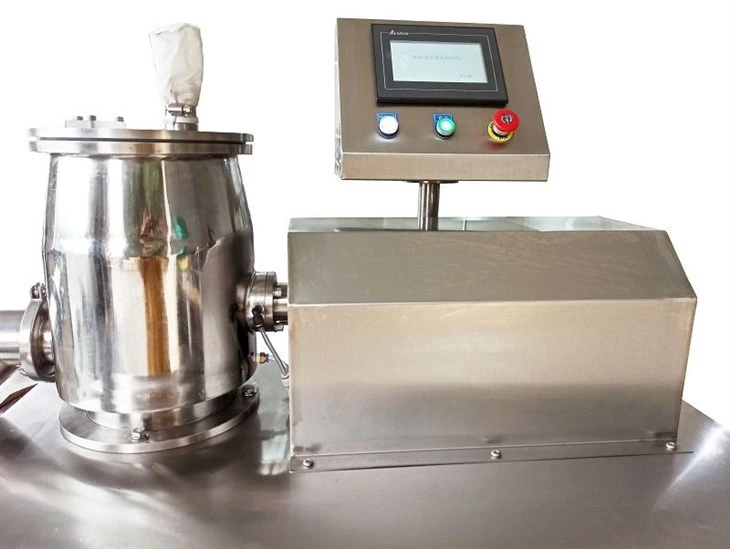
3.Product Systems and Practical Application Scenarios
Biotech and traditional Pharma create two product systems: large-molecule biologics and small-molecule chemical drugs. They work in different ways and treat different illnesses to support each other.
Biotech products include monoclonal antibodies, recombinant proteins, mRNA vaccines, cell and gene therapies. These large-molecule drugs have strong targeting ability. They treat malignant tumors, autoimmune diseases, genetic rare diseases and other hard-to-treat conditions. They are used for second-line or later personalized precision treatment to meet unmet medical needs.
Traditional Pharma makes small-molecule compound drugs through chemical synthesis, such as anti-infective drugs, cardiovascular medicines, metabolic chronic disease drugs and small-molecule chemotherapy drugs. Small-molecule drugs are stable, easy to take by mouth and simple to mass-produce and store. They mainly treat common and chronic diseases, supporting public and primary medical care.
Simply put, biologics treat severe and hard-to-treat conditions with new therapies. Small-molecule drugs supply basic medicine for the public.
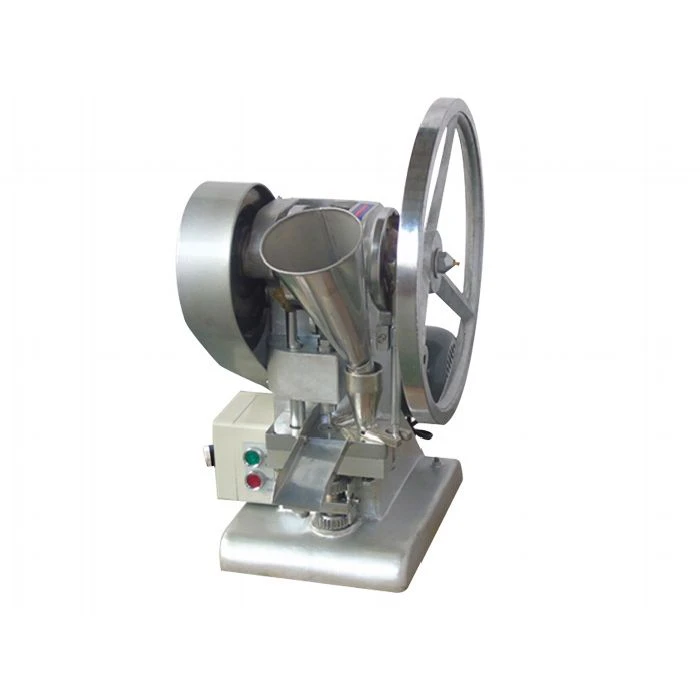
4.Deep Analysis of Similarities and Differences Between Biotech and Pharma
4.1 Biotech Companies vs Pharma Companies: Key Similarities
Both industries belong to life science medicine. Their main goal is to develop safe and effective treatments to fill clinical medical gaps. Both follow the standard drug R&D pipeline: preclinical research, clinical trials, quality verification and market application. Both are regulated by official groups such as the FDA and EMA. They use standardized quality control and compliance systems. Any launched product must provide full data to prove safety and effectiveness to meet commercial medical standards.
4.2 Biotech Companies vs Traditional Pharma Companies: Core Differences (Scale, Risk, Technology, Layout)
Company size and structure: Most biotech firms are lightweight research start-ups. They are small, focus on limited pipelines and lack strong commercial ability. Traditional pharma companies are large integrated groups. They own full value chains of research, pilot production, mass manufacturing and sales, with global business networks.
Core technology paths: Biotech uses genetic engineering, cell culture and biological expression to make large-molecule biologics. Pharma uses chemical synthesis, compound screening and formulation optimization to produce small-molecule chemical drugs.
Risk and profit: Biotech needs long research cycles. It has high failure rates in clinical tests and relies heavily on funding. But it has strong patent barriers and high innovation value. Traditional pharma has controllable research risks and steady income. It makes continuous profit through iterative innovation and large-scale commercial sales.
Business layout: Biotech focuses on original innovation for severe and new diseases. Traditional pharma improves basic medicines for common and chronic diseases and expands market reach.
4.3 Full Summary of Similarities and Differences
In general, biotech and traditional pharma share the same regulatory rules, research workflows and medical value. But they differ greatly in basic technology, company form, risk model and market position. Biotech leads cutting-edge innovation in medicine. Pharma turns treatments into widely available clinical products. The two sectors complement each other and build the full modern medical industry.
5.Industry Regulation System: FDA Approval and Compliance Comparison
The FDA sets separate application paths for biologics and chemical drugs: NDA (New Drug Application) and BLA (Biologics License Application). The two paths differ in review logic, quality standards and production compliance.
5.1 Chemical Drugs: NDA Approval Path
Applicants submit NDA for traditional small-molecule chemical drugs. Small-molecule compounds have clear structures and easy-to-check purity. Reviewers mainly check compound structure confirmation, impurity control, stability tests and formulation quality. Production follows cGMP. Chemical synthesis can reach high standardization. Generic drugs can use the simpler ANDA application. They only need to prove bioequivalence to get approval, with relatively controllable review time.
5.2 Biologic Drugs: BLA Approval Path
Large-molecule biologics use BLA for application. Living cells make these drugs. Their molecular structures are complex and hard to fully characterize. The production process itself is part of the product. The FDA carefully checks cell strain construction, fermentation, purification, batch consistency and host protein residue. Any production change may change the product features, so applications for process updates face stricter rules. Biosimilars cannot use simple bioequivalence tests. They need extra immunogenicity evaluation.
5.3 Summary of Key Compliance Differences
NDA focuses on physicochemical testing of final products. BLA stresses full-process control during production. Chemical drugs are easier for process transfer and generic drug development. Biologics need stricter production environments, cell banks and quality control. The barriers for process changes and scale-up are much higher than small-molecule drugs.
6.Industry Status and Future Outlook
The traditional pharma and biotech industries form a mixed pattern: steady existing market and fast-growing new market. Traditional pharma keeps its market base with mature industrial systems. Biotech becomes the main growth driver of the medicine industry with new technical breakthroughs. Both industries see technical upgrades and cross-sector cooperation.
6.1 Market Size and Growth Status
In 2026, the global traditional pharmaceutical market reaches about 1.72 trillion US dollars. It has a huge base and strong demand. It grows slowly and steadily with chronic disease drugs, anti-infective medicines and basic medical drugs, acting as the core supporting industry of the global healthcare system.
At the same time, the global biotech market hits 2.02 trillion US dollars. Its growth rate beats traditional pharma. Its compound annual growth rate (CAGR) from 2026 to 2035 reaches 13.61%, far above traditional medicine. With precision medicine, rare disease treatments and cell/gene therapies coming into use, the biotech market will keep expanding. It is expected to surpass 6.34 trillion US dollars in 2035 with strong growth potential.
6.2 Technical Upgrade Directions for the Two Industries
Biotech focuses on disruptive technical upgrades. Key directions include CRISPR gene editing, CAR-T cell therapy, mRNA nucleic acid technology, bispecific antibodies, microbiome engineering and synthetic biology. The industry keeps fighting genetic diseases, advanced tumors and autoimmune illnesses. It follows personalized precision medicine and shifts treatment from easing symptoms to curing root causes.
Traditional pharma focuses on fine and smart upgrades. It mainly develops advanced formulation technology, sustained and controlled drug delivery systems, nano drug delivery, digital drug research and generic drug consistency evaluation. Its main goals are to improve drug safety, improve patient compliance, cut production costs and upgrade basic medicines for wider public use.
6.3 Industry Integration and Future Trends
The line between the two industries will become blurry in the future. The mainstream model is: Biotech completes innovative R&D, and Pharma handles commercial launch. Large pharma firms buy shares, invest or sign pipeline deals with start-up biotech companies to fill gaps in new technology. Biotech start-ups use pharma’s manufacturing process skills, compliance systems and sales channels to bring new drugs to market.
Overall, traditional pharma builds the base for public medical care. Biotech pushes innovation in the medicine industry. The two work closely and support each other. They drive global medicine toward precision, intelligence, personalization and curative treatment.
7.Full Guide for Jobs and Business Startups in the Industry
7.1 Job Systems and Salary Comparison for Biotech and Pharma
The two industries share some roles including QA/QC, CRA and regulatory affairs. Core biotech jobs focus on molecular biology, protein purification and bioprocess development. Most workers hold master’s or doctor’s degrees. Traditional pharma mainly hires people for drug synthesis, crystal form research and formulation development. More jobs accept bachelor’s and master’s graduates. Large pharma companies offer steady pay and good benefits. Biotech start-ups pay lower base salaries but offer stock options. Employees can earn much more if the project succeeds, but jobs may be lost if pipeline projects fail.
7.2 Startup Barriers and Industry Outlook for Biotech / Pharma Companies
Biotech start-ups face very high barriers. They need core IP, research teams and venture capital. Drug development can take 10–15 years with high clinical failure risk. Most of them make money through BD licensing deals. New drug development in traditional pharma also costs huge sums. But generic drug and CDMO projects need less money. They can create steady cash flow with mature cGMP systems. The common model is: Biotech creates original ideas, and Pharma provides pharma equipment and commercial sales channels.
8.FAQ
Q1:Is biotechnology better than pharmaceuticals?
Neither is absolutely better. Biotech creates original innovation with high risk and high potential profit. Pharma is stable and focuses on bringing drugs to market.
Q2:Is Pfizer a biotech or pharmaceutical company?
It is a large integrated pharma company. It develops small-molecule drugs and biologics, and owns a full industrial chain.
Q3:Is Novartis a pharmaceutical or biotech company?
It is a global pharma group. It also develops cell and gene therapies, so it is not a pure biotech firm.
Q4:Are biotech companies large pharmaceutical companies?
Most biotech firms are research start-ups. They do not have large-scale production and commercial systems, so they are not big pharma companies.
Q5:What is the biggest difference between biotechnology and pharmaceuticals?
Biotech develops large-molecule biologics (BLA application). Pharma develops small-molecule chemical drugs (NDA application).
Q6:What are famous leading biotech companies?
Amgen, Regeneron, Moderna, Biogen, Gilead.
Q7:What are the world’s largest pharmaceutical companies?
Pfizer, Novartis, Merck, Johnson & Johnson, AstraZeneca.
Q8:Is Amgen a biotech or pharmaceutical company?
Amgen is a classic leading biotech firm. It started with recombinant proteins and monoclonal antibodies, which are large-molecule biologics. Read our biopharma guide to learn more related industry knowledge.
Related Posts
GMP Compliant Design
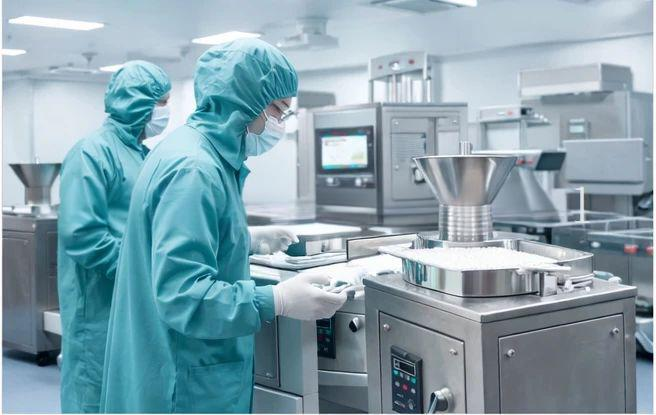
Comply with GMP standards, featuring easy-to-clean surfaces and validation-ready documentation.
On-Time Delivery
Reliable lead times for standard and custom equipment, supporting your production launch without delays.
Professional After-Sales
Global technical support and on-site installation/training to ensure long-term stable operation.