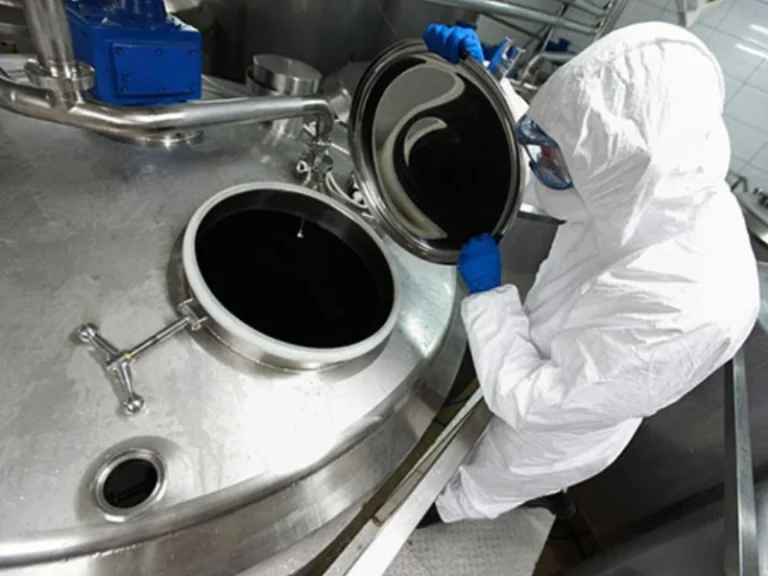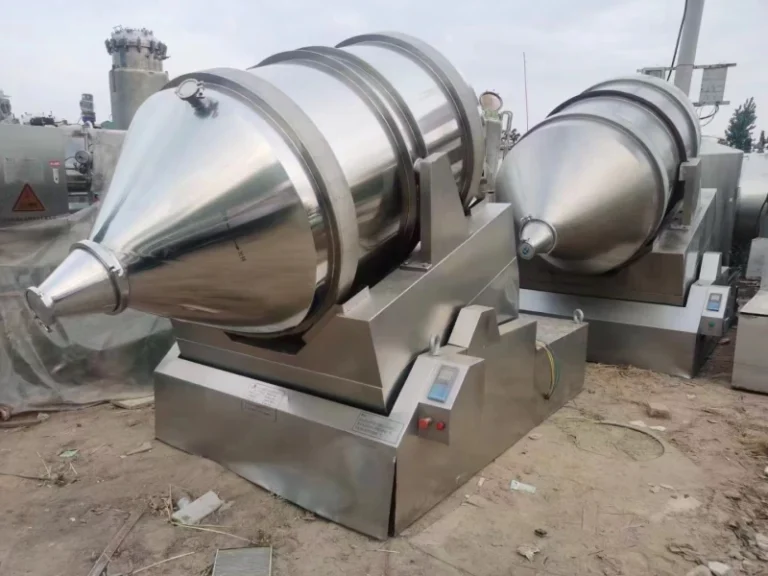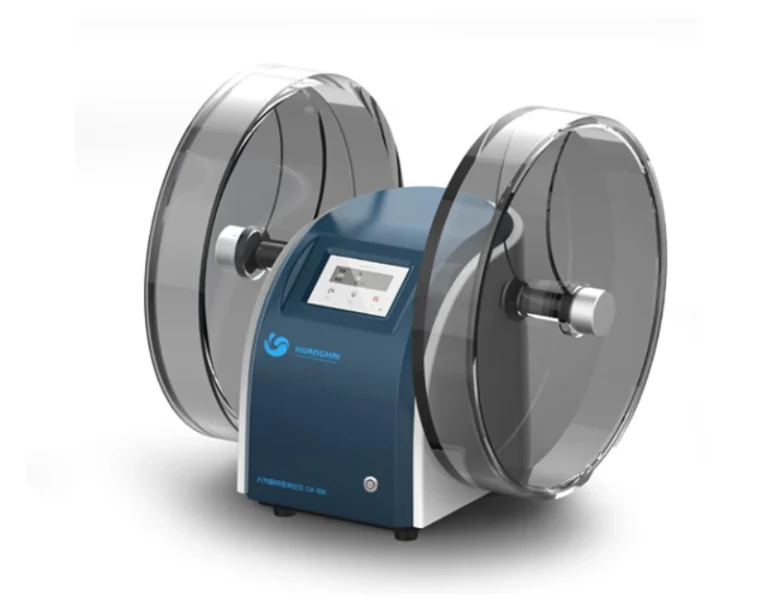
Markets wobble, budgets freeze, yet medical equipment pharmaceutical lines keep humming, because pills still need pressing and batches still need testing.
Buyers feel the pinch: high price tags, validation headaches, financing that drags.
JZC engineers state in 2025 briefs compliance upgrades stay nonnegotiable, keeping equipment investment steady.
Reading Notes on Medical Equipment Pharmaceutical Resilience
➔ Tablet Press Demand: Oral solid dosage equipment stays in use through downturns, driving steady investment in tablet presses and capsule fillers.
➔ Consistent ROI: Fermenters and fluid bed dryers yield reliable returns for biologics and powder processing despite macro swings.
➔ QC Safeguards: HPLC and UV-Vis systems remain budget-protected to meet GMP validation and data-integrity mandates.
➔ Financing Challenges: High upfront costs, complex IQ/OQ/PQ protocols, and uncertain residual values complicate leasing and asset-based financing.
Medical Equipment Pharmaceutical: Recession-Proof Stats
The medical equipment pharmaceutical space keeps humming even when the economy feels shaky. Demand doesn’t just vanish—people still need meds, labs still test, and factories keep running. From tablet lines to lab analyzers, this mix of medical equipment and pharmaceutical gear shows steady pull, with pharma equipment spending staying surprisingly consistent across cycles.
Skyrocketing Demand for Tablet Presses During Downturns
- Core driver: rising need for solid dosage forms in pharmaceutical production
- Output layer
- Tablet manufacturing scales quickly under pressure
- Compression machinery keeps uptime high
- Supply layer
- consistent medication supply supports public health
- visible recession impact actually boosts generics demand
- Output layer
- Operational view
- Drug formulation pipelines rarely pause
- batching stays active
- equipment like JZC presses fits continuous runs
- Drug formulation pipelines rarely pause
Short bursts of demand. Long cycles of use. That’s why medical equipment pharmaceutical buyers keep investing here.
Stable ROI on Fermenters and Fluid Bed Dryers
- Investment logic
- Biopharmaceutical processing anchors long-term capacity
- bioreactors drive biologics output
- drying technology ensures stable finishing
- Biopharmaceutical processing anchors long-term capacity
- Process chain
- active pharmaceutical ingredients production
- scale-up in biologics manufacturing
- efficiency gains via process optimization
- Outcome
- predictable utilization
- real investment stability across pharma equipment portfolios
Medical equipment pharmaceutical systems in this lane rarely sit idle.
HPLC Systems’ Role in Consistent QC Spending
- Non-negotiables in labs
- analytical instrumentation like chromatography tools
- verifies drug purity
- supports component analysis
- analytical instrumentation like chromatography tools
- Compliance stack
- quality assurance tied to regulatory compliance
- batch release depends on it
- audits demand traceability
- quality assurance tied to regulatory compliance
- Spending behavior
- steady quality control expenditure
- labs keep upgrading laboratory equipment
- medical equipment pharmaceutical budgets protect QC first
- steady quality control expenditure
Even in tight markets, this part doesn’t get cut—it’s mission-critical.
Pharma Equipment vs. General Machinery Resilience
A quick, real-world look at how medical equipment pharmaceutical demand behaves versus broader machinery. Think steady pipelines, strict rules, and nonstop output on one side, while capex swings and project timing shape the other. The vibe is simple: stability versus cycles, with practical implications for buyers and operators.
Pharma Equipment
- Core drivers of medical equipment pharmaceutical stability
- Regulatory backbone
- Mandatory validation for pharmaceutical manufacturing lines
- Audit trails across laboratory instruments and diagnostic equipment
- Continuous production
- Batch and continuous runs on fermenters and tablet presses
- Sterility uptime via sterilization systems
- Demand floor
- Ongoing clinical research and biotechnology tools usage
- Hospital pull-through from medical devices
- Regulatory backbone
- How it plays out on the floor1) Spec → IQ/OQ/PQ validation2) Controlled change management3) Predictable service cycles
- Buying note
- “medical equipment pharmaceutical” budgets rarely freeze; JZC aligns SKUs to validated configs, trimming downtime.
General Machinery
Short bursts, then pauses. That’s the rhythm.
- Capex sensitivity in industrial equipment and construction machinery
- Seasonality across agricultural machinery
- Upgrade waves in automation systems and material handling
- Practical signals
- Project bids slip; lead times stretch
- Utilization drops for heavy equipment
- Retrofits beat new buys in manufacturing tools
A mixed take: “medical equipment pharmaceutical” keeps humming, while general machinery waits on budgets. JZC balances both by pairing steady pharma lines with flexible service kits for cyclical fleets.
4 Reasons Equipment Pharma Resists Downturns
Medical equipment pharmaceutical demand doesn’t really chill when markets dip. People still need meds, and that keeps pharma equipment, medical pharma tools, and pharmaceutical medical equipment moving. From production lines to lab testing, spending stays sticky, and yeah, brands like JZC ride that wave steadily.
Essential Production: Capsule Fillers Keep Factories Running
- Core flow of manufacturing stays active
- production line uptime beats cost-cutting pauses
- Raw materials enter encapsulation systems
- machinery handles dosage forms at scale
- Output feeds continuous pharma supply
↳ Within this loop:
- pharmaceuticals demand consistency
- capsule fillers stabilize efficiency
- tablet presses reduce downtime
Medical equipment pharmaceutical setups here don’t get shelved; they’re the heartbeat. Even when budgets tighten, pharma medical equipment tied to output just keeps going.
Quality Assurance Priority: UV-Vis Spectrophotometers Hold Budgets
Short bursts of spending cuts rarely hit quality control. Why? Because analytical chemistry doesn’t compromise.
- laboratory testing supports daily release
- validation keeps regulators calm
Key performance snapshot:
| Tool | Accuracy (%) | Daily Tests | Compliance Role |
|---|---|---|---|
| UV-Vis | 99.2 | 120 | measurement standard |
| HPLC | 98.7 | 85 | impurity profiling |
| GC | 97.9 | 60 | solvent analysis |
Medical equipment pharmaceutical labs rely on this layer; cutting it risks shutdowns.
Regulatory Mandate: GMP Compliance Drives Ongoing Investments
Compliance isn’t optional, it’s enforced.
- good manufacturing practices anchor operations
- regulatory affairs teams push upgrades
Nested flow:
- Audit cycle
- internal quality systems review
- external audits trigger fixes
- align with standards and guidelines
- maintain certification status
Pharmaceutical medical equipment tied to GMP gets replaced, not delayed. That’s why medical equipment pharmaceutical spending holds steady.
Automation Edge: SCADA Systems Reduce Operational Costs
Quick view:
- industrial control trims labor
- process automation boosts output
Then it scales:
- data acquisition tracks every batch
- monitoring flags inefficiencies
- control systems auto-adjust
Multiple short hits:
Lower waste. Faster cycles. Cleaner logs. Better operational efficiency. Real cost savings.
Medical equipment pharmaceutical buyers lean into automation during downturns, not away from it. That’s where JZC quietly gains ground.
5 Pain Points in Equipment Financing
Keeping medical equipment pharmaceutical projects moving isn’t just about tech—it’s about cash flow, timing, and risk. In medical equipment and pharmaceutical equipment deals, financing friction pops up fast. From software gaps to asset uncertainty, even seasoned pharma equipment buyers hit roadblocks that slow production and strain budgets.
High Upfront Costs for Blister Packaging Machines
- Core drivers
- Precision packaging tolerances raise machinery cost
- Integrated automation boosts production speed but spikes investment
- Full-line equipment adds hidden install fees
Short take: in medical equipment pharmaceutical builds, blister lines are capital-heavy from day one. JZC helps structure phased funding so manufacturing doesn’t stall mid-rollout.
Complex Validation Protocols Impact Leasing Terms
1) IQ/OQ/PQ layers tighten leasing flexibility
2) Any move triggers fresh validation under strict regulatory rules
3) Lenders price in compliance risk and quality overhead
For pharmaceutical equipment, shifting a leased unit can cost as much as installing new. That reality reshapes agreements in medical equipment pharmaceutical environments.
Limited Access to Batch Control Software Financing
Key tension points:
• software lacks resale anchors
• control logic tied to plant-specific systems
• cybersecurity risks affect financing
In pharma equipment upgrades, JZC often bundles technology with hardware to make automation more bankable across medical equipment pharmaceutical sites.
Risk Assessment Hurdles with Sterilizers and Autoclaves
Risk stack in medical equipment pharmaceutical sterilization:
- sterilization safety → operator + product
- autoclaves validation → cycle integrity
- equipment insurance → higher premiums
- compliance audits → ongoing assessment
Lenders scrutinize every layer; one weak point can stall approval for medical equipment expansions.
Uncertain Residual Values of Used Bottle Filling Lines
| Factor | Impact on valuation | Risk Level | Notes |
|---|---|---|---|
| Custom filling formats | Low resale | High | Niche SKUs |
| Wear on machinery | Depreciation | Medium | Maintenance logs matter |
| Regulatory drift | Obsolescence | High | New manufacturing rules |
| Market demand | Price swings | Medium | Cyclical bottling needs |
In medical equipment pharmaceutical financing, shaky exit values weaken asset-backed deals. JZC counters this with hybrid models that balance assets and cash-flow metrics.