Case Overview
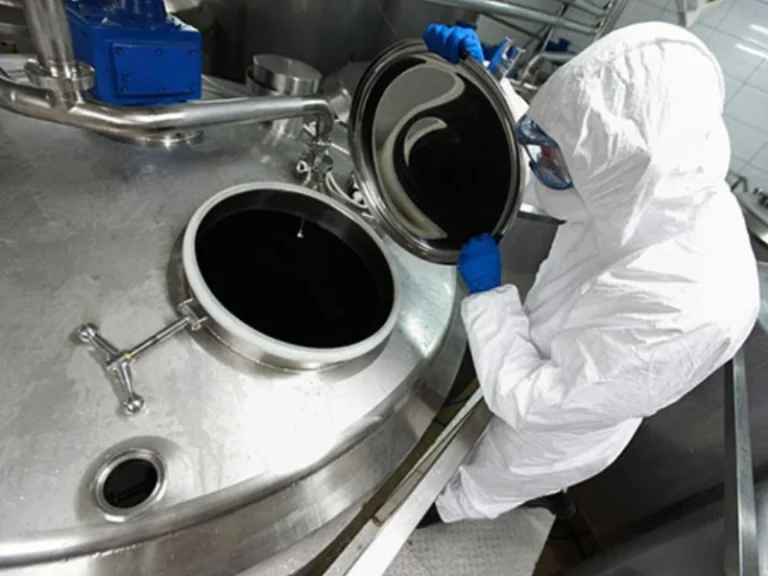
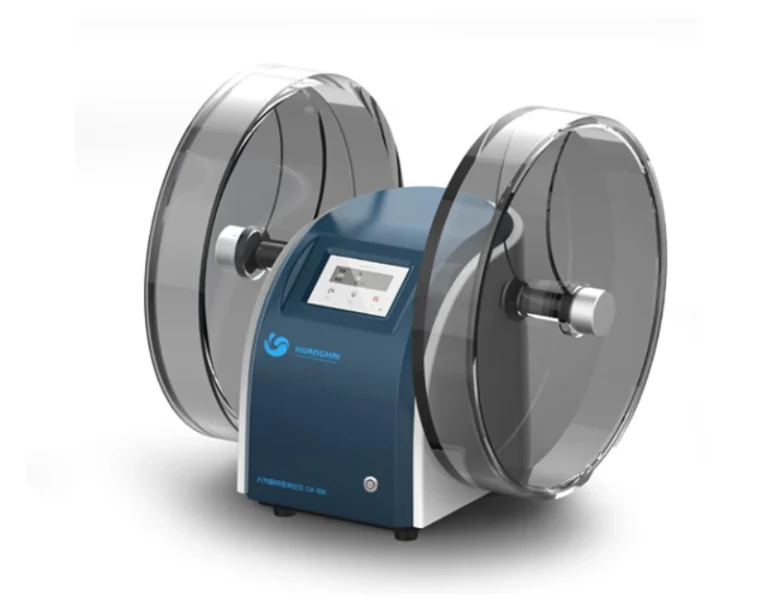
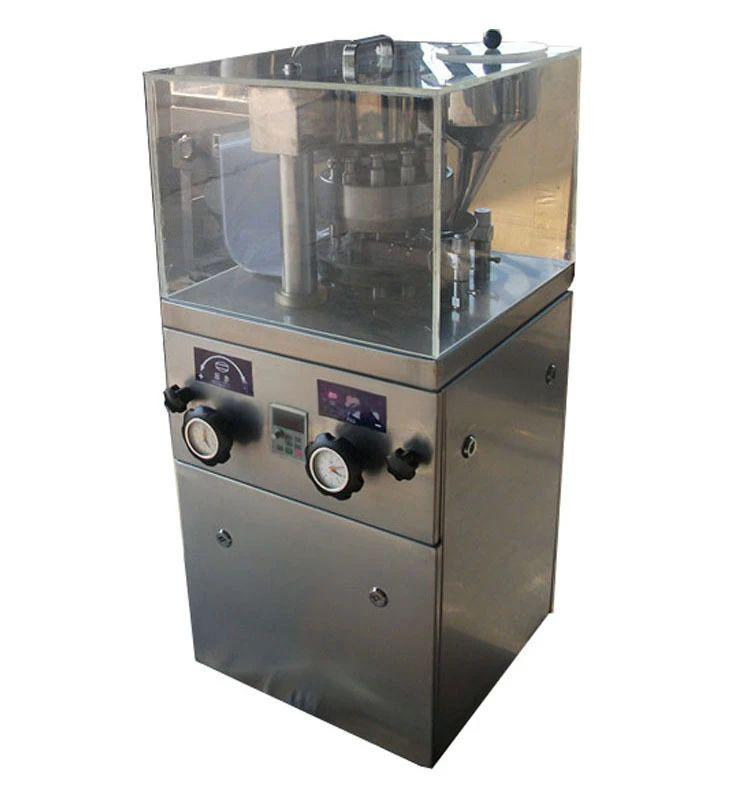
A new small‑to‑medium‑sized pharmaceutical company wanted to complete its lab and solid‑dosage production line. It worked with a limited budget and hoped to start production quickly. For these reasons, the company decided to buy a batch of used pharmaceutical equipment including production machines and lab testing devices.
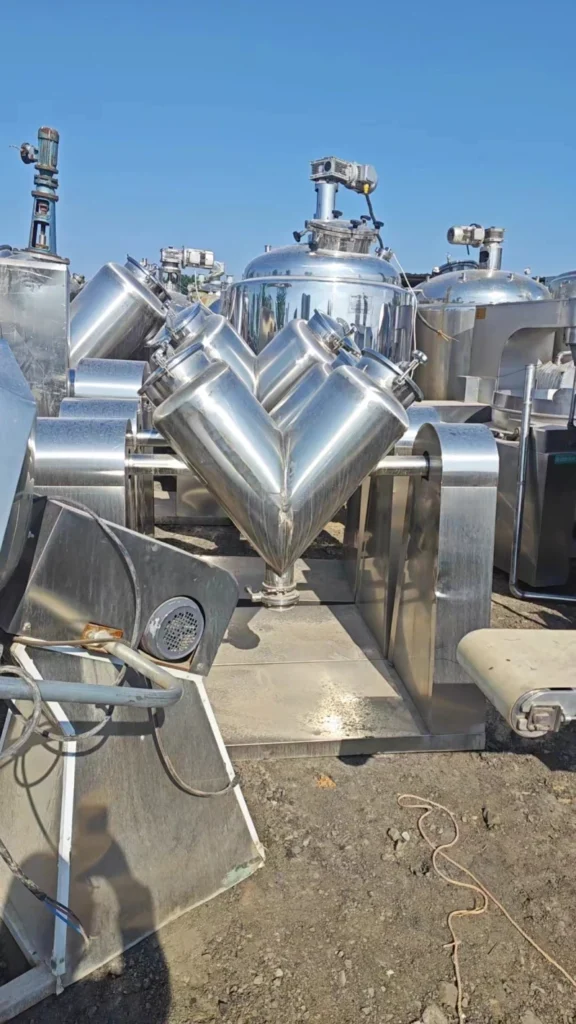
A new small‑to‑medium‑sized pharmaceutical company wanted to complete its lab and solid‑dosage production line. It worked with a limited budget and hoped to start production quickly. For these reasons, the company decided to buy a batch of used pharmaceutical equipment, covering required production machines and lab testing devices.
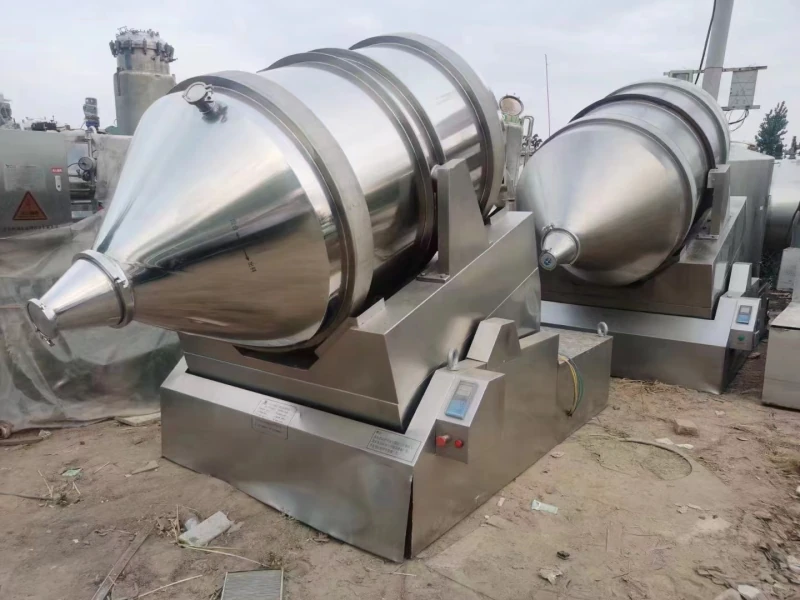
Choices of Second‑hand Pharmaceutical Equipment Supply Channels
Four safe and common legal channels are available in this industry. Companies can pick suitable ones based on their real needs.
In this project, the buyer sourced used pharmaceutical equipment from both qualified trading companies and idle machines from peer drug makers. This plan balanced equipment quality, compliance and cost performance.
Complete Purchasing Steps
-Clarify requirements and set purchasing standards
Before purchase, list all machines you need, their technical data, material rules and GMP requirements. Set your budget range. Make sure every machine meets these rules: use 316L pharmaceutical‑grade stainless steel, have a recent production date, run stably and come with complete technical papers. Stay away from old and scrapped devices.
-Collect supply information and finish online screening
Gather resource files from many suppliers through different channels. Compare machine models, production time, physical conditions, prices and configurations. Your equipment team and quality‑control team carry out the first review. Throw out machines that are too old, lack documents, use wrong materials or have frequent faults. Keep only good choices for further checks.
-Inspect and test machines on‑site
Send your equipment engineers and quality managers to check machines in person. Look over outer parts, inner chambers and worn components. Run the machines fully. Test their stability, working accuracy and control systems. Check nameplates, factory information and supporting documents. Make sure each machine comes from a legal source, has no faults and creates no safety risks. Take photos and videos for evidence.
-Talk business and sign formal purchase contracts
After you select target machines, discuss business terms. Write down machine conditions, rebuilding work, replacement parts, transport duties, payment plans and warranty service in detail. Sign an official sales contract. The contract must state legal ownership, no mortgage or seizure, warranty length, on‑site debugging and return rules for defective goods. These measures lower your buying risks.
-Dismantle, transport and accept delivered goods
Professional workers from suppliers take apart, pack and ship the machines with shock‑proof protection. When goods arrive, check machine models, quantities and outer conditions. Look for damage caused in transport, then finish initial acceptance.
-Install, debug, validate and start to use
Supplier technicians come to your site for installation, debugging, repair and replacement of wearing parts. They run each machine with no load and under real working load. Your company completes installation qualification and operational qualification. Confirm used machines reach performance standards for drug production and testing and pass GMP inspection rules. Now you can use them in formal production and lab work.
-File documents and build equipment records
Sort out operation manuals, nameplate records, debugging reports, purchase contracts and acceptance papers. Store all these files together. Add machine information to your company’s equipment management list. Good filing helps you pass official drug‑regulator checks later.
Purchase Summary
When you buy used pharmaceutical equipment, give priority to reliable second‑hand dealers and idle machines from peer pharmaceutical factories. Follow this standard process: confirm requirements → screen supplies → inspect machines on‑site → sign contracts → accept delivered goods → install and debug → file compliance records.
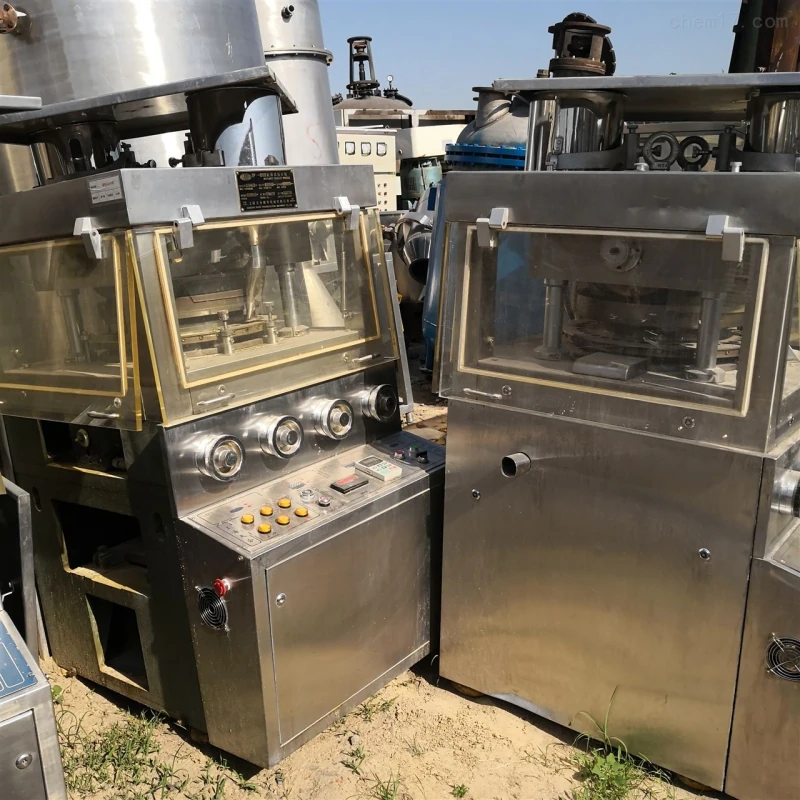
This method greatly cuts project costs and shortens your time to launch production. At the same time, it keeps stable machine quality and regulatory compliance. The purchased equipment fully supports pharmaceutical production, quality testing and official GMP inspection.
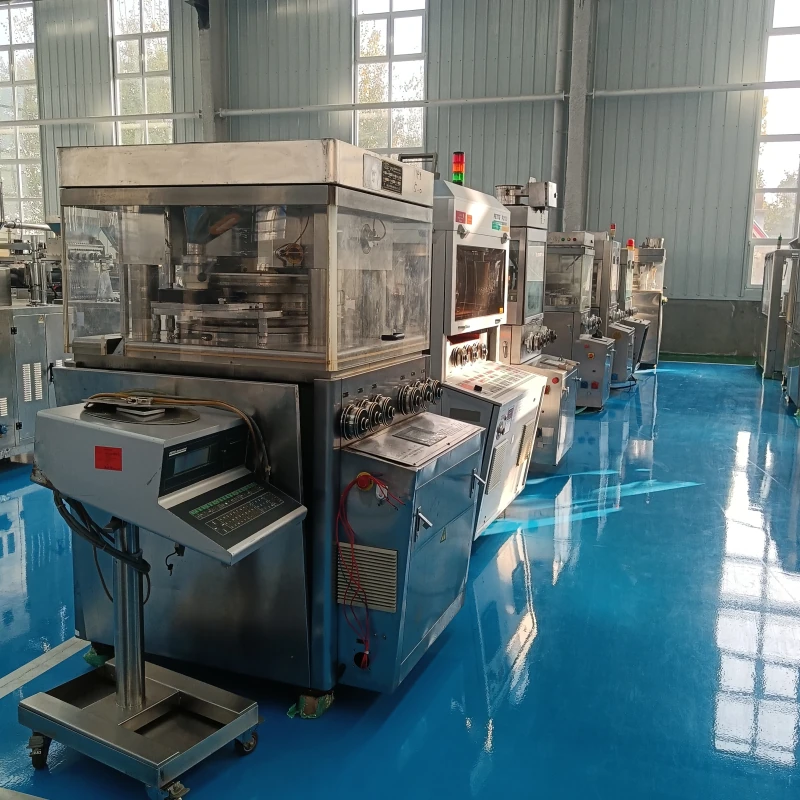
Full Conclusion
This case shows that standard and systematic purchasing work can help pharmaceutical companies safely buy high‑quality used pharmaceutical equipment. By choosing formal supply channels and following complete checking and filing procedures, enterprises effectively avoid quality risks and GMP inspection problems. This scientific purchasing method saves money, shortens the construction cycle, and ensures stable, safe and compliant production operation.