

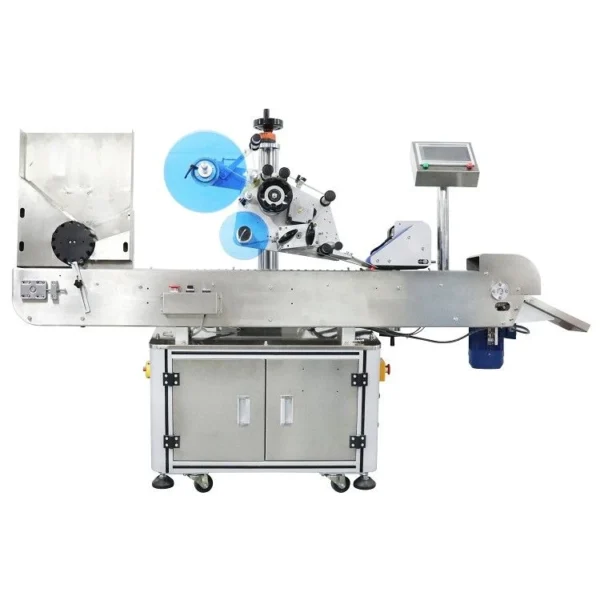
Description
What is a Blister Packing Machine
Benefits of Blister Packing Machine
01. Protection
02. Marketing Value
03. Cost-effective
04. Good Visibility
05. Tamper-resistant
06. Customization
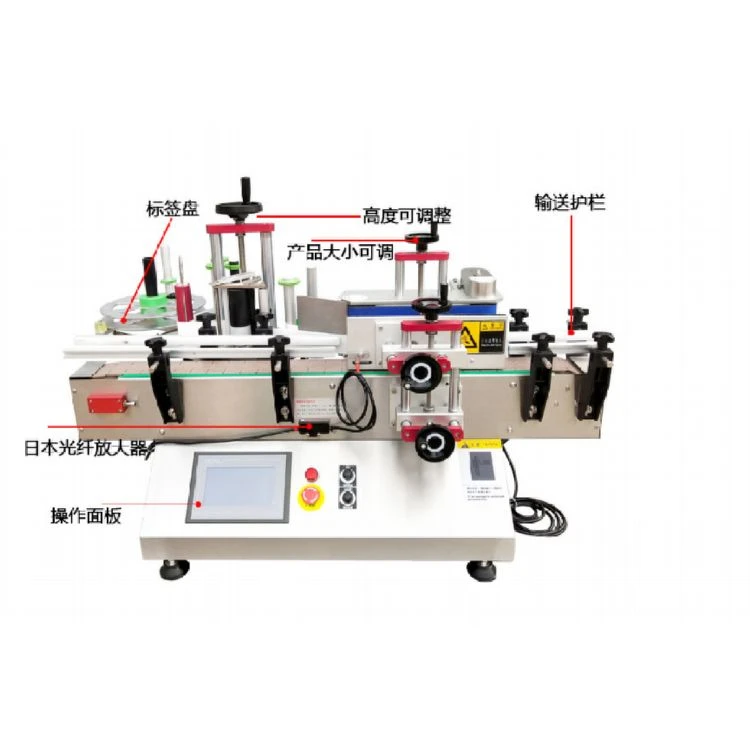
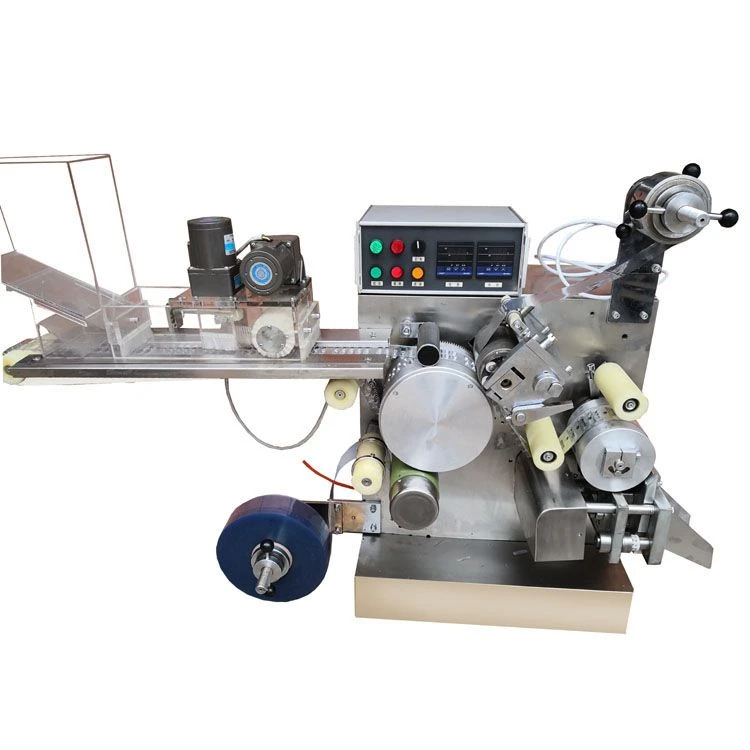
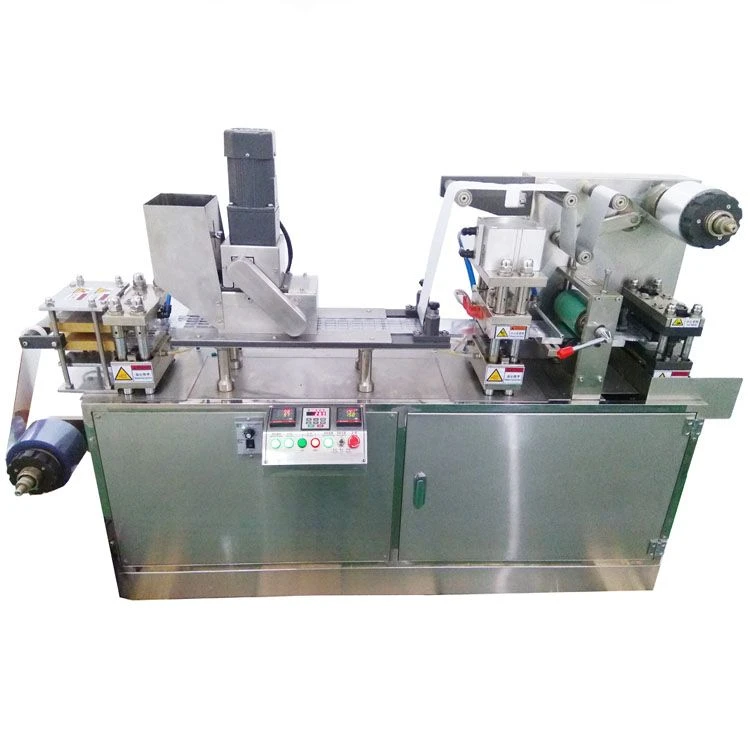
Why Choose Us
- One-stop Service
- Customer Satisfaction
- Competitive Pricing
- Quality Assurance
- Professional Experience
- Reliable Customer Service
Materials Used in Blister Packaging
1. Packaging Forming Film
Plastic film works well for blister packaging. It blocks carbon dioxide, oxygen and water vapor. It has strong mechanical strength, high transparency and is not easy to crack.
Hard plastic films such as cellulose, vinyl resin, polystyrene, PVDC and PVC can be used for blister forming. At present, PVC plastic sheet is widely used for pharmaceutical blister packs. It blocks light and water vapor and produces little strange smell. However, PVC does not resist moisture very well. If you need better moisture resistance, choose PVDC or its composite materials.
2. Substrate
White cardboard is the common substrate for blister packs. It is made from bleached wood pulp or recycled base board covered with white paper.
We need to consider the size, shape and quality of cardboard when selecting materials. The thickness of white cardboard ranges from 0.35mm to 0.75mm. The most common thickness is 0.45mm to 0.60mm. The cardboard surface should be white and smooth for clear printing. The heat-seal coating must stick firmly to the board. After heating, the coating connects cardboard and blister tightly to stop products from falling out.
3. Coating Material
Types of Blister Sealing Machines
Roller Type Blister Packing Machine
Its working process is simple. Heaters soften the plastic forming film. Vacuum force pulls the soft film onto a rolling mold roller to form blisters. Then the machine fills products into blisters.
A heat sealer sticks the coated cover film onto blisters under proper temperature and pressure, sealing products inside.
Roller Plate Blister Sealing Machine
Flat Plate Blister Sealing Machine
Flat heaters soften the forming film. Compressed air blows the soft film to form blisters inside flat molds. Then workers or machines fill products into cavities.
Materials move to flat sealing stations. Cover films seal with shaped blisters under suitable pressure and temperature. Later, the machine prints batch numbers and presses broken cutting lines. Finally, a punching device cuts finished packs to required sizes.
How to Select the Right Blister Packaging Machine for Production
You must pick a machine matching your production needs. Two main styles are available: flat plate type and rotary type.
All stations of flat plate machines run at steady speeds. They work slower than rotary machines, but molds can be changed easily. They fit complex-shaped medicines, ampoules, vials and injections. Adjustment and operation are simple.
Rotary machines run at different speeds for different stations. For example, punching stations work much faster than forming stations. You need to adjust speed ratios when changing molds, which used to take more time. New servo systems greatly improve flexibility. Rotary machines use roller sealing molds which are harder to produce, but they run faster.
Choose flat plate machines if you make many product types with small batches and often change molds. Pick rotary machines if you produce single products in large volumes without frequent mold changes.
Components of Blister Packaging
Forming Film
Forming film creates cavities to hold products. We choose film based on material features, grade and thickness. Cavity shapes fit products with small gaps to avoid squeezing goods.
The film needs proper hardness. Hard enough to keep shape but easy for users to open. Too hard makes products hard to take out. Too soft may damage inside items.
Backing Lidding Material
Lidding fixes products inside blister cavities. Three common types exist: push-through packs (PTP), peelable lids and mixed designs.
Push-through packs are typical medicine packages. People push tablets to break aluminum lids and take medicine out. Peelable lids separate without breaking blisters and are widely used for consumer goods. Mixed push-peel lids need two steps to open. This special design creates child-resistant packs and stops kids from taking medicine carelessly.
Common lidding materials include aluminum foil, PET film, paper or composite materials. Aluminum foil has two types: soft temper and hard temper.
Soft aluminum foil can stretch a little before breaking. It fits tablets and lozenges and works well for child-resistant medicine packs. The usual thickness is 0.025mm.
Hard aluminum foil cannot stretch. It tears easily under force and suits push-through or peelable covers. Single-layer hard aluminum foil is about 0.02mm thick for normal PTP medicine packs.
Hard aluminum foil can also combine with paper and PET for child-safe mixed packs. Users first peel off paper and PET layers, then push tablets through aluminum foil.
Heat-seal Coating
Heat-seal coating connects plastic blisters and lidding materials. Workers spread liquid polymer resin on lidding surfaces through rollers, knives or spraying. Suitable coating thickness ensures airtight sealing. The resin dries on foil and melts again during heat sealing.
Good heat-seal resin features low melting temperature, low friction, high gloss and transparency. Resins for food and medicine must pass FDA safety tests for direct product contact.
We have solvent-based and water-based coating materials, such as PVDC and acrylic resin. Extrusion films including LDPE, LLDPE and EVA are also widely used.
Printing on Blister Packs
Best Practices for Blister Packaging Heat Seal Equipment
Check blister machines regularly. Dust and waste will affect sealing quality and let moisture enter packages.
Watch for dirty or worn sealing molds. Damaged molds change texture patterns and cause weak, uneven seals that break easily.
Clear texture patterns on molds are necessary for strong sealing. The patterns help plastic stick tightly with paper or aluminum lids under heat and pressure.
Control machine settings carefully. Too much pressure or fast running speed may crack aluminum foil and destroy seals.
Worst of all, tiny invisible cracks may appear on plastic seals because of poor heat sealing. These cracks shorten product shelf life. This risk is very serious for medicine, which goes bad easily through oxidation.
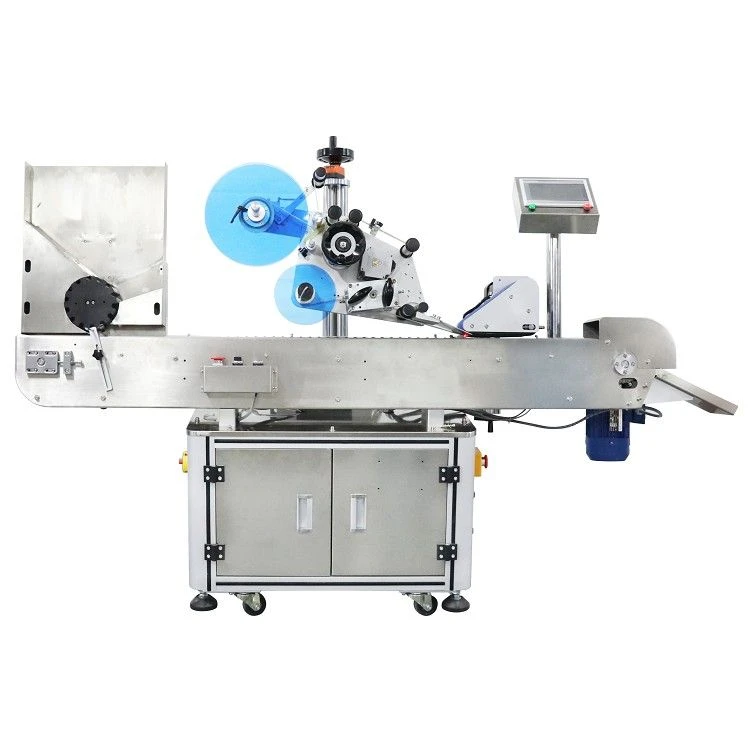
Cost Introduction of Blister Packaging Machine
Blister packaging seals goods inside plastic packs. The whole process includes cutting substrates, loading products and heat sealing. A blister packing machine finishes all these steps.
Both food and solid medicine can use blister packs. Machines support automatic printing and manual feeding. They are affordable and meet health production standards. Aluminum plastic blister machines are specially designed for food and pharmaceutical factories.
Transparent plastic sheets are common blister materials. They last long and block moisture and oxygen. Buyers can see products clearly during transport. Heat seal equipment locks products safely inside packs.
Blister packing machines use touchscreen control panels. Operators set production parameters and change parts easily. Rollers carry materials steadily and cooperate with other machine parts to achieve tight sealing.
These machines suit mass production. They run at high speeds and fit many kinds of products, especially pharmaceutical items. They pack tablets, capsules and ampoules. Machines can print batch codes and create anti-tampering packaging to improve medicine safety.
Blister packing machines are worthy investments for most factories. They safely pack medicines, spice mixes, food, cosmetics and toys that need protection from outside environments.
How to Clean a Blister Packaging Machine
Use lint-free cleaning solutions to wash blister machines. Cut off power and air supply before cleaning. Wipe away leftover materials with dry cloths. Clean hoppers, bowls and all removable parts.
Different machine models need different cleaning steps. Always follow the official standard operation manual. Remove all dust and dirt completely. Put waste and removed parts into plastic bags before moving them to cleaning areas.
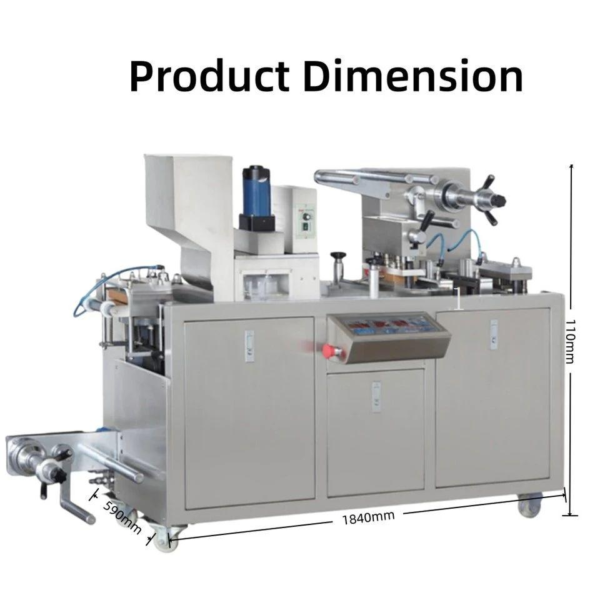
Machine frames are built with mild steel or 304 stainless steel. Modular parts are installed above, with wires arranged underneath. Servo motors control feeding and moving systems. Bearing seats and cam structures support heat sealing systems.
Blister packing machines are flexible for many products and easy for mass distribution. They are popular in cosmetic industry because they block gas and moisture and extend product shelf life. The machines are safe for chemical, food and medical use.
Many sensors are installed to keep stable production cycles, including temperature sensors and position sensors. Sensors support steady running. The machines are simple to operate and maintain and lower long-term repair costs.
Machine parts differ between models, but all work together to form blister cavities. You need smooth part replacement, stable temperature control and compatibility with various packaging materials. Spare parts are easy to purchase.
Before cleaning the touchscreen control panel, take apart related modules and wipe surfaces with purified water and lint-free cloth. Clean punching, sealing and embossing molds as well. Wash acrylic safety shields with water and detergent and dry them fully with clean cloths. Mark cleaned parts and put them back onto machines.
Reviews
There are no reviews yet.