

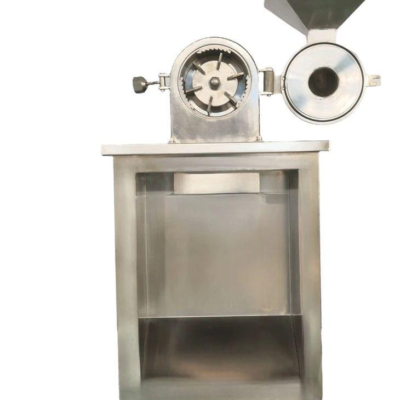
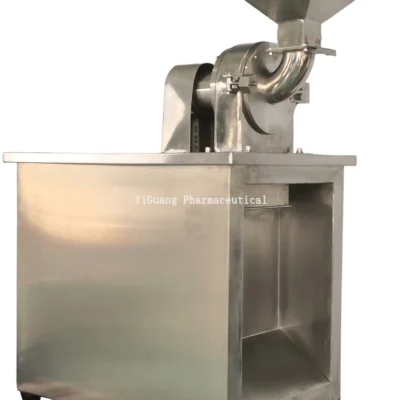
Description
What Is a Pulverizer?
A pulverizer’s main job is to crush big pieces of materials into fine, even powder. This brings many benefits. It speeds up chemical reactions, makes materials easier to move and store, and gets raw materials ready for further processing.
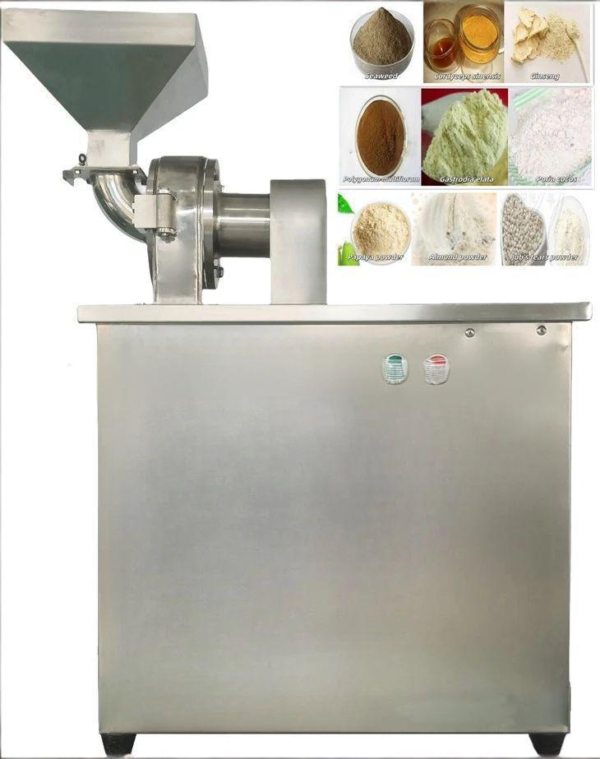
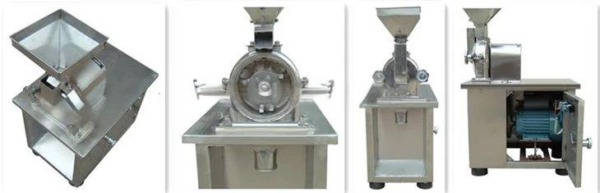
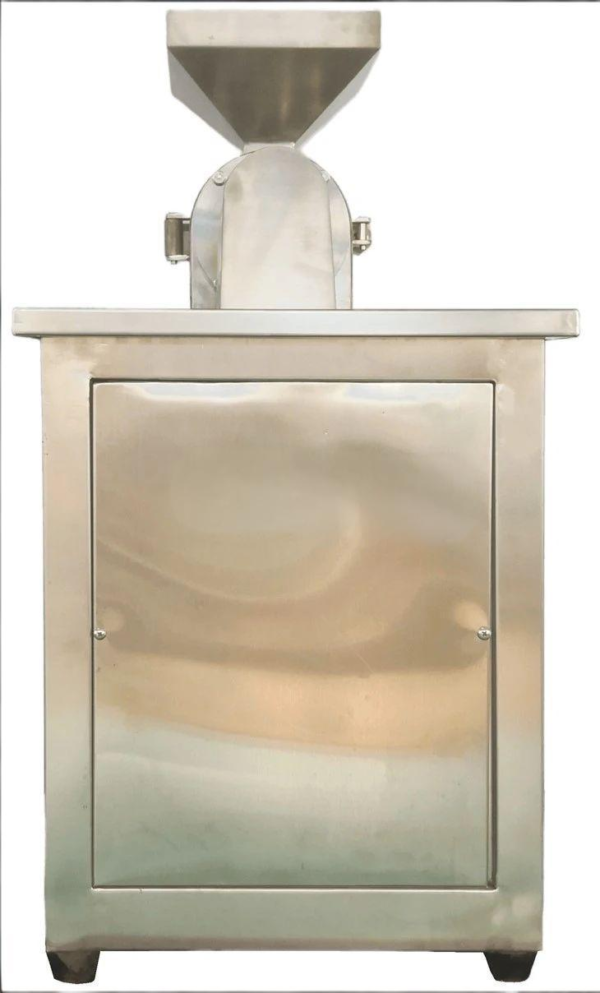
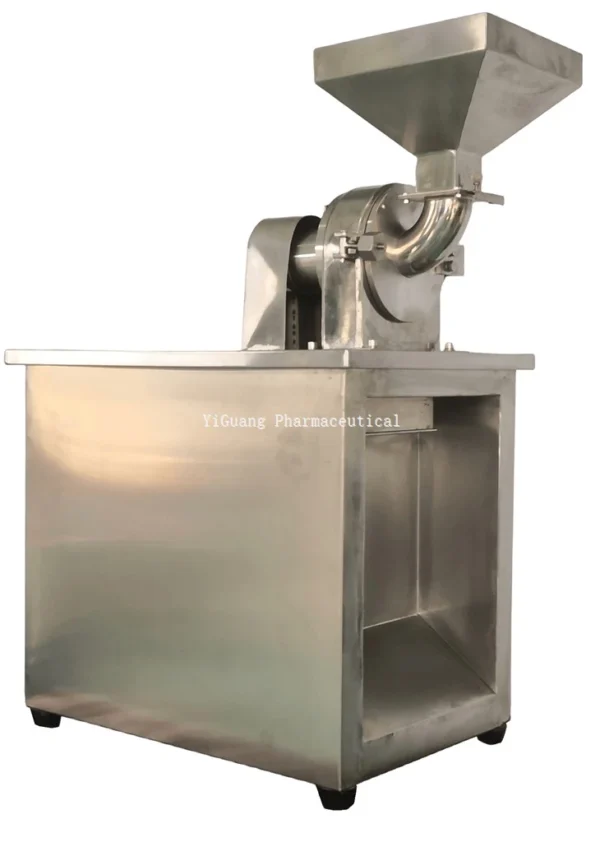
A pulverizer is a machine that grinds and crushes solid materials into small bits or fine powder. It is widely used in many industries such as mining, cement production, chemical processing and food manufacturing. It cuts down material sizes and increases their surface area.
Advantages of the Pulverizer
- Cuts Costs
Besides lowering construction costs, pulverizers help businesses earn more profits. They recycle old asphalt and reduce waste output. This helps companies follow environmental rules and avoid fines. Using recycled materials also helps factories get LEED certification, which gives them an upper hand in the construction industry.
- Boosts Working Efficiency
Pulverizers greatly improve work efficiency. Traditional ways to remove asphalt need heavy machines and lots of workers. This method wastes time and slows down construction work. But pulverizers can quickly grind asphalt surfaces into reusable materials. In this way, construction projects can be finished faster and more smoothly.
- Eco-friendly
Pulverizers are friendly to the environment. When you use a pulverizer, you recycle waste asphalt and reduce rubbish sent to landfills. It saves natural resources and lowers the carbon output of construction projects. Using this machine helps build a cleaner and more sustainable world.
- Wide Application Range
The wide usability of pulverizers is a big plus for construction firms that take different kinds of projects. These machines can grind road surfaces, concrete and rocks. They fit many construction tasks including road building, building demolition and earth excavation.
- Long Service Life
Grinding pulverizers are a smart investment because they are extremely tough. They can work in terrible working conditions and run normally under very high or low temperatures.
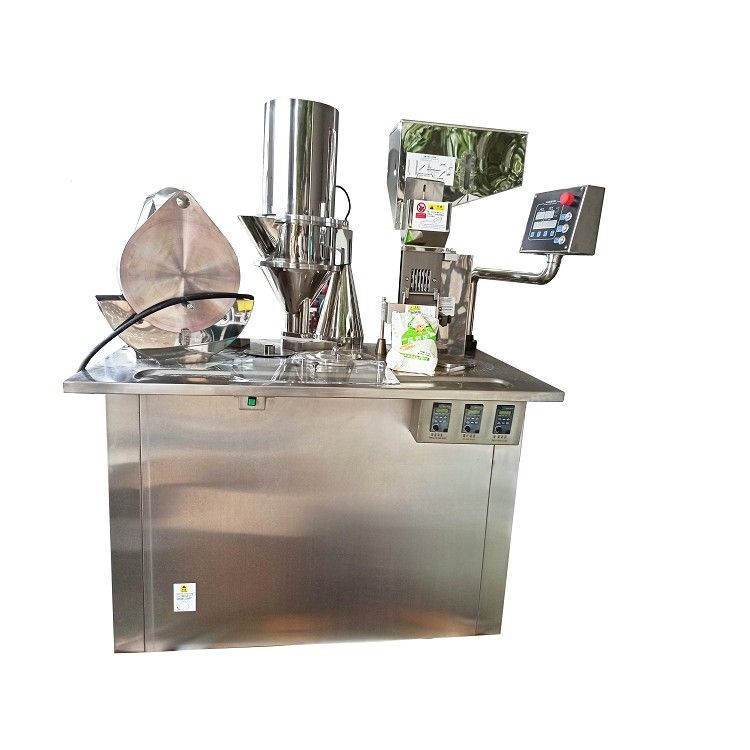
Capsule Filler Machine
This machine can fit capsule caps and bodies, and fill powder into capsules. It works well for medium and small batch production in medium and small pharmaceutical factories.
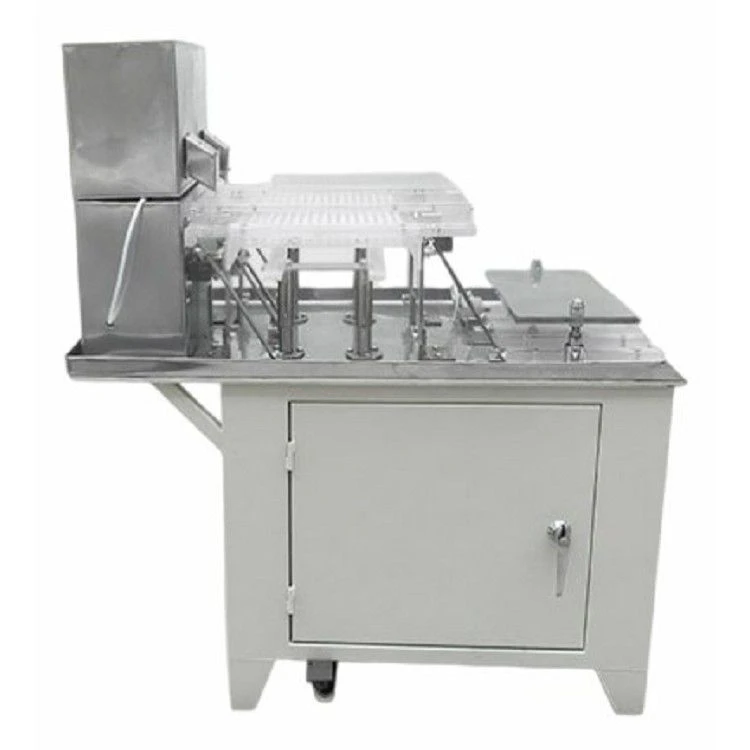
DCX-4 Semi-automatic Capsule Filling Machine
It is a new type of pharmaceutical packaging machine. It can fill all kinds of domestic and imported empty capsules.
Suitable Scenes for Pulverizers
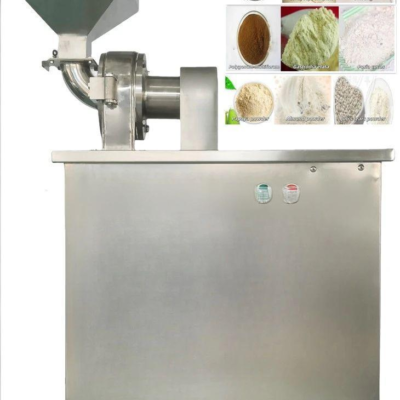
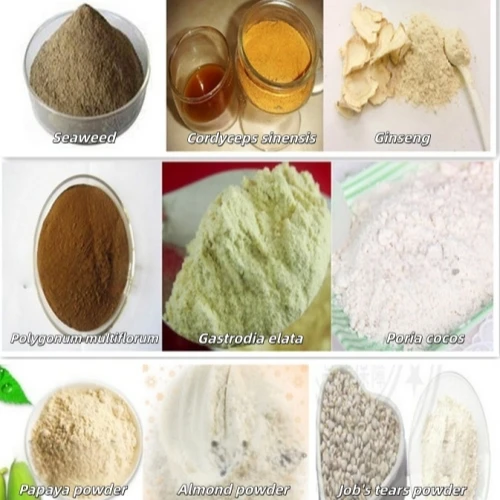
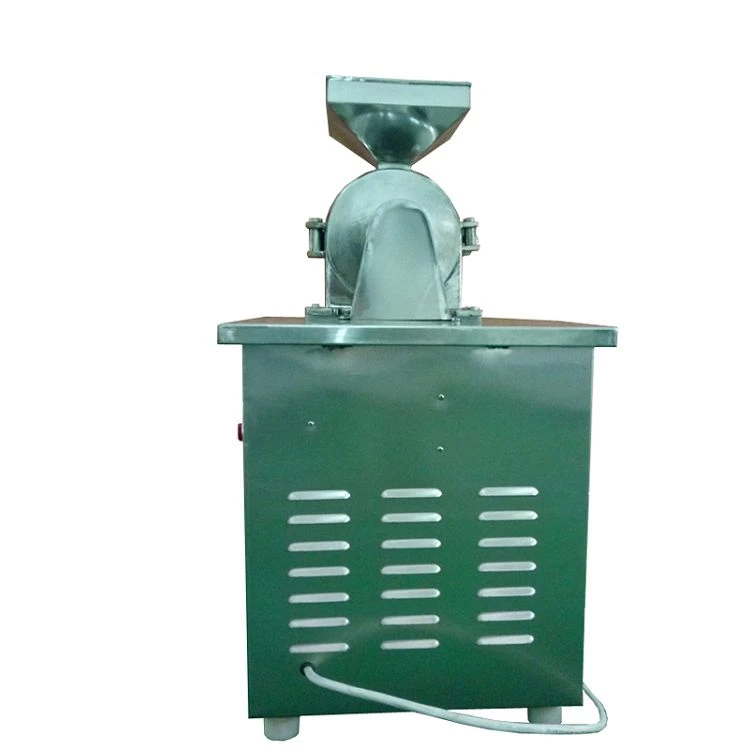
This pulverizer can be placed in preparation rooms, pharmacies, outpatient clinics, food processing factories and other places. It can grind all kinds of medicinal herbs: roots, stems, leaves, flowers, fruits, barks and dehydrated vegetables.
Six Reasons to Choose Our Products
-
Quality:Reliable Quality All customers want high-quality machines that can meet their production demands and expectations.
-
Reputation:Good Industry Reputation A company or brand’s reputation plays an important role when customers make purchase decisions. Buyers usually choose manufacturers that enjoy high praise in this industry.
-
Customer service:Thoughtful Customer Service Companies with good customer service easily win customers’ trust. They make every buyer feel valued and satisfied with their shopping experience.
-
Experience:Rich Production Experience Well-established manufacturers with long-term experience know their machines very well. They can provide higher-quality equipment and complete professional technical support for all buyers.
-
Convenience:Easy to Use All customers like convenient machines. Good equipment saves time, reduces operation difficulty and raises overall production speed.
-
Safety and security:Complete Safety Protection Safety is the top concern for every customer when using industrial machines. Our machines are equipped with complete safety structures and strict safety operation rules to fully protect users.
Types of Pulverizers
-
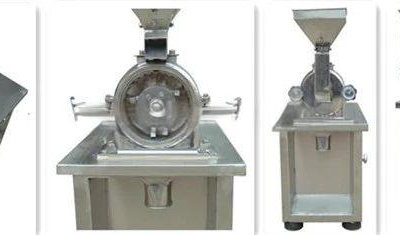
Large-scale Pulverizer: It can produce more materials under the same grinding fineness. It is mainly used for crushing mineral raw materials in metallurgy, building materials, chemical industry, mining, highway construction, water conservancy and hydropower, refractory materials, steel and other industries.
-
Small-sized Pulverizer: Its output is lower under the same grinding standard. It is mostly used for material crushing in food, chemical, pharmaceutical, greening, sanitation and other industries.
-
Coarse Crusher: It is mainly used for primary rough crushing and pre-processing in all industries. Its core function is to turn large raw materials (5-10 cm in diameter) into granular materials with a diameter of 5-10 mm.
-
Medium & Fine Pulverizer: It fits medium and fine grinding work in various industries. It processes granular materials into medium-fine powder that meets standard sizes, which can be used as finished products or for follow-up processing.
-
Ultrafine Pulverizer :It is designed for ultrafine grinding work in most industries. It further grinds coarsely crushed materials into superfine powder of required sizes. It is widely used for raw material processing of high-end products.
Applications of the Pulverizer
Spice Grinding:Pulverizers are widely used to grind spices like cumin, coriander, turmeric and pepper into fine powder. These ground spices are essential raw materials for all kinds of dishes.
- Grain Milling
They can be used in families and commercial kitchens to grind grains such as wheat, rice and corn into flour. Freshly ground flour is popular for making bread, flatbread and other baked food.
- Herb Grinding
Pulverizers grind dried herbs and leaves into powder. This process is common for cooking and herbal medicine preparation.
- Nut Grinding
The machine can grind almonds, peanuts, cashews and other nuts into powder or nut paste. Nut pastes are widely used in sauces, dips and desserts.
- Coffee Grinding
In the coffee industry, special pulverizers (coffee grinders) grind coffee beans into powder of different thicknesses to make coffee drinks.
- Bakery and Confectionery Production
Ground raw materials such as powdered sugar and cocoa powder are necessary for making cakes, chocolates and other sweet food.
- Food Raw Material Pre-processing
Pulverizers break large food raw materials into small, easy-to-process pieces before cooking or deep processing.
How to Choose a Suitable Pulverizer
- Confirm Types of Waste Materials to Crush
Different plastic pulverizers are made to handle specific plastic waste. You need to check the composition and physical features of your plastic materials. Some machines work better with hard plastics such as plastic bottles and containers. Others are good at grinding soft plastic films and sheets. Make sure the machine matches the plastic waste you plan to recycle.
- Confirm Required Output and Processing Capacity
Figure out the output and processing capacity your plastic recycling factory needs. These standards depend on your factory scale and the total amount of plastic waste you process every day. You should check factors including motor power, grinding speed and feeding capacity to make sure the machine can fully meet your daily production needs.
- Particle Size Control Function
The ability to control the size of crushed plastic particles is very important for all plastic recycling work. You need to decide the range of particle sizes your recycling process requires. Some machines are equipped with adjustable screens and sieves to control the final particle thickness. Make sure the machine you pick can produce particles that meet your recycling standards.
- Machine Cost and Return on Investment (ROI)
Evaluate the total cost of the plastic pulverizer and calculate its potential return on investment. You need to consider not only the initial purchase cost, but also long-term running costs including power consumption and regular maintenance fees. Machines with higher prices usually have higher efficiency and longer service life. They can help you save much money in the long run and bring higher ROI.
- Machine Structure and Design
Check the structure and design of the machine to make sure it fits your factory’s working conditions. Consider its floor space, installation difficulty, maintenance needs and safety devices. Well-designed machines have simple control panels and easy-to-take-apart parts. They simplify daily operation and raise overall production efficiency.
- Energy Saving Performance
Energy saving is important to cut running costs and reduce pollution. Try to pick plastic pulverizers with energy-saving designs, such as high-efficiency motors and optimized grinding structures. Energy-saving machines can greatly cut power use while keeping high production capacity.
- Durability and Maintenance Convenience
Check the machine’s build quality, durability and maintenance requirements. Choose machines with strong frames, high-quality metal materials and stable spare parts. They can work continuously for a long time. Besides, check if maintenance work is easy to finish, spare parts are easy to buy, and cleaning and inspection are simple.
Working Principle of the Pulverizer
- High-speed Rotation and Centrifugal Force
A motor provides power for the pulverizer. The motor drives a main shaft to rotate at high speed. When the shaft spins fast, it creates strong centrifugal force. Centrifugal force is the force that pushes objects away from the center when they move in a circle. This force is the key power that lets the pulverizer finish grinding work.
- Advantages of Pulverizer Structure Design
The pulverizer uses a universal transmission shaft with V-belts, driven by a standard electric motor. This structure sends enough power to the grinding tank. It also protects the motor from direct vibration to extend its service life and improve grinding efficiency. The machine supports different processing capacities. It can install multiple grinding tanks, and its maximum single-time processing capacity can reach 1600 grams.
- Interaction of Internal Grinding Parts
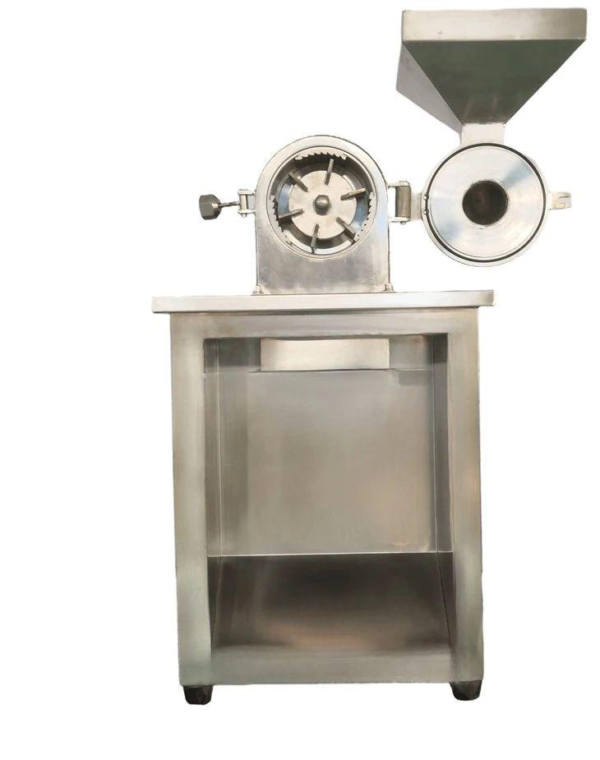
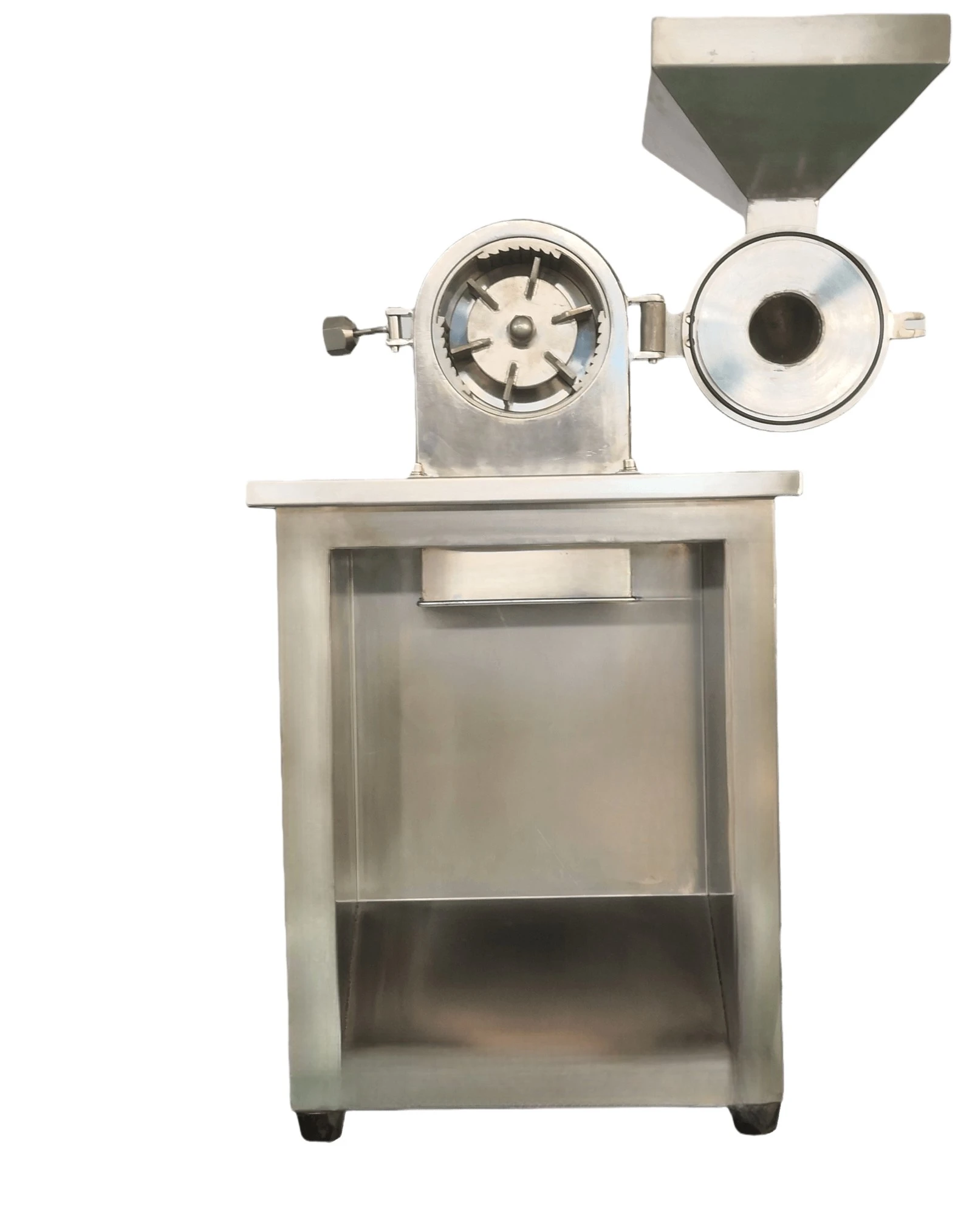
Inside the pulverizer, there are parts such as grinding tanks, grinding hammers and grinding rings. All these parts are fixed on the rotating main shaft. When the shaft spins fast, these parts move at high speed together. Under centrifugal force, the grinding hammers and rings continuously hit, squeeze and rub the materials inside the tank. This action crushes large materials into tiny particles.
- Wide Application and Flexible Usability
Pulverizers are flexible machines. They support both batch processing and continuous processing. They can grind materials into different thickness levels according to production needs. There are many kinds of pulverizers including grinding mills, crushers and impact grinders. Each type fits special processing tasks such as coal, concrete and food raw material grinding.
Safety Precautions for Using the Pulverizer
- Centrifugal Force Generated by High-Speed Rotation
The pulverizer is powered by a motor that drives the main shaft to rotate at high speed. Powerful centrifugal force is generated as the main shaft spins rapidly. Centrifugal force refers to the force that pushes objects away from the rotation center during circular motion, and it serves as the core driving force for the pulverizer to complete crushing work.
- Advantages of Machine Body Design
The pulverizer adopts a transmission structure combining a universal transmission shaft and V-belts, driven by a standard motor to deliver ample power to the grinding chamber. This transmission structure isolates the motor from direct vibration, extending the motor’s service life while boosting grinding efficiency. The machine supports multiple processing capacities and can be fitted with several grinding tanks, with a maximum single-batch material handling capacity of 1600 grams.
- Interaction of Internal Grinding Components
The pulverizer is equipped with internal components including grinding tanks, grinding hammers and grinding rings, all fixed onto the rotating main shaft. When the main shaft rotates at high speed, all grinding components move rapidly in sync. Driven by centrifugal force, grinding hammers and grinding rings continuously strike, squeeze and rub materials inside the tanks, breaking large chunks of raw materials into fine particles.
- Wide Application Range for Various Working Conditions
This pulverizer features strong versatility and supports both batch processing and continuous processing. It can crush materials into different particle fineness levels to meet diverse production requirements. There is a full range of pulverizer types, including grinders, crushers and impact pulverizers, each designed for processing different materials such as coal, concrete and food raw materials.
Operation Steps and Safe Usage Rules of the Pulverizer
Operation Instructions
-
Fixed pulverizers must be installed firmly on cement bases. If you often change working sites, install the pulverizer and its motor on a base made of angle iron. If a diesel engine drives the pulverizer, their power should match: the diesel engine’s power should be a little larger than the pulverizer’s power, and their belt wheel grooves should be the same. The outer end faces of the two belt wheels should stay on the same flat surface.
-
Before starting the machine, check if all connecting bolts on the whole machine are tight, if the transmission belt’s tightness is proper, if the power cord is in good condition, and if the motor shaft and pulverizer shaft stay parallel.
-
Check if grinding hammers are intact, if sieve holes fit your needs and the sieve has no damage. Turn the belt wheel by hand to check if the main shaft rotates smoothly without jamming, collision or friction noises.
-
After starting the machine, let it run without materials for 2 to 3 minutes. Check if the rotor turns in the right direction and if there are strange noises. You can only start feeding materials after it runs smoothly at rated speed.
-
Keep watching the pulverizer’s working state all the time during operation. Feed materials evenly to avoid blockage and motor overload. Do not let the machine run with heavy loads for a long time. If you find strong vibration, strange noises, overheated bearings and machine body, or materials splashing out, stop the machine at once for inspection. Do not restart until all faults are fixed.
-
Check raw materials carefully before grinding. Do not let hard foreign objects such as stones and metal pieces mix into raw materials, or they will break the machine.
-
Operators cannot leave the machine during operation. Do not take the machine apart to check the grinding room while it runs. Do not place maintenance tools on the machine or feeding hopper.
-
Operators are not allowed to wear gloves at work. When the machine is blocked, never put your hands into the feeding hopper to clean it. Stand on the side of the pulverizer when feeding materials to prevent rebounding fragments from hurting your face.
-
Do not turn off the machine right after finishing all grinding work. Let it run empty for another 2 to 3 minutes to fully discharge all leftover materials inside the machine. After shutting down, carry out cleaning and maintenance work.
-
Grinding hammers are main wearing parts. When their edges and corners wear down, you can turn them around for repeated use. If they wear badly, replace the whole set of hammers at the same time. Sieves are also wearing parts. Small damaged areas of sieves can be fixed by riveting; replace the whole new sieve if the damage is serious.
-
After the machine runs for 300 hours, take apart the bearings, clean them and replace lubricating oil. Remove the transmission belt if you will stop using the machine for a long time.
Safe Operation Rules
-
You can feed crops evenly and continuously only after the machine starts and runs at normal stable speed.
-
Pay attention to the motor’s rotating speed, machine noises and bearing temperature during operation.
-
Stand beside the feeding port when feeding materials. Fasten your coat sleeves, and wear a dust mask and work cap.
-
Check raw materials before feeding. Make sure no hard objects such as stones, sickles, tool screws mix in the grains to avoid machine damage and personal safety accidents.
-
Do not hang belts, add lubricating oil, clean the machine or check faults while the machine rotates.
Stop the machine and cut off power immediately if you find the following problems: ① Smoke comes out of the motor; ② Material blockage happens inside the machine; ③ The grinding quality cannot meet standards; ④ The bearing temperature rises above 60 degrees Celsius.
Summary
Pulverizers are multi-functional, efficient and eco-friendly grinding machines with wide industry applications. They can process various food, herbal, industrial and construction materials with stable performance and low running costs. With reliable quality, safe design and simple operation, our pulverizers suit small laboratory use, food processing and large industrial production. Choosing our equipment brings higher working efficiency, lower waste and long-term economic benefits for all users.
Reviews
There are no reviews yet.