

Description
What Is an Industrial Mixer
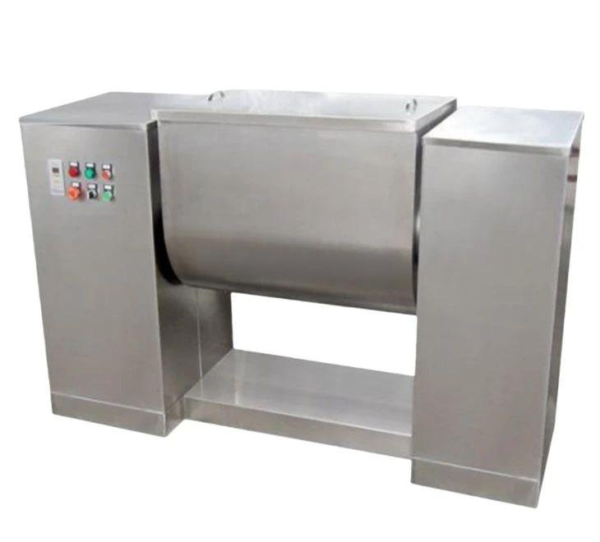
An industrial mixer is a machine that mixes large amounts of raw materials for factory use. People widely use it in food and drink factories, medicine workshops, chemical plants, cosmetic factories and construction sites. Its main job is to mix different raw materials evenly, so all finished products have the same good quality.
Advantages of Industrial Mixers
- Cut Your Total Costs
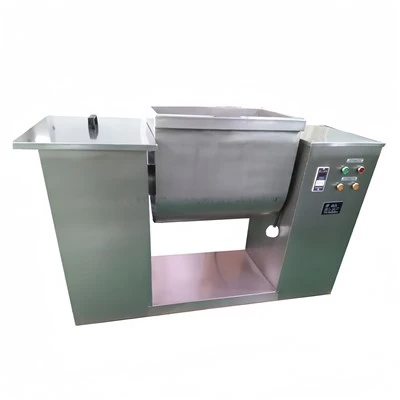
One big good point of industrial mixers is saving money. We can make mixers exactly fit your production needs, so custom machines work better than standard ones. Using this machine helps you spend less on electricity, raw materials and workers’ salaries. Custom industrial mixers are also stronger and last much longer than ordinary mixers. You will pay far less for machine repairs or new replacements.
- Boost Your Work Efficiency
Custom industrial mixers work faster. They match your production conditions perfectly, so you can make better products in less time. Factories can produce more goods within the same working hours and earn more profits. Besides, the machine processes materials quickly and wastes less time and power.
- Give You Full Control Over Production
Custom stirring paddles let you fully control the final products. We design paddles based on your exact production rules. You can change the paddle structure and working performance freely to make sure finished goods meet all your standards. You can also adjust and improve the stirring parts anytime according to your production needs.
- Fit Many Different Production Tasks
Industrial mixers can be fully customized. You can change the machine’s structure and working settings to fit different raw materials and production processes quickly. It works great for factories that often switch materials. This machine can handle many kinds of materials and match various production steps, so it suits factories making multiple products.
Brief Introduction of Supporting Machines
- Bottle Labeling Machine
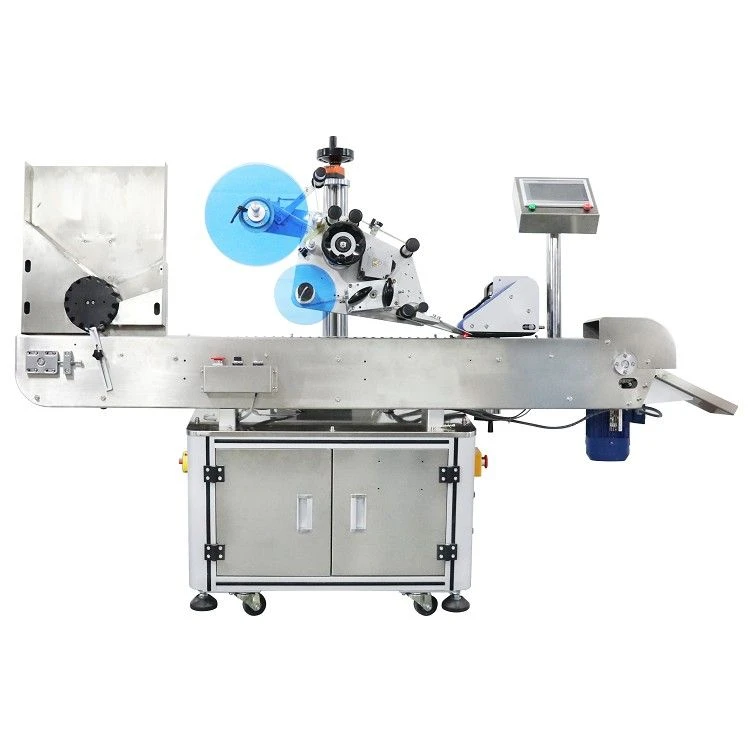
It sticks labels around round or half-round bottles that tip over easily. It uses horizontal transport and horizontal labeling structures. The machine runs more stably and labels bottles faster.
- Industrial Mixing Blender
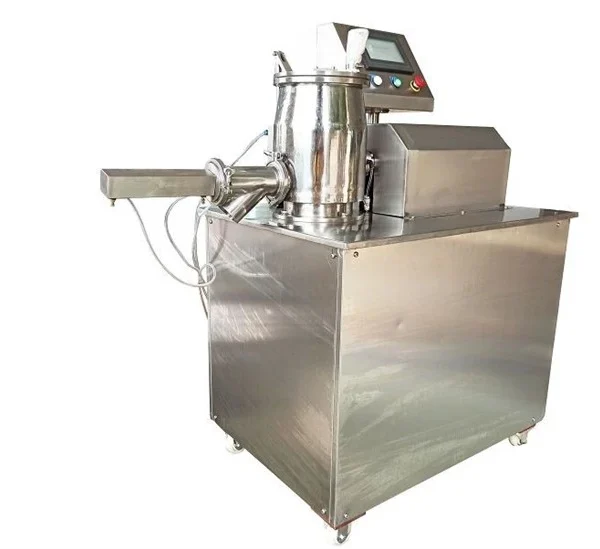
At the bottom of its cylinder tank, a stirring paddle mixes powder materials and glue evenly into wet raw materials. A high-speed cutting paddle sits on the tank’s side. It cuts and stirs materials into smooth uniform wet stock.
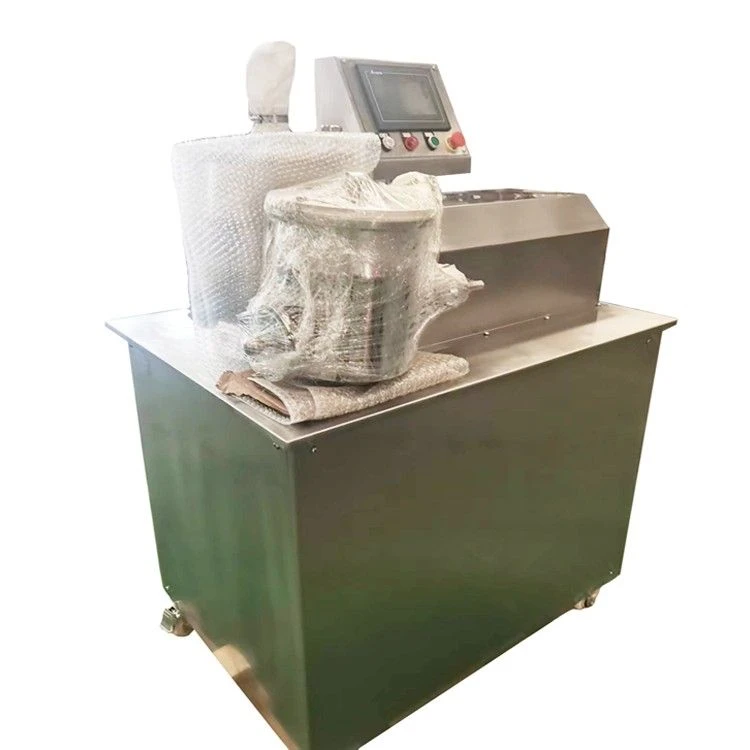
This machine follows GMP production rules. It works best for research labs, hospitals, small medicine factories and health supplement workshops.
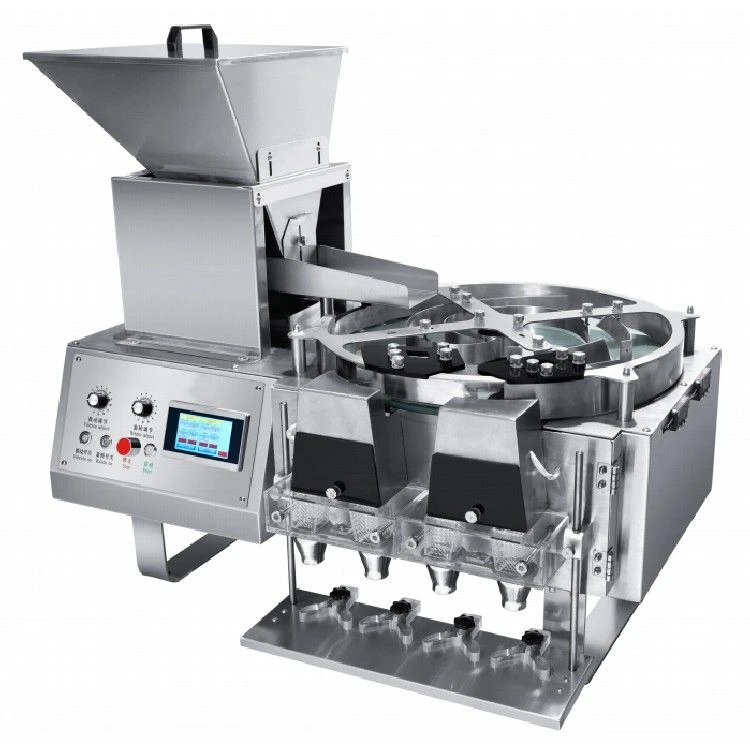
- Capsule Counting Machine
It fits many solid medicine filling tasks in medicine and food factories. It matches bottle transport equipment. The bottle stopper on the transport track moves empty bottles over from upstream machines.
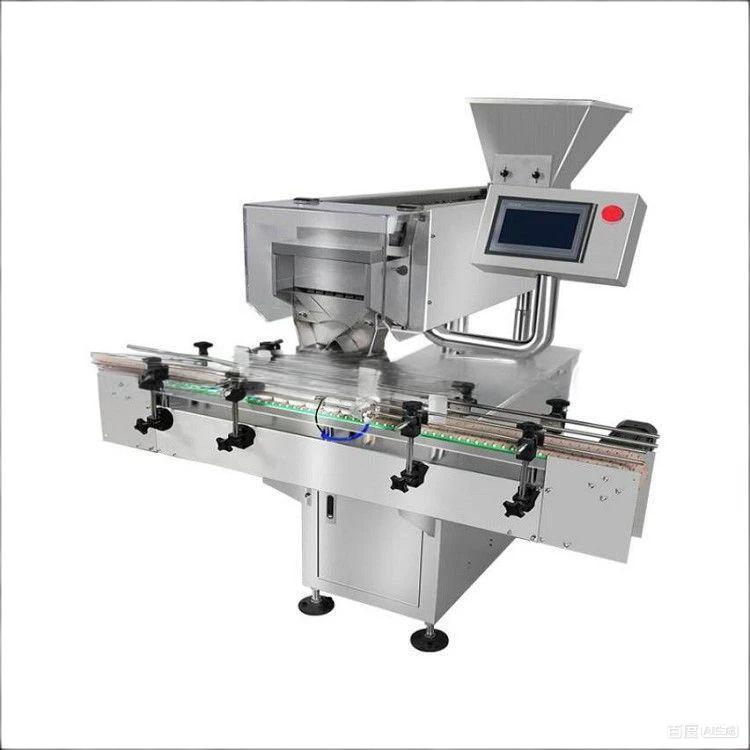
Capsule Filler
This machine uses dust-proof computer counting technology. It counts and fills tablets (including special-shaped tablets), hard capsules and all kinds of transparent soft capsules.
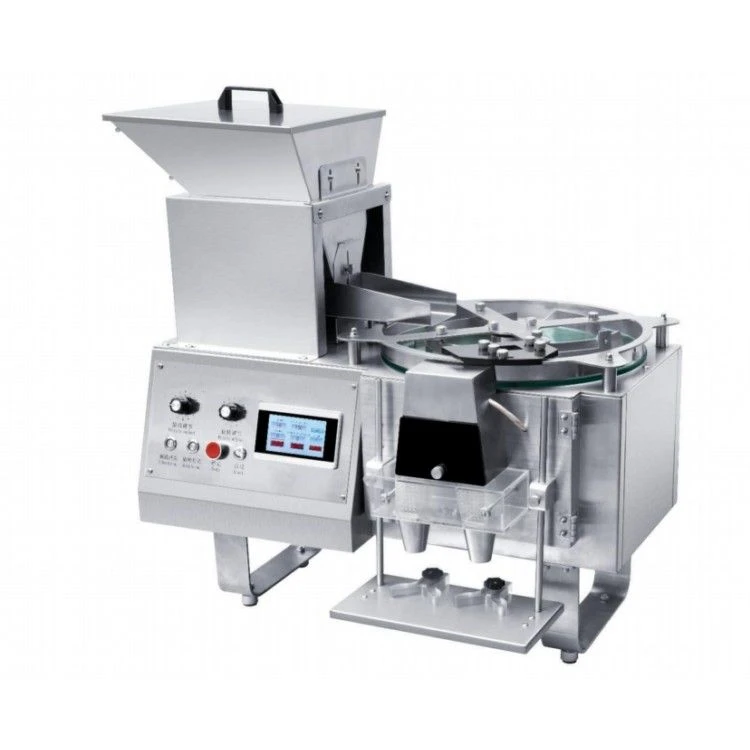
Capsule Filling Machine
It seals capsule caps and bodies and fills powder medicine inside. It fits small and medium batch production for medium and small medicine factories.
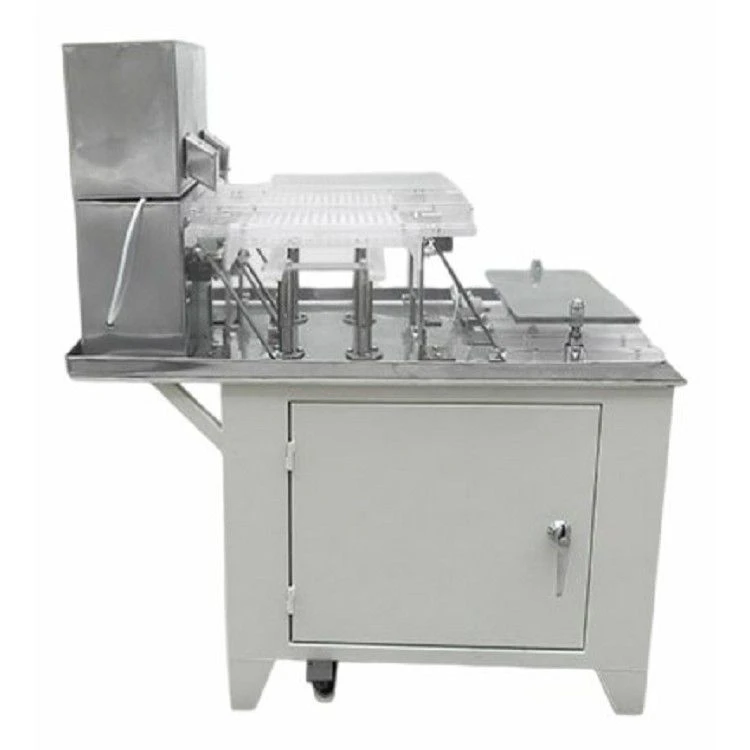
Soft Capsule Machine
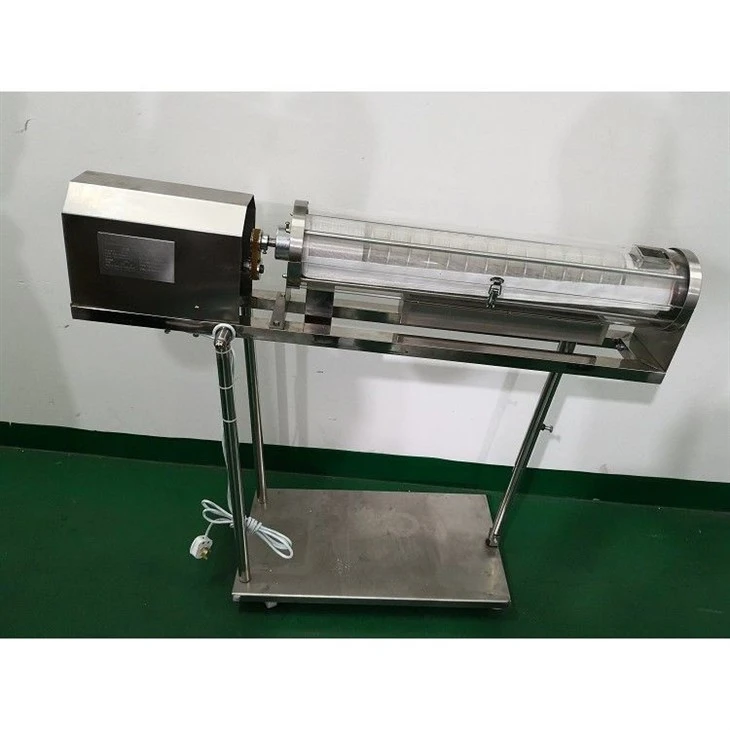
The KD-88 capsule polishing machine (medicine polishing machine) includes a base, a material outlet, a metal frame, a single-phase motor, polishing brushes and a stainless steel protective cover.
Semi-Automatic Capsule Filling Machine
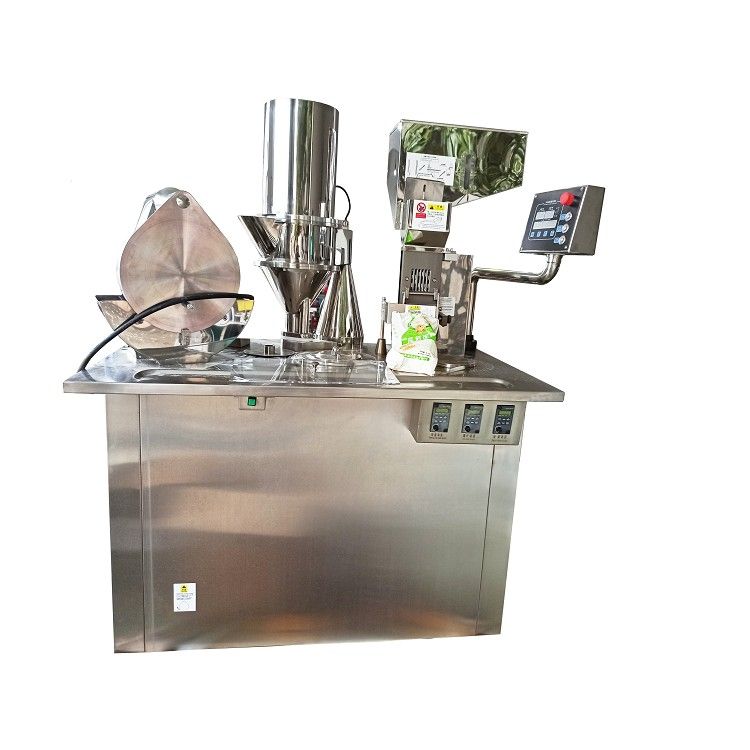
The DCX-4 semi-automatic capsule filling machine is a new medicine packaging machine. It fits all domestic and imported capsule filling work.
Why Choose Our Products
-
Reliable Quality Customers want high-quality machines that meet their production needs. We strictly control every machine’s quality, and all products reach industry standards and customer expectations.
-
Good Industry Reputation A company’s reputation matters a lot when customers buy machines. Our brand earns high praise across the industry, so you can trust us completely.
-
Thoughtful After-Sales Service Perfect after-sales service makes customers choose us. We take good care of every customer, and you will feel satisfied and valued during your whole buying and using experience.
-
Rich Industry Experience We have worked in this industry for many years. We know every machine’s performance well. We can provide high-quality machines and professional technical support for your factory.
-
Easy to Use Our machines have simple operations. They simplify your production steps and let you finish work faster with less effort.
-
Safe and Stable to Operate Our machines keep your production safe all the time. We build complete safety protection structures and follow strict safety rules to remove hidden dangers in your workshop.
Types of Industrial Mixers
- Convective Mixers
Convective mixers finish mixing quickly. A high-speed spinning impeller stirs materials fast. The fast-moving impeller creates heat to help mix raw materials. The high stirring speed breaks material particles apart and makes mixing more even. This mixer stirs materials with strong force, so it cannot do soft diffusion mixing tasks.
- Tumbler Mixers
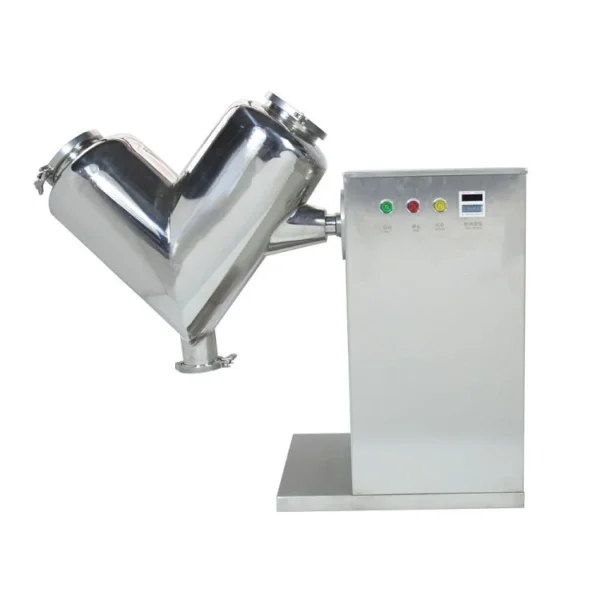
Tumbler mixers are diffusion-type mixing machines. The spinning tank mixes materials and uses air during the mixing process. The tank spins around its central axis at a controlled slow speed, and gravity mixes all materials inside. This machine has no stirring paddles, impellers or mixing blades, yet it mixes materials very efficiently.
- Fluidization Mixers
Fluidization mixers use fast-flowing gas to turn powder materials into fluid. The gas can heat or cool mixed materials. It fits light and medium-density materials such as powder and small pellets. It is the fastest mixing machine: one full mixing cycle only takes 10 seconds to 2 minutes, and most tasks finish in 30 seconds. The machine’s paddles tilt at a special angle, and their spinning paths overlap to raise mixing efficiency.
- Agitator Mixers
Agitator mixer is a general name for many stirring machines, including anchor-type, paddle-type, propeller-type, turbine-type and spiral-type mixers. One or more spinning impellers create centrifugal force to stir materials. It works perfectly for two kinds of materials that cannot mix together naturally.
- Emulsifier Mixers
An emulsifier mixer’s main job is mixing two materials that never blend naturally, such as oil and water. Materials that cannot mix evenly are called immiscible materials. They cannot form smooth mixtures on their own. During emulsification, machines push materials through small tubes and fine filters under high pressure. This process breaks the materials’ molecular structures so they can mix smoothly together.
- Homogenizers
Homogenization breaks big material molecules into tiny particles to spread materials evenly everywhere. It crushes large liquid drops into micro-sized drops to create stable, balanced mixed liquid. A homogenizer mixer finishes this emulsification and homogenization work. Homogenization relies on shearing force: the machine spins fast and squeezes materials to split large particles.
- Paddle Mixers
Paddle mixers have several paddles set at precise angles. These paddles create strong forward and outward spreading force to break lumpy materials. During mixing, paddles keep turning and stirring raw materials until the mixture reaches smooth, even thickness.
Key Points to Think About When Buying Industrial Mixers
- Material Features
The physical features of your mixing materials decide which mixer you should buy. You need to consider material thickness, density, solid or liquid state and other features. Low-thickness materials fit high-shear mixers, while machines with low stirring force work better if you need to keep solid particles suspended in liquid.
- Production Output Needs
Different daily output levels match different mixers. Batch mixers fit small and medium production runs, while continuous mixers handle large-volume mass production better. You need to pick a mixer that can handle your daily output and still keep mixed materials in good quality.
- Energy Saving Ability
Today’s factories pay more attention to machines that save electricity. Machine power use directly affects your factory’s daily running costs. Choosing an energy-saving mixer can cut your long-term production costs. For example, continuous mixers use little electricity but make large amounts of products, so they are perfect for high-output production lines.
- Machine Versatility
Most factories need one mixer to finish many different production jobs. So your mixer must be versatile and fit many kinds of materials and mixing tasks. Planetary mixers are famous for strong versatility and can finish nearly all mixing work.
- Industry Standard Rules
Different industries have different mixing standards and hygiene rules. Medicine and food factories follow very strict hygiene and safety rules, while some industries like glue making have much looser requirements. Think about your industry’s rules before buying, so you can pick the best mixer for your special production projects.
- New Machine Technology
Machine technology keeps improving every year. Newer mixers have higher efficiency, stronger versatility and better performance in all ways. Keep learning about new industrial mixer technology, and you may find a machine that fits your production needs better.
Application Fields of Industrial Mixers
- Food Industry
Workers use them to mix and stir food during processing, such as preparing flour, syrup, sauce and cake batter. Industrial mixers spread different food raw materials evenly and improve finished food’s taste and quality.
- Chemical Industry
Industrial mixers play an important role in all chemical production steps. People use them to mix medicine raw materials, dyes, color pigments, solvents and other chemical products. Full stirring makes reaction materials touch each other evenly and fully, raising chemical reaction speed and finished product quality.
- Pharmaceutical Industry
Factories use industrial mixers to mix, dissolve and emulsify medicine raw materials. They spread different medicine ingredients and auxiliary materials evenly together, making sure all medicine keeps stable, reliable quality.
- Construction Industry
Workers use them to make building materials such as concrete, mortar and gypsum. They mix all raw construction materials evenly to raise finished building materials’ strength and stability.
- Mining and Metallurgy Industry
Workers use them for ore crushing, liquid leaching and mineral flotation. They mix ore materials and chemical agents well to speed up metal mineral separation and collection.
- Wastewater Treatment Industry
Workers use them to stir, settle and filter domestic sewage, factory wastewater and mud.
- Energy Industry
Workers use them to mix fuel materials and stir crude oil, fitting oil, natural gas and chemical energy production.
How to Keep Industrial Mixers in Good Condition
-
Lubricate machine parts regularly Check lubricant oil levels once a month for most machine parts. Good regular lubrication can extend your mixer’s service life by many years. Drive parts are the most expensive parts of a mixer. Replacing just one broken drive part costs almost as much as buying a new mixer. You must pay special attention to lubricant levels around the reducer, drive unit and shaft bearings.
-
Maintain all sealing parts Seals on a mixer lock materials inside and protect the spinning shaft’s normal movement. If seals wear out or break, materials will leak out, or the spinning shaft will shift out of its correct position. Many kinds of seals exist, and each type has different maintenance rules. If you find leaking or damaged seals, fix or replace them right away. Broken seals will cause more serious machine faults if left unattended. Timely seal repairs keep your mixer working safely, stably and cost-effectively for a long time.
-
Protect the mixing tank The mixing tank is the main body of your mixer, and many fast-spinning parts move inside it. You must protect, fully clean and maintain this tank regularly. If the stirring paddle sits too close to the tank walls, it will scratch and damage the tank. Also stop metal pieces, small stones and other foreign objects from falling into the machine, as they will break internal parts. Clean and protect the tank thoroughly on a regular schedule.
- Keep all internal parts dry Cleaning machines fully stops cross-contamination and meets food and medicine factory health standards. However, water will rust and damage the mixer’s internal metal parts. After cleaning the machine with hot soapy water, you must dry every internal part completely. High-pressure water cleaning is usually not a good choice for industrial mixers. If water seeps into internal machine parts, it creates rust and makes the machine break down and stop working.
- Clean air vents often Air vents are extremely important when mixing dry powder materials. They let trapped air escape while powders fill the tank. But dust often blocks these vents easily. Add vent cleaning to your regular cleaning schedule so air can escape freely and you can add raw materials into the mixer smoothly. If vents block completely, dry powder mixing creates huge dust clouds, which carry a serious risk of dust explosions.
Five Core Factors for Choosing the Right Industrial Mixer
-
Chemical material and material physical features Different chemical materials react in different ways. You must judge your materials’ thickness, abrasion and corrosion resistance before buying. This knowledge guides you to pick mixers built to handle your special materials safely without lowering machine performance or production safety.
-
Target finished product standards and production process rules Finished product quality mostly depends on how precise your mixing process is. Set clear standards for how evenly mixed your final products need to be. Also think about temperature, pressure and chemical reactions during your production steps. This information helps you find mixers that can reach your target finished product quality.
-
Production volume and factory scale Your factory’s daily production scale (batch or continuous production) greatly affects your mixer choice. Large-volume continuous production lines need heavy-duty industrial mixers, while small batch production only needs standard mixers.
-
Mixer type and structural design Use high-shear mixers for strong emulsification tasks, and paddle mixers for gentle powder blending. Each mixer type has its own unique advantages for different production tasks, so your mixer design must match your special process needs.
-
Material compatibility and easy cleaning design Make sure the mixer’s metal body materials do not react with your processing materials. This stops material corrosion on machines and prevents raw material pollution. Also pick mixers with simple cleaning structures, especially if your factory switches between many different products often.
How Industrial Mixers Work
Industrial mixers create swirling currents and convection movement through spinning stirring parts to mix different materials together. We can explain its full working principle in four clear parts:
-
A motor drives the stirring impeller to spin. During mixing, the spinning impeller creates swirling liquid jets. The machine mixes materials using shearing force on the jet’s surface, and liquid outside the flow field also mixes through friction.
-
The machine’s mixing head has multiple crossing stirring blades. You can place the whole machine directly on the ground for high-speed spinning. Workers can manually move the mixing head 360 degrees to any angle or distance, creating full three-dimensional high-speed mixing.
-
The machine mainly has two parts: the mixing head and the mixing tank. A mixing head includes one or more stirring blades (fixed or adjustable angle). The mixing tank holds all raw materials; it usually has a cylinder shape and a material outlet at the bottom to discharge finished mixtures.
-
Five basic data values describe an industrial mixer’s performance: shaft power, blade output flow, pressure head, blade diameter and stirring speed. With fixed power and blade design, you can adjust the blade’s output flow and pressure head by changing the matching of blade diameter and spinning speed.
Shearing force is the real power that splits air bubbles and liquid drops during mixing work. From the stirring working principle, fluid layers mix together because different fluid parts move at different speeds. Industrial mixing production needs enough shearing speed to make tiny material particles collide and mix fully.
Safety Rules When Using Industrial Mixers
- Electric Safety
Industrial mixing homogenizers use high voltage electricity, so electric safety is your top priority. All machines must connect to reliable ground wires, and all electric wires and joints must be tight and stable. Keep the area around each machine clean with no piled waste, as messy waste can cause electric fires.
- Mechanical Safety
Industrial mixing homogenizers have many fast-spinning moving parts. Keep your hands and all body parts far away from running machine parts while the machine works. All workers must wear full safety gear, including protective gloves and safety glasses.
- Chemical Safety
These mixers can stir many kinds of chemical raw materials. Learn all hidden dangers of each chemical material before use. Read every material’s safety data sheet carefully and take matching protective steps to stop chemicals from touching and hurting your body.
- Production Process Safety
Follow all operation and maintenance instructions written by the machine maker strictly. Your factory must make its own standard safe operation rules and follow them fully every day.
- Operator Training and Supervision
All workers who operate industrial mixers must finish full professional safety training, and supervisors must watch them while they work. Training covers all unique hidden safety risks of the machine, plus general factory production safety rules.
In short, Industrial Mixers come in a wide range of types, support customization, deliver high efficiency, fit multi-industry production, and feature complete operation and maintenance standards, bringing great convenience and economic benefits to modern industrial manufacturing.
Reviews
There are no reviews yet.