

-
Blake.Chu sales consultant
-
Email: 113217160@qq.com
-
Phone/WhatsApp: +86 17774546154
Biopharmaceutical: Complete Guide
1.Core Definition and Basic Overview of Biopharmaceuticals
1.1 Meaning and Core Concept of Biopharmaceuticals
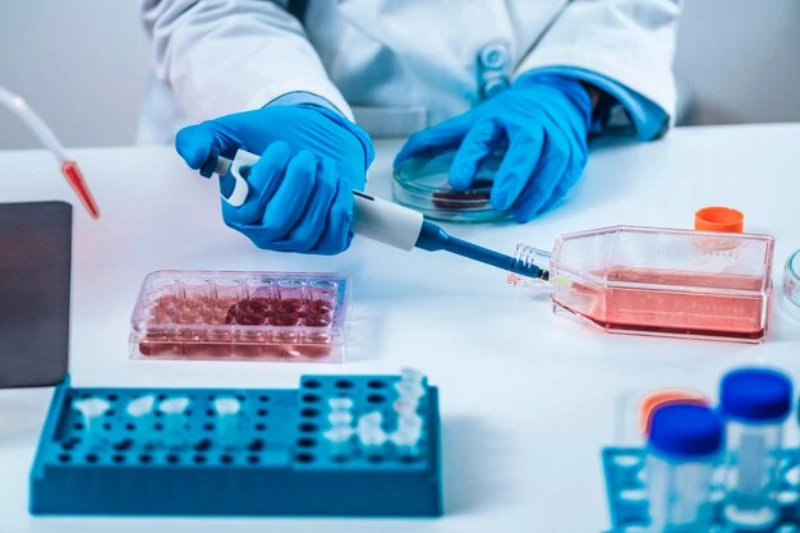
Biopharmaceuticals (Biologics) are large-molecule therapeutic products made from living biological systems. They are different from traditional small-molecule drugs made by chemical synthesis. In the narrow industry definition, workers make these biologics artificially with recombinant DNA technology, genetic engineering and cell engineering. Their main types include protein products, nucleic acid medicines, cell therapies and tissue preparations. Makers use engineered cell lines, microbial strains, plant or animal biological systems as raw materials. These products help prevent and treat human diseases, and act as key tools for targeted therapy and new advanced treatments.
1.2 Basic Principles and Key Features of Biopharmaceuticals
Biopharmaceuticals work through biological synthesis and expression. They control cell transcription, translation, protein folding and microbial metabolic pathways to produce large active drug molecules. Compared with chemical drugs, they have complex 3D structures, high structural heterogeneity and strong target specificity. They create effects through receptor blocking, immune regulation and signal pathway control. They fit human bodies well and cause fewer off-target risks. Biologics heavily depend on production processes. Their effect, purity and stability come from cell culture, fermentation and chromatography purification. People cannot fully replicate them by chemical methods. Makers need comparability evaluation for biosimilars to guarantee consistent quality. Most biologics are sensitive to temperature. They need strict cold-chain control and GMP compliance systems.
1.3 Core Meaning and Application Scope of Biopharmaceutical Engineering
Biopharmaceutical engineering is a cross-discipline combining bioengineering, pharmaceutical engineering and regulatory quality control. Its main goal is to turn target drug research into GMP-compliant mass production. Its technical system covers upstream vector construction and cell line adaptation, midstream bioreactor scale-up and high-density cell culture, and downstream chromatography purification, formulation and stability tests. People widely use it for monoclonal antibodies, recombinant proteins, vaccines, nucleic acid drugs and cell therapies. It supports industrial production, process validation and compliant manufacturing for biomedicine.

2.Key Differences Between Biopharmaceuticals and Traditional Chemical Pharmaceuticals
2.1 Comparison of R&D Principles and Drug Properties
Traditional chemical pharmaceuticals use organic chemistry synthesis. Workers make small-molecule compounds through chemical reactions. These molecules have uniform structures and stable physical and chemical properties, and people can fully replicate them. Biopharmaceuticals use genetic engineering, cell expression and biological synthesis. Workers use living engineered cells or microbes to make large-molecule biologics, such as antibodies, recombinant proteins, nucleic acid drugs and live cell therapy products. Chemical drugs are synthetic products with modified man-made structures. Biologics are active products made by living systems. They have different working mechanisms and drug properties.
2.2 Differences in Production Processes and Structural Features
Chemical drug production uses chemical reactions, crystallization and distillation. Its processes are easy to control and keep steady between batches, so it fits large-scale standard production. Biopharmaceuticals use cell culture, biological fermentation and chromatography purification. The products strongly rely on production processes. Culture environments and process parameters greatly affect product quality. Biologics have high molecular weight and complex 3D structures with structural heterogeneity. People cannot fully replicate them artificially. We do not have traditional chemical generic drugs for biologics. Manufacturers can only launch biosimilars after comparability evaluation.
2.3 Differences in Effect, Safety and Application Scenarios
Small-molecule chemical drugs move easily inside the body, work fast and can be taken orally. They treat common diseases, acute illnesses and basic chronic diseases, but they may hit non-target cells and bring side effects. Biologics have high target specificity and good biocompatibility. They precisely act on tumor antigens, immune pathways and disease-causing targets. They cause fewer off-target effects and are safer. Doctors mainly use them for tumors, autoimmune diseases and rare hard-to-treat diseases. Most biologics need injection and take a longer time to work.
2.4 Differences in Cost, Pricing and Market Positioning
Chemical pharmaceutical processes are mature and cheap for mass production. Most are low-cost generic drugs for basic community medical care. Biopharmaceuticals need long R&D cycles, hard target testing, expensive factories and strict cold-chain quality control. Early investment is huge. Their prices are much higher. They are high-value products with high technical barriers, focusing on advanced clinical treatment and unmet medical needs for precision medicine.
2.5 Q&A: Are biologic drugs always better than chemical drugs?
Biologics are not always better than chemical drugs. They only differ in clinical uses and target illnesses. For common basic diseases, chemical drugs are easy to use, effective and cost-saving. For severe, immune or genetic diseases, biologics have unique advantages in targeted treatment and immune control. The two types work together to build the full modern clinical drug system.
3.Main Types of Biopharmaceuticals and Typical Product Examples
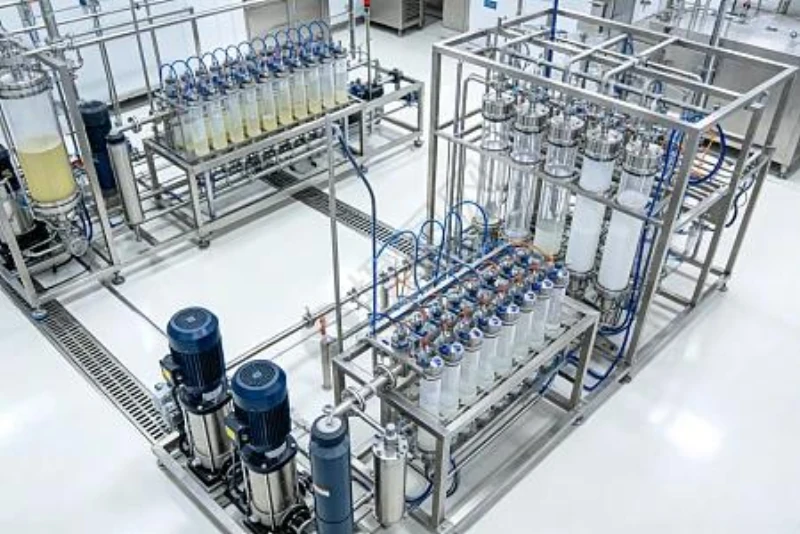
Biopharmaceuticals fall into seven main groups based on structure, production technology and treatment functions. They cover old mature biologics and new advanced therapies for disease prevention, replacement treatment, targeted therapy, gene and cell therapy.
3.1 Antibody-based biologic drugs
They center on monoclonal antibodies. Workers make them with gene recombination and hybridoma technology. They strongly bind specific targets and create effects through receptor blocking, antigen neutralization, ADCC and CDC effects. They are the most widely used commercial biologics for tumors and autoimmune diseases. Typical products include trastuzumab for HER2-positive cancers, adalimumab and infliximab for autoimmune inflammation.
3.2 Recombinant hormone drugs
Workers use microbial fermentation and mammalian cell expression systems to make active proteins similar to human natural hormones for hormone replacement therapy. The key example is recombinant human insulin. It avoids immune rejection from animal insulin. Other examples include EPO, recombinant growth hormone and gonadotropin for renal anemia, growth disorders and endocrine diseases.
3.3 Therapeutic enzyme biologics
They are recombinant functional protein drugs. They speed up metabolic reactions and remove harmful substances to treat rare metabolic diseases and blood clots. Common products include tPA and thrombolytic enzymes for acute blood clots. Enzyme replacement drugs are the main treatment for lysosomal storage diseases and other rare illnesses.
3.4 Preventive and therapeutic vaccines
Vaccines use antigens to trigger adaptive immune responses in human bodies. Preventive vaccines use inactivated pathogens, recombinant proteins or viral vectors to stop infectious diseases, such as hepatitis B vaccine and HPV vaccine. Therapeutic vaccines are new immune treatments. They activate the patient’s own immune cells to kill tumor cells and help cancer treatment.
3.5 Nucleic acid therapeutic drugs
These are new gene therapies including mRNA, siRNA and ASO. They control gene expression or silence harmful genes for precise treatment. They break the limits of old protein drugs and have great research potential for rare diseases, heart diseases and cancers.
3.6 Engineered cell therapy drugs
They belong to ATMPs (Advanced Therapy Medicinal Products). Workers edit genes and grow living immune or stem cells outside the body. CAR-T therapy is a famous example. It treats blood cancers and hard illnesses. It has high technical barriers and sits at the cutting edge of biomedicine.
Other common clinical biologics include fusion proteins, interferons and interleukins. They form a complete high-end biopharmaceutical product system covering prevention, replacement, targeting, immunity, gene and cell therapy.
4.Biopharmaceutical Production Technology and Core Manufacturing Workflow
4.1 Core Production Principle of Biopharmaceuticals
Biopharmaceuticals rely on living biological expression and metabolic synthesis, different from chemical synthesis for chemical drugs. Workers use genetic engineering to build engineered cell lines or microbial expression systems. They put target genes into host cells. They use cell transcription, translation and protein folding in controlled systems to make antibodies, recombinant proteins, nucleic acids and other active large drug molecules. It uses living organisms as “biological factories” to produce drugs through cell growth and expression. Product quality greatly depends on cell activity, genetic stability and culture environment.
4.2 Breakdown of Standard Manufacturing Workflow
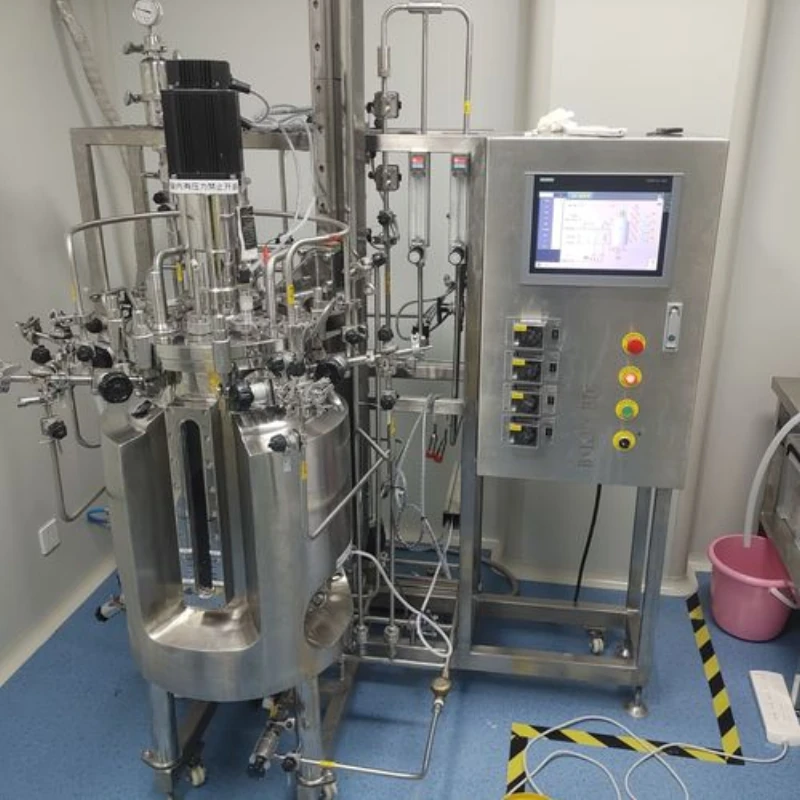
Biopharmaceutical mass production strictly follows the GMP quality management system. It has three stages: upstream construction, midstream amplification and downstream purification. The upstream stage includes gene cloning, vector building, cell transfection, cell line screening and master/working cell bank storage to keep strains genetically stable. The midstream stage uses shake flask training, seed expansion and large bioreactors for high-density fermentation. Workers carefully control pH, dissolved oxygen, temperature and stirring speed to make target products. The downstream stage includes cell lysis, supernatant collection, multi-step chromatography purification, ultrafiltration, virus inactivation, sterile filling and final quality release.
4.3 Core Production Technologies and Process Features
Core technologies include recombinant expression, high-density cell culture, bioreactor scale-up, chromatography purification and virus removal and inactivation. Biopharmaceuticals strongly depend on production processes. People cannot judge purity, potency and glycosylation only by structure tests. The whole process needs validation. Small changes in cell conditions cause batch heterogeneity. The whole production needs closed, sterile, low-temperature control and complete data records. Active products degrade easily, so they need strict cold chains and stability tests. This creates much higher technical barriers than chemical drug production.
5.Technology Updates and Industry Development of Biopharmaceuticals
5.1 Latest Progress in Biopharmaceutical Manufacturing Technology
Biopharmaceutical technology develops toward intelligence, continuous production and modular design. The industry slowly replaces old batch production. Factories widely use single-use bioreactors (SUB), continuous biomanufacturing and Process Analytical Technology (PAT). These tools improve process stability and production efficiency. Researchers also optimize high-expression CHO cell lines, serum-free suspension culture, AI high-throughput screening and automatic chromatography systems. Mature mRNA transcription, AAV vector packaging and gene editing help new biologic drugs enter mass production.
5.2 Layout of Leading Biopharmaceutical Research Companies
Top global drug companies focus on high-barrier tracks such as monoclonal antibodies, bispecific antibodies, ADCs, cell/gene therapies and nucleic acid drugs. They build cGMP-standard R&D and production platforms. Most companies use self-research plus BD collaboration to speed up target testing and global clinical applications. After gaining biosimilar experience, Chinese firms shift toward original innovation and build full upstream-downstream industrial chains.
5.3 Comparison of Growth Rates: Biopharmaceuticals vs Traditional Pharmaceuticals
Traditional chemical pharmaceutical markets grow slowly. Patent cliffs and similar product competition limit growth. Biopharmaceuticals use precision medicine and meet unmet clinical needs. Their high value and strong technical barriers create much higher compound growth rates. They form the core growth engine and main innovation track of the global biomedicine industry.
6.Industry Value and Importance of Biopharmaceuticals
6.1 Fill Treatment Gaps for Hard-to-Treat Diseases
Old small-molecule chemical drugs have limits on targets. They struggle to treat cancers, autoimmune diseases and genetic rare diseases. Biopharmaceuticals use targeted control, immune microenvironment adjustment, gene correction and cell replacement therapy. They precisely work on disease-causing pathways and break old treatment limits. They greatly raise remission and cure rates for severe and rare diseases and fill gaps in high-level clinical care.
6.2 Push Biomedical Industry Upgrade and Innovation
Biopharmaceuticals use cutting-edge synthetic biology, genetic engineering and cell engineering. They form a strategically important track with high technical barriers. Their growth pushes the pharmaceutical industry away from old chemical generic drugs toward original innovation, modular biomanufacturing and smart process upgrades. It improves the whole supply chain including supplies, equipment, quality control and CDMO services. It shows how strong a country’s biomedical innovation ability is.
6.3 Core Value in Public Health and Precision Medicine
For public health, recombinant vaccines and emergency biologic products quickly respond to disease outbreaks and build defense lines against infectious diseases. Biopharmaceuticals also fit precision and personalized medical systems. Doctors use patients’ gene and immune features to give different treatments. It reduces off-target risks and side effects, and supports modern personalized clinical care.
7.Job Opportunities in Biopharmaceuticals and Chemical Pharmaceuticals
7.1 Job Types and Career Directions in the Two Fields
Chemical pharmaceutical jobs focus on organic synthesis, drug formulation, process scale-up, crystallization, QA/QC quality analysis. They cover generic drug research, chemical production, drug testing and registration. These jobs fit students majoring in chemical technology, pharmaceutical engineering and drug analysis. Biopharmaceutical jobs focus on cell culture, protein purification, antibody engineering, gene vector building, bioreactor processes, virus inactivation and bioanalysis. They include innovative drug research, cell/gene therapy processes, biosimilar development and clinical biological sample analysis.
7.2 Differences in Talent Demand and Industry Outlook
Chemical pharma has many jobs with medium entry requirements and steady demand. Most workers focus on process optimization, quality compliance and production line operation. But similar products create fierce competition and slow pay rises. Biopharmaceuticals are a national strategic new industry. Policy support and advanced medical needs drive fast industry growth. The industry badly needs multi-skilled workers with knowledge of cell engineering, molecular biology and bioprocess scale-up. Chemical pharma offers stable, wide job choices. Biopharmaceuticals have higher technical barriers, faster growth and better pay for high-level jobs. It is the main growing job track for medicine in the future.
8.FAQ
Q1: What is the main difference between biopharmaceuticals and traditional drugs?
A: Traditional drugs are small molecules made by chemical synthesis. Biologics are large-molecule products made by cell expression. They have process dependence and structural heterogeneity.
Q2: Is insulin a chemical drug or a biologic drug?
A: Recombinant human insulin is a biologic drug. Makers produce it through genetic engineering fermentation.
Q3: Do vaccines belong to biopharmaceutical products?
A: Yes. Vaccines are classic biologics. They use antigens to create adaptive immune responses.
Q4: Why are biologic products usually more expensive than traditional drugs?
A: They need long R&D cycles, complex biomanufacturing, GMP validation and high cold-chain operation costs.
Q5: Does the biopharmaceutical industry grow much faster than traditional pharmaceuticals?
A: Yes. With innovative therapies, biopharmaceuticals have a much higher compound growth rate than chemical pharmaceuticals.
Q6: What are the core production difficulties of biopharmaceuticals?
A: The main challenges are stable cell lines, keeping product activity, batch consistency, virus removal and process validation.
Q7: What are the core advantages of biopharmaceuticals?
A: They have strong target specificity, good biocompatibility and low off-target effects. They work well for precision treatment of severe and hard diseases.
Related Posts

GMP Compliant Design
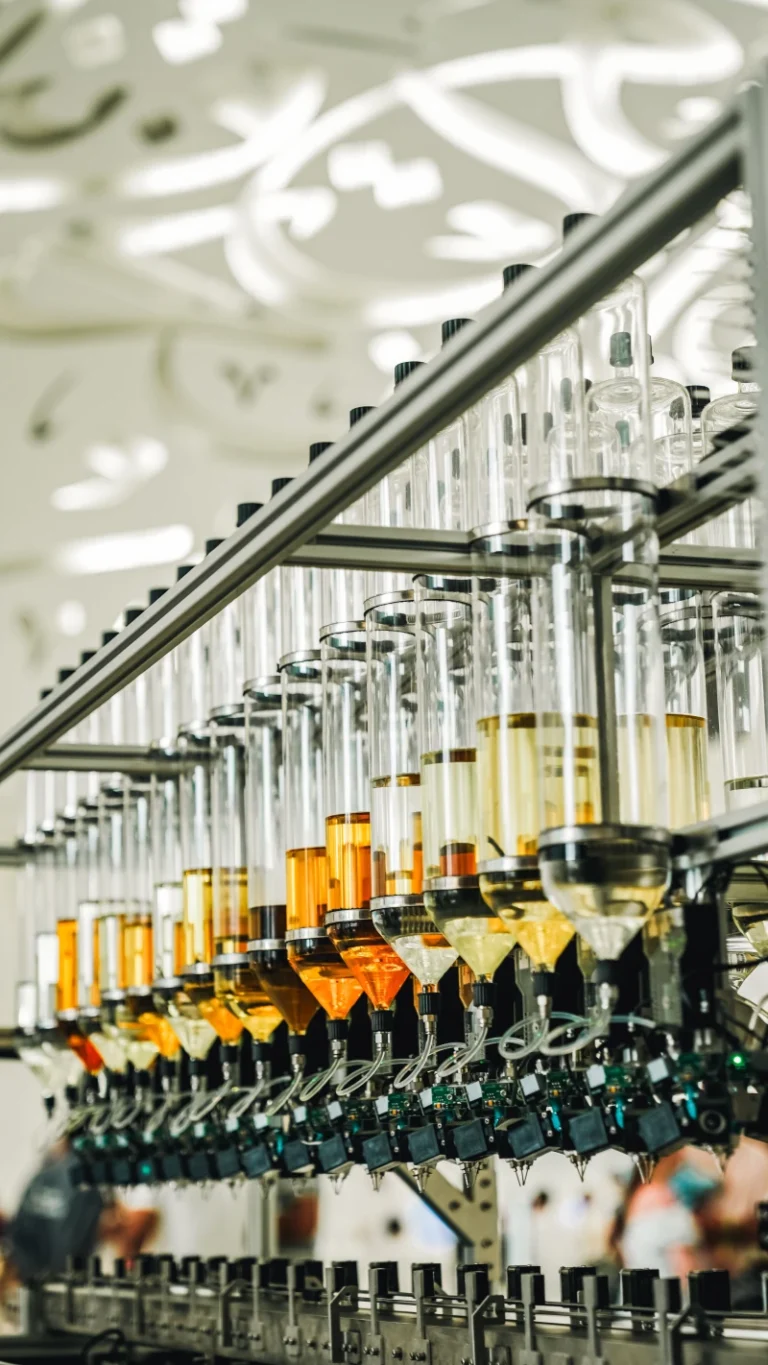
Comply with GMP standards, featuring easy-to-clean surfaces and validation-ready documentation.
On-Time Delivery
Reliable lead times for standard and custom equipment, supporting your production launch without delays.
Professional After-Sales
Global technical support and on-site installation/training to ensure long-term stable operation.