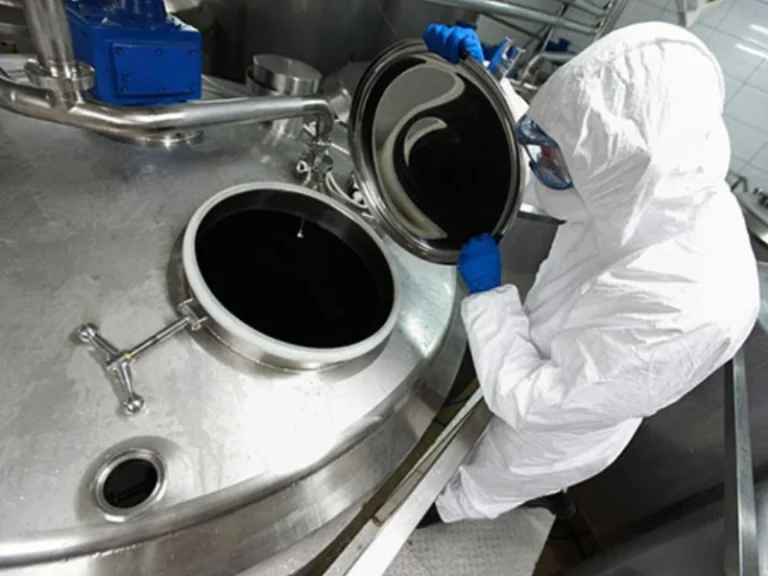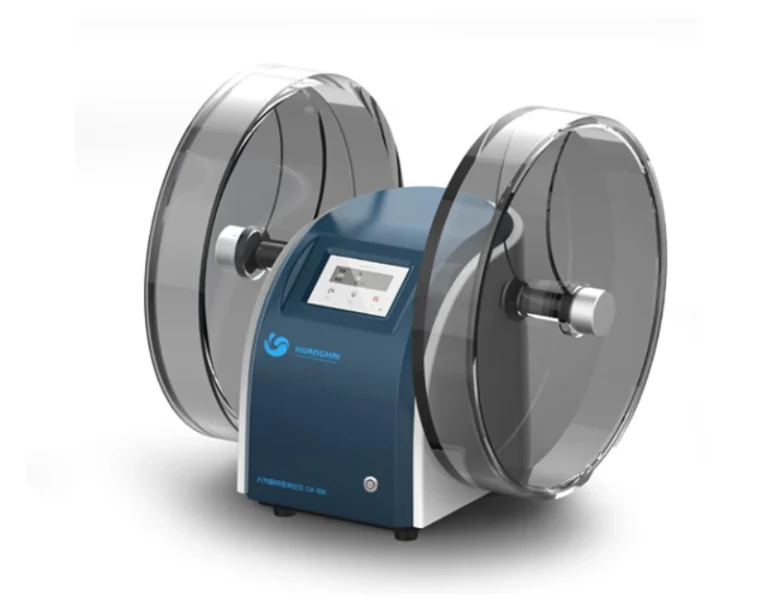
No matter how society develops, the pharmaceutical industry matters greatly to people’s health and can never be replaced. This professional Drug manufacturing equipment list includes all gear for standard drug production. Drug production covers raw material treatment, powder processing, tableting, sterilization and packaging with strict clean standards banning dust and bacteria. Factories precisely control raw material sizes and mixing ratios. All machines on the Drug manufacturing equipment list comply with safety rules to protect workers. No carelessness is allowed to secure qualified and safe medicines.
No matter how society develops, the pharmaceutical industry matters greatly to people’s health and can never be replaced. This professional Drug manufacturing equipment list includes all gear for standard drug production. Drug production covers raw material treatment, powder processing, tableting, sterilization and packaging with strict clean standards banning dust and bacteria. Factories precisely control raw material sizes and mixing ratios. All machines on the Drug manufacturing equipment list comply with safety rules to protect workers. No carelessness is allowed to secure qualified and safe medicines.
High-quality, precise, clean pharmaceutical machines are necessary for safe, stable and rule-compliant drug production. Modern drug factories no longer rely on rough manual work. They use automatic, smart and GMP-standard machines for mass production. These machines stop common human errors like material pollution, wrong drug content and unqualified processing.
This guide covers eleven main types of core pharmaceutical equipment. We will explain each machine’s working rules, advantages, sub-models, suitable uses and industry value. It talks about solid drugs, liquid medicines, lab research, finished product packing, machine operation and maintenance, covering every link of the whole drug production chain.
1. Raw Material Processing Machines (Powder Mixing & Granulator Machines)
Pre-treating raw drug materials is the first and most important step in drug making. It decides later drug quality, stable medical effects and finished shapes. We call this set of machines Powder Mixing & Granulator Machines. They work as key front-end tools for solid drug production lines. One full set automatically finishes all early tasks: grinding raw blocks into fine powder, screening evenly-sized powder, mixing materials, feeding raw materials by fixed amounts and making pure water for production. Workers do not need to repeat manual operations.
These machines process drug raw materials and auxiliary materials carefully. They unify particle sizes, balance material ratios and clean production water. They fix common problems like uneven powder thickness, unbalanced mixing ratios and too much dirt. They build a solid foundation for later tablet pressing, capsule filling and granule production. No solid drug factory can run without this group of machines.
1.1 Mixing Machines
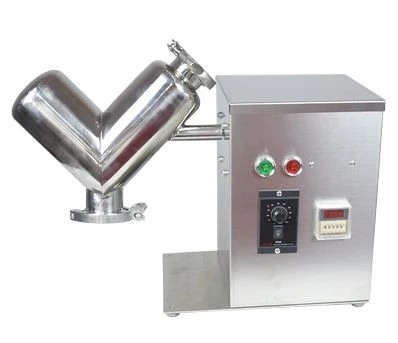
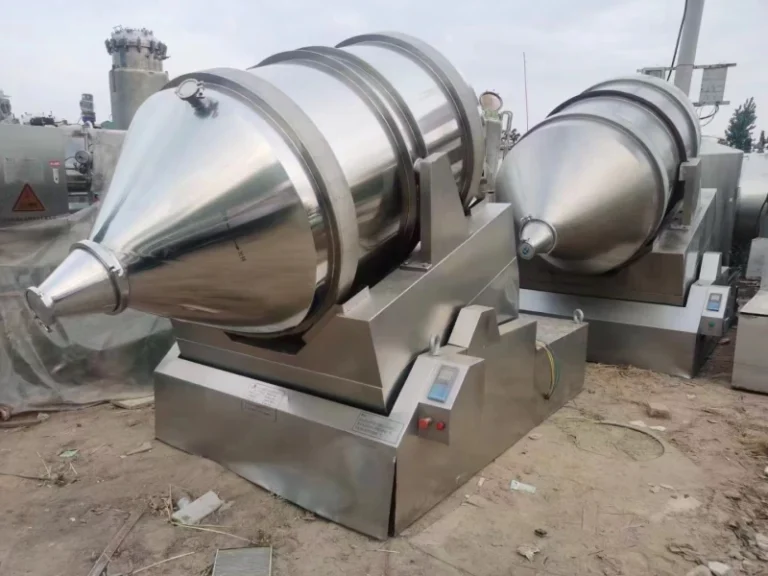
Most medicines need multiple materials to reach good medical effects, such as active drug ingredients, filling agents, adhesives and disintegrants. Mixing machines evenly combine two or more different materials to make every drug part carry the same effective content and medical strength.
High-quality pharmaceutical mixers work in fully closed spaces. No powder flies out or sticks inside the machine. They meet GMP clean standards. They run fast and mix evenly, and work with powder, paste and thin liquid materials.
High-speed mixers handle hard mixing tasks in drug factories. Their fast spinning mixing arms quickly blend materials with big density gaps that easily separate. They fix old mixer problems like uneven powder, sinking materials and over-concentrated local parts. They make stable, well-mixed materials in a short time and fit fine medicine and complex formula pre-processing.
Planetary mixers use a double movement design: the mixing arm spins itself while moving around the tank center. No dead corners stay unmixed. They work best for thick, sticky materials like ointments, creams and gel external medicines. The whole mixing process stays closed and clean. No materials drop or waste. Closed working spaces prevent secondary pollution and keep most active drug ingredients intact to secure the quality and effect of external drugs.
Ribbon mixers only work for dry powder. Two spiral metal belts spin slowly and smoothly inside. They mix materials gently. Factories design them for fragile, layered or easily broken medicinal powder. The spiral structure mixes powder fully without breaking particles, wasting raw materials or changing grain sizes. Factories widely use them for pre-processing tablet powder, capsule filling powder and granule raw materials.
1.2 Crushing & Sizing Machines
Most natural and chemical drug raw materials you buy come in big, irregular blocks with uneven particle sizes. You cannot directly mix, granulate or press them into tablets. Crushing and sizing machines break big blocks into standard-sized particles.
After fine crushing, powder has larger surface area. It mixes and forms granules better in later steps. It also dissolves faster inside human bodies and releases full medical effects to lift overall drug quality.
Drug factories use many kinds of crushers for different raw materials and processing needs:
- Blade crushers use fast sharp blades to break brittle herbal blocks and chemical raw materials quickly.
- Disc crushers squeeze and grind materials with precise discs to make super even fine powder for high-end fine medicine.
- Jet crushers break materials with high-speed air collision. They leave no metal pollution and produce ultra-fine powder. They fit high-activity, high-precision raw materials.
Factories pick crusher types flexibly based on raw material hardness, toughness and target particle sizes.
1.3 Screening Machines
Crushed materials often have uneven grains and small clumps. If you send them straight to the next step, tablets will have uneven content, inconsistent hardness and different dissolving speeds. Screening machines use pharmaceutical-grade stainless steel screens with different hole sizes. High-frequency vibration separates materials clearly: big clumps stay on screen surfaces, and qualified fine powder falls through holes into collection areas. The machine picks unqualified grains out without changing drug properties.
Drug factories follow fixed screening steps to make all powder particles the same size. Consistent grain sizes guarantee steady quality across every batch of drugs. Big rough grains may block production machines and wear parts, causing breakdowns. Screening removes thick grains in advance to keep production lines running smoothly, cut machine faults and speed up output. So raw material screening is a standard necessary step for legal drug production.
1.4 Material Storage & Feeding Systems
Drug production sets strict clean, moisture-proof and constant temperature rules for raw material storage. Factories use special storage tanks made of 304 or 316 stainless steel. This material resists corrosion, cleans easily and leaves no dirty hidden corners. Tanks safely hold liquid medicine and dry powder. They have many styles and customizable sizes for small lab storage or large factory stock. High-end tanks add smart temperature control and automatic mixing parts to stop liquid layering and powder clumping from damp air. Raw materials keep stable textures during storage.
Automatic feeding machines run with adjustable smart electric control systems. Workers do not adjust speeds by hand. The machine controls feeding weight or volume accurately. It sends fixed amounts of raw materials to mixers, granulators and tablet presses every time. It fixes these common troubles: wrong weighing ratios, wasted over-fed materials, flying powder polluting workshops and mixed dirty materials. It cuts raw material costs. Every batch keeps standard mixing ratios, so all finished drugs carry stable consistent quality.
1.5 Pure Water Production Systems
Water acts as a basic essential material for all drug-making steps. Workers use it to mix medicine, dilute raw materials, clean machines and form drugs. Ordinary tap water carries dirt, tiny living organisms, heavy metals and chlorine, which break pharmaceutical standards. Pure water production systems process tap water through multi-layer filtering, reverse osmosis, ion exchange and full sterilization. They remove all harmful substances to make ultra-clean pharmaceutical water that meets strict national drug rules. Factories can use this water directly for injection medicines.
All water-making, storage and transportation steps run inside closed tanks to avoid secondary pollution. The system fully protects liquid purity and safe drug use. Every legal drug factory must install this equipment to pass official production inspections.
2. Granulation Machines (Core Powder Forming Equipment)
Dried pure powder brings three big problems: it flows poorly and piles up; it absorbs damp air and clumps easily; it cannot form hard whole tablets. If you press tablets directly from loose powder, finished tablets break easily and carry uneven active ingredients — all count as unqualified waste products.
Granulation sits in the middle of the whole production flow. Factories process raw materials first, then make granules before tablet pressing or capsule filling. This step connects earlier and later production links tightly. All granulation machines belong to Powder Mixing & Granulator Machines, the most important sub-group in this category. Granulation turns loose powder into smooth, evenly-sized grains that do not clump easily. Granules stop powder layering, flying dust and damp clumping. They speed up tablet pressing and capsule filling, and keep steady quality across every drug batch.
Wet Granulation
Wet granulation is the most widely used method in drug factories. Workers add pure water or medical alcohol (binding materials) into mixed dry powder. Full stirring sticks loose powder into small wet grains. Next, workers dry wet grains and screen them into unified sizes. The final products are firm, evenly-sized granules with smooth flow. This method creates good forming effects, moderate grain hardness and stable tablet dissolving speeds. Factories use it for most common oral tablets and granule drinks sold on the market.
Dry Granulation
Dry granulation adds zero liquid binders. Machines squeeze dry powder with huge pressure into long strips, then break and screen strips into standard grains. No water or liquid adhesives join the whole process. This method fits powder that absorbs water fast, goes bad or loses medical effects after touching liquid. The machines operate simply and skip extra drying steps. They produce fast and protect most active drug ingredients from loss or damage.
High-Shear Granulators
High-shear granulators are fully automatic multi-function pharmaceutical machines. One single machine finishes all steps: mixing powder, forming grains and evening grain sizes. You do not need extra mixers. It blends powder, sticks materials into small masses and presses uniform grains without switching machines. It runs automatically with fast granulation speed. All grains share the same size and hardness, creating almost no waste products. It fits large-scale continuous drug production lines in factories.
3. Temperature Control Systems
All drug-making steps — raw material processing, material drying, chemical mixing and finished drug storage — need strict temperature and humidity control. Too high or too low temperatures ruin raw materials, weaken medical effects and stop chemical reactions from finishing fully. Whole batches of drugs turn into waste and waste raw material costs. Complete pharmaceutical temperature control units include drying, heating, cooling and auto-adjustment devices. They set precise temperatures for different production steps to avoid drug waste caused by unstable heat.
3.1 Drying Machines
Materials after granulation, washing or wet processing carry lots of water. If factories skip drying, materials absorb moisture from air, clump together, grow mold and bacteria, and lose medical effects. They cannot press tablets or fill capsules later and fail quality checks.
Special pharmaceutical dryers spread hot air evenly to keep equal temperatures inside. Workers adjust drying heat and time based on each material’s heat tolerance. The machine slowly removes extra water gently. Fully dried materials carry standard water content and stable textures. They can store longer and stop mold and bacteria growth from the very first production stage.
3.2 Heating Systems
Many steps need steady heat: chemical reactions, raw material melting, liquid concentration and ointment boiling. Drug chemical reactions and auxiliary material melting are extremely sensitive to temperature. Big heat gaps cause incomplete reactions, low raw material usage and too many impurities. Standard pharmaceutical heating systems carry smart temperature control parts. They heat evenly and hold fixed temperatures steadily. They guarantee full chemical reactions, lift raw material use rates and improve finished drug quality.
3.3 Cooling Devices
Besides heating needs, many heat-sensitive raw materials, biological drugs and liquid medicine cannot stand high temperatures. Extra heat from production breaks down materials, loses medical effects and ruins products. Special pharmaceutical cooling systems quickly remove extra heat from machines and material reactions. They balance production temperatures in real time and create stable low-temperature environments for heat-sensitive materials and low-heat processing steps.
Large drug factories must install industrial cooling towers for mass production. These towers carry heat away through flowing water and air to cool full production lines fast. They cool efficiently, break down rarely and save electricity. They remove large amounts of heat nonstop and keep whole production lines at steady temperatures for big-batch drug manufacturing.
4. Sterilization Equipment
The most basic rule of drug production is full cleanliness and zero bacteria. Raw materials, semi-finished drugs, finished tablets, production containers and packaging materials all need strict disinfection. Pharmaceutical machines cannot leave bacteria or viruses growing on surfaces. Only sterilized products keep users safe.
Factories use many sterilization machine types: high-temperature steam sterilizers, filter bacteria removers and low-temperature freeze dryers. Different drugs match different sterilization methods. These machines often produce high-standard products like oral liquid, biological medicine, vaccines and injection shots.
4.1 Steam Sterilization Machines
Autoclaves are the most common and widely used sterilization tools in drug factories. High-temperature high-pressure steam wraps every corner of materials and tools. It kills bacteria, viruses and hard-to-remove microorganisms fast with stable, safe results and no harmful leftover chemicals. It fits all heat-resistant pharmaceutical tools, packaging materials, solid herbal materials and machine parts. Every drug factory must own this core sterilization machine. This method needs high heat and pressure, so plastic items and heat-labile raw materials need other sterilization ways.
4.2 Filtration Sterilization Equipment
Sterile filtering machines work without heating and remove bacteria at room temperature. They treat liquid medicine, biological liquid and chemical solutions that break down under high heat. They carry high-precision medical filter films. Using simple physical blocking, they trap bacteria, viruses, dirt and microorganisms in liquid. Clean sterile liquid flows through films. The whole process stays at room temperature, so it never damages active drug ingredients and keeps original liquid properties and effects. Factories widely use these filters for injection liquid, eye drops and sterile biological liquid drugs.
4.3 Freeze Drying Machines
Freeze dryers are special equipment for high-end biological drug production. They use low-temperature vacuum drying technology. First, they freeze water-containing materials fast to turn inside water into ice crystals. Next, vacuum environments make ice crystals turn straight into gas and disappear. All steps run under low temperatures, so heat never damages or deforms materials.
Drugs after freeze drying hold stable inner structures, complete active ingredients and very low water content. They store safely at room temperature for a long time without losing medical effects. This drying method makes vaccines, antibody drugs, probiotic products and high-value biological medicine. No biological drug production line can run without this core machine.
5. Tablet & Capsule Production Machines
Tablets and capsules are the most popular drug forms with mature standard production steps and huge market demand. The core machine group here is Tablet Press & Capsule Filling Machines. One full set makes all solid oral drugs and completes every step: pressing tablets, coating tablet surfaces, filling capsules, counting pills and printing drug marks. Most machines run automatically without manual work. Every tablet and capsule shares the same weight and size. They produce fast and make large outputs, so factories rely on them for mass solid drug manufacturing.
5.1 Tablet Production Lines
Tablet presses are the key machines for making tablets. Strong precise pressure turns evenly mixed granules into standard-sized, proper-hardness neat tablets. Full-automatic high-speed tablet presses produce tens of thousands of qualified tablets per hour. Finished tablets carry equal thickness, tiny weight gaps and no breakage, fully meeting national drug production rules.
New rotary tablet presses hold multiple pressing molds working at the same time. They run nonstop 24 hours without frequent shutdowns. Compared with old single-mold machines, they produce much faster and control pressing force more accurately. All tablets carry steady weight and hardness, perfect for factory mass tablet production.
After pressing tablets, factories use coating machines to treat tablet surfaces. Tablets roll inside the machine while it sprays special coating liquid evenly over every piece. After air drying, a thin safe protective film forms on tablet surfaces. This film covers bitter bad tastes for easier swallowing. It blocks damp air and sunlight to stop tablet damage and weakening medical effects. It also controls tablet dissolving speed inside human stomachs to release medicine slowly, avoid sudden stomach irritation and create longer, gentler steady effects.
5.2 Capsule Filling Machines
Capsules carry fixed equal drug content, taste easy to swallow and seal tightly against damage. Factories often pack medicine into capsules. Full-automatic capsule filling machines finish all steps automatically: sorting empty capsule shells, splitting shells into two halves, filling fixed amounts of powder, closing shells and pushing finished capsules out. Workers do not touch products manually. High-quality machines run smoothly with super precise powder filling weights. They make hundreds to thousands of capsules every minute, and all filling errors stay within national standard limits. Manual capsule filling causes uneven drug amounts, slow speed and easy product pollution — this machine fixes all these problems completely.
This filling machine works with many materials and capsule sizes: powder, tiny granules and small liquid all fill accurately. It fits all common empty capsule sizes from size 00# to 5#. It automatically picks out unqualified defective capsules and only keeps fully finished good products. It suits small lab sample testing and large factory mass production equally well.
5.3 Tablet & Capsule Counting Machines
Tablet & Capsule Counting Machines are necessary supporting equipment for tablet and capsule packaging lines. Built-in precise photoelectric sensors count tablets, capsules and granules quickly and accurately without missing any single pill. Full automatic operation beats manual counting in accuracy. It avoids human mistakes like extra pills, missing pills or miscounted goods. Factories use it widely for bottle packing, can filling and gift box separation. Legal qualified drug packaging requires this machine.
5.4 Marking & Printing Machines
To tell different drug types, production batches and sizes apart, and help customers check drug authenticity and production records, special tablet and capsule printers print clear numbers, letters, brand logos and batch codes on drug surfaces. The machines use pharmaceutical-grade wear-resistant eco-friendly ink. Printed marks stick firmly and do not wipe off easily. This ink never pollutes drugs or changes medical effects. Doctors and buyers see drug types, sizes and batches clearly at one glance. Printed codes also help track drug sources and judge fake products.
6. Filling & Packaging Machines
Filling and packaging form the last key step before drugs leave factories. They directly control drug storage time, anti-breakage safety during transport and product cleanliness. This part introduces two main machine types: Liquid Filling Machines and Blister Packaging Machines. Supporting equipment includes sealing, cap twisting, box filling and airtight machines. One full set finishes all steps: fixed liquid filling, sealed storage, single plastic wrapping and box packing. It fits all packaging styles like ampoule bottles, vials, oral liquid bottles, common drug bottles and single aluminum plastic tablet sheets. It packages liquid and solid drugs independently.
6.1 Ampoule Filling & Sealing Machines
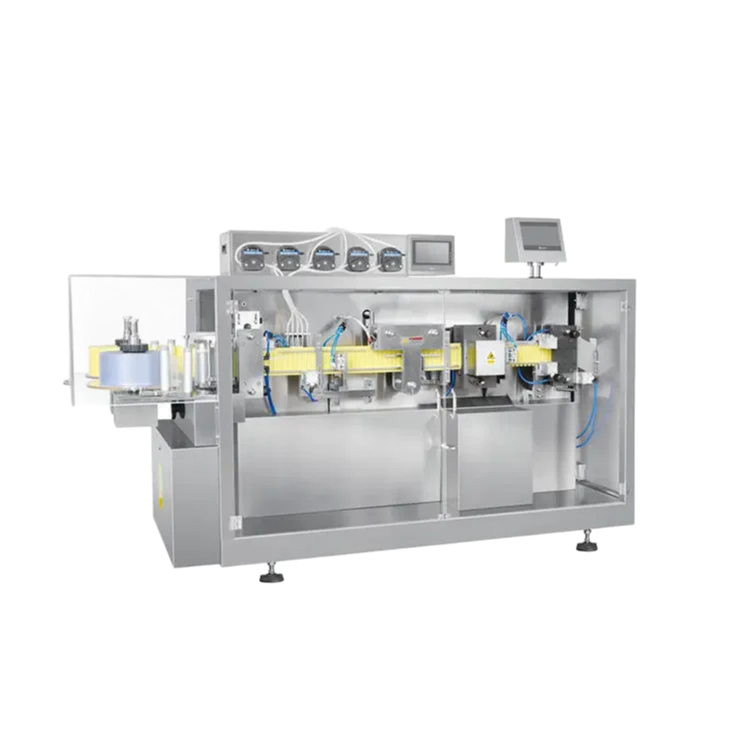
Ampoule Filling & Sealing Machines work specially for small glass injection bottles. They run fully automatic continuous steps: bottle washing, high-temperature drying sterilization, fixed liquid filling, nitrogen filling (to protect liquid) and high-temperature bottle mouth melting sealing. They fill liquid with tiny weight errors and seal bottle mouths tightly without liquid leakage. Filling nitrogen blocks air to stop liquid oxidation and damage. The whole closed sterile production process meets injection drug standards. Factories use it for high-standard sterile liquid products like injection shots, infusion liquid and nutrition medicine.
6.2 Blister Packaging Machines
Full-automatic blister packaging machines commonly pack tablets, capsules and small injection vials. They heat medical PVC or PVDC plastic film and press independent small grooves. Workers place drugs inside grooves, then cover with medical aluminum foil and press tight under heat. Every single drug sits inside a separate sealed small grid.
This separate grid sealing blocks air, damp, dust and bacteria fully. It protects drugs from damage and extends storage time. Separated packing makes pill numbers clear and taking doses easy. It stops users from taking too much, too little or wrong medicine. It fits standard packing for all oral tablets and capsules.
6.3 Bottle Filling Production Lines
Integrated automatic drug bottle production lines combine bottle feeding, bottle washing, drying, pill counting, product filling, moisture-proof cotton placing, cap twisting and label sticking in one unit. They finish all solid bottle packing and liquid filling steps automatically. Built-in precise liquid filling parts and smart counting systems remove common manual problems like wrong counts, uneven filling amounts and low hygiene standards. Factories use them for mass production of oral liquid, syrup, tablets and capsules in bottles.
Supporting automatic cap twisting machines screw and press bottle caps tightly to create zero-gap seals. They block damp air and oxygen from entering bottles, stop drug moisture absorption and oxidation failure, and extend drug shelf life.
6.4 Cartoning Machines
Full-automatic drug cartoning machines automatically fold paper boxes, put drugs inside, insert instruction leaflets and seal boxes without manual work. They pack fast with neat tidy boxes, perfect for factory mass drug packing.
Built-in smart inspection and counting parts check pill numbers and instruction leaflets all the time. If machines find unqualified products with missing pills or no leaflets, they send warning signals and separate defective goods automatically. All packed drugs leaving the line pass quality checks.
6.5 Sealing Equipment
Electromagnetic induction sealing machines seal drug bottles against illegal opening. Electromagnetic heat melts aluminum foil gaskets on bottle mouths instantly. The foil sticks tight to form a full bacteria-proof sealed film. Sealed bottles block dampness, stop liquid leakage and prevent bacteria growth. The aluminum foil layer also fights counterfeiting. Buyers tell opened fake bottles at a glance to guarantee safe drug transport and sales.
7. Cleaning Equipment
All drug-making steps need dust-free, bacteria-free clean workshops — this is the top rule for safe drug use. Production machines, raw material barrels and transport pipes touch medicine every day. Powder sticks to machine gaps and grows dirt and bacteria over time. Unclean equipment mixes different drug residues and breeds bacteria, making unqualified drugs. Pharmaceutical cleaning machines split into two main types. They run full automatic cleaning to keep sterile environments, wash away all drug leftovers and lift whole production line hygiene to official standards.
7.1 CIP Online Cleaning Systems
CIP (Clean-in-Place) systems are special cleaning machines for drug production lines. Their biggest advantage: workers do not take apart machines or pipes to wash them. The system cleans and sterilizes all full equipment and pipes completely. It mixes clean water, detergent and disinfectant automatically. High-pressure water sprays every tank, pipe and machine inner wall from all directions. It completes all steps in order: pre-rinse, dirt removal, repeated flushing, high-temperature sterilization and sterile water final wash. It reaches every hidden corner without leftover powder. It cleans fast and sterilizes thoroughly to stop re-contamination and keep production lines clean all the time.
7.2 Container Washing Machines
Factories use big barrels and troughs to move raw materials. Repeated use leaves hard-to-wash drug residues and bacteria inside. Manual cleaning cannot remove all dirt fully. Special barrel washing machines spray high-temperature high-pressure water to wash every surface and hidden gap inside containers, removing all leftover materials and bacteria. Full automatic cleaning keeps uniform clean levels that meet pharmaceutical hygiene rules. Clean containers can reuse repeatedly without cross-contamination from different drug residues, securing safe drug production.
8. Analytical Testing Instruments
Drug factories follow fixed hard rules: start production only after raw material tests pass; sell finished drugs only after full inspection. Professional analytical testing machines check every link: incoming raw materials, middle semi-finished goods and final finished products. Workers test key data like raw material purity, active ingredient content, liquid pH value and material weight. Factories refuse low-quality raw materials, stop processing unqualified semi-finished goods and ban selling defective finished drugs. Testing instruments act as core tools to control drug quality.
8.1 Chemical Analysis Equipment
High Performance Liquid Chromatography (HPLC) is the most important testing machine in drug factories. It separates all chemical substances inside medicine, measures active ingredient amounts and impurity levels, judges raw material quality and finished product standards, and decides overall drug quality.
Gas Chromatography tests easy-to-evaporate substances in herbal materials and liquid medicine. It identifies raw material types, checks purity and finds leftover chemical solvents. Factories use it widely for residue testing, raw material identification and finished product inspection.
Spectrophotometers work based on different light absorption levels of each substance. They test material light absorption data to judge inner ingredients and concentration quickly. They operate simply and give super accurate test results.
8.2 Basic Testing Machines
pH meters test liquid medicine acidity and alkalinity. Liquid pH levels directly decide drug stability and safety. If pH numbers go outside standard limits, medical effects weaken, active ingredients break down and users face safety risks. Factories must test every liquid batch’s pH value during production.
Precision balances weigh tiny materials down to milligrams with extreme accuracy. Mixing, sampling and finished product weighing all need strict weight control. Tiny weight gaps create wrong mixing ratios and unqualified active ingredient content. These balances provide exact weight data to guarantee error-free mixing and testing.
9. Laboratory Pharmaceutical Equipment
Lab Pharmaceutical Equipment are small-scale drug machines for factory research departments, science labs and research centers. They mainly develop new drug formulas, test new production methods, make small-batch trial medicine, adjust medium-scale production processes and test drug samples. These machines carry small sizes and simple operation with fully adjustable working settings. They copy full large factory drug production steps completely. They help researchers improve formulas, optimize processing and collect accurate test data for new drug development. They fit delicate small-batch lab research work perfectly.
Pharmaceutical centrifuges are key lab raw material separation machines. Fast spinning creates centrifugal force to split heavy and light drug materials. Heavy dirt and solid materials spin to outer edges and settle, while clean light liquid stays in the middle. Workers use them to purify liquid medicine, separate solid and liquid materials and clean raw materials, often for biological liquid, herbal extracts and chemical reagent purification experiments.
Lab slicers cut herbal and solid raw materials into even thin slices for pre-processing test materials, making inspection samples and running process tests. Suppository molds are high-precision custom molds for small-batch external suppository production, formula testing and trial sample manufacturing. They make neat uniform suppositories and act as matching special tools for suppository research and production.
10. Pharmaceutical Machine Spare Parts
Pharma Machine Spare Parts are key supporting components that keep pharmaceutical machines running steadily long-term. All drug machines run nonstop under heavy loads every day. Sprayers, sealing rings, molds and tablet pressing punches wear out slowly over time. Delayed replacement of old broken parts drops machine precision, causing uneven filling weights, unshaped drugs and loose leaking seals. These faults lower drug quality and slow factory output.
These spare parts match all pharmaceutical machines for filling, tablet pressing, packing and mixing. They include easy-wear parts like filling nozzles, sealing rings, special molds, tablet punches, full sealing kits and custom components. All spare parts use pharmaceutical-standard raw materials with precise workmanship, strong liquid corrosion resistance and full cleanliness without bacteria. Replacing old broken parts restores machine factory-new precision, extends machine service life and lets production lines run stably and legally without stop.
11. Other Key Production Equipment
11.1 Chemical Reaction Equipment
Reaction kettles are core machines for drug synthesis and material chemical reactions. Built-in parts control temperature, pressure and mixing speed precisely. All production steps run inside sealed airtight tanks. They create stable controllable reaction environments for drug chemical synthesis, raw material combination, liquid boiling concentration and material mixing. They work under normal pressure, high pressure or protective gas filling (to block air) based on different drug production needs, meeting delicate special drug synthesis demands.
11.2 Separating & Homogenizing Equipment
Homogenizers break big particles inside liquid medicine and ointment through fast mixing cutting and high-pressure impact. They fix layered materials, uneven grain sizes and rough textures. They create even, stable smooth liquid and ointment drugs and greatly lift product quality and surface texture.
Vacuum emulsifiers mix and refine raw materials in clean air-free vacuum environments. Finished ointments carry no trapped air bubbles or mixed dirt. All materials blend fully together. Factories mainly use them to make ointments, medical lotion and gel products. Finished goods hold stable textures and rarely layer or go bad.
11.3 Online Quality Inspection Machines
Full-automatic online inspection machines check all semi-finished and finished drugs along production lines. They automatically pick out cracked, chipped, discolored or misshapen tablets, broken empty capsules, and packages with loose seals, damage or missing pills. They separate defective goods automatically. Compared with manual random checks, machine inspection runs faster, follows fixed equal standards and misses zero defective products. It guarantees all drugs leaving factories pass quality checks.
11.4 Material Transport Equipment
Special pharmaceutical material transport machines include sealed conveyors, lifting feeders and automatic transfer carts. They move herbal raw materials, semi-finished goods and finished drugs safely, sealed and smoothly without manual touching. They stop product pollution, breakage and material spilling.
Vacuum transport systems move materials through fully closed pipes. Powder and granules never touch outside air, dust or bacteria during transport. They keep raw materials as clean as possible and fit easily polluted high-activity medicinal powder and grain delivery.
11.5 Special Process Equipment
High-pressure pressure vessels safely hold inner high pressure. Some special drug synthesis, sterilization and chemical reactions only finish under high-pressure environments, and only these vessels meet such needs. They carry strong pressure resistance and strict safety standards to stop accidents during high-pressure production steps.
Vial filling machines work specially for small glass injection bottles. They adjust filling volume and speed accurately to inject injection liquid and freeze-dried powder into vials. Filling weight errors stay tiny, and full production runs bacteria-free. They act as core machines for high-end injection drug manufacturing.
11.6 The Importance of Pharmaceutical Equipment
Medicine directly affects human health and life safety, and every person needs it. Safe qualified drugs rely first on high-quality standard pharmaceutical machines. Old low-precision hard-to-clean machines bring many hidden risks: unclean equipment mixes different herbal residues and breeds large amounts of bacteria; inaccurate measuring changes active ingredient ratios and weakens medical effects; easy-break machines produce huge batches of waste products and waste raw materials. In serious cases, unqualified drugs hurt patients’ health.
For this reason, all legal modern drug factories spend enough money buying new hygiene-standard machines and build full automatic smart production lines. Regular daily cleaning and fixed maintenance become extremely important. Well-maintained machines run steadily long-term and keep making qualified drugs nonstop. They protect patients’ safe medication, stabilize production output, cut raw material waste and lift factory competition power.
Timely machine maintenance finds hidden breakdowns early. Factories replace worn parts and correct machine precision to avoid sudden line shutdowns, mass defective goods and unqualified production. Maintenance guarantees factories run stable long-term.
11.7 Equipment Selection Tips
Pharmaceutical factories pick production machines after careful comparison based on their drug types, batch output and processing rules. They judge machine quality, precision, stability, official compliance and cost performance together. While controlling production costs, factories put machine quality, stable operation and measuring accuracy as top priorities.
All pharmaceutical machines must meet national drug hygiene standards and carry complete qualification certificates. Official supervisors inspect factory equipment, workshop environments and production steps irregularly. Factories face heavy punishments if they run production with unqualified machines. Drug safety always sits as the top rule of the whole industry.
Formal machine manufacturers supply full machine documents, qualification certificates, operation guides and full after-sales repair and maintenance services. Factories also calibrate machine precision, test performance and fix faults regularly to keep long-term stable operation and full compliance with pharmaceutical production rules.
Conclusion
Pharmaceutical equipment forms the foundation of the modern medical industry. Every single drug-making step depends on these machines. Clean, precise, rule-compliant special pharmaceutical machines become necessary to produce safe effective qualified drugs. No factory makes standard medicine without them. Every production link uses matching special machines: powder mixing, raw material processing, tablet pressing, liquid filling, sterilization, packing, inspection and equipment maintenance. Every machine and every step directly decides final drug quality.
High-quality pharmaceutical machines act as the first safety line to protect patients’ health and safe medication. For drug factories, careful equipment selection, standard operation and regular maintenance are not only industry rules, but also basic guarantees for long-term stable business. Investing in top-quality machines stabilizes drug output, makes high-standard medicine, builds good factory reputation and ensures every box of sold drugs works safely and treats illnesses well.
Machine quality directly decides whether finished drugs work normally or harm human bodies. So all drug factories value equipment purchasing, production management and daily maintenance checks deeply. As the whole medical industry keeps developing, new smart, precise, clean eco-friendly pharmaceutical machines will push the whole industry to follow stricter standards and produce higher-quality drugs.